AI Detector: Protecting creators from plagiarism in AI-generated content
19 november 2024 в 21:37
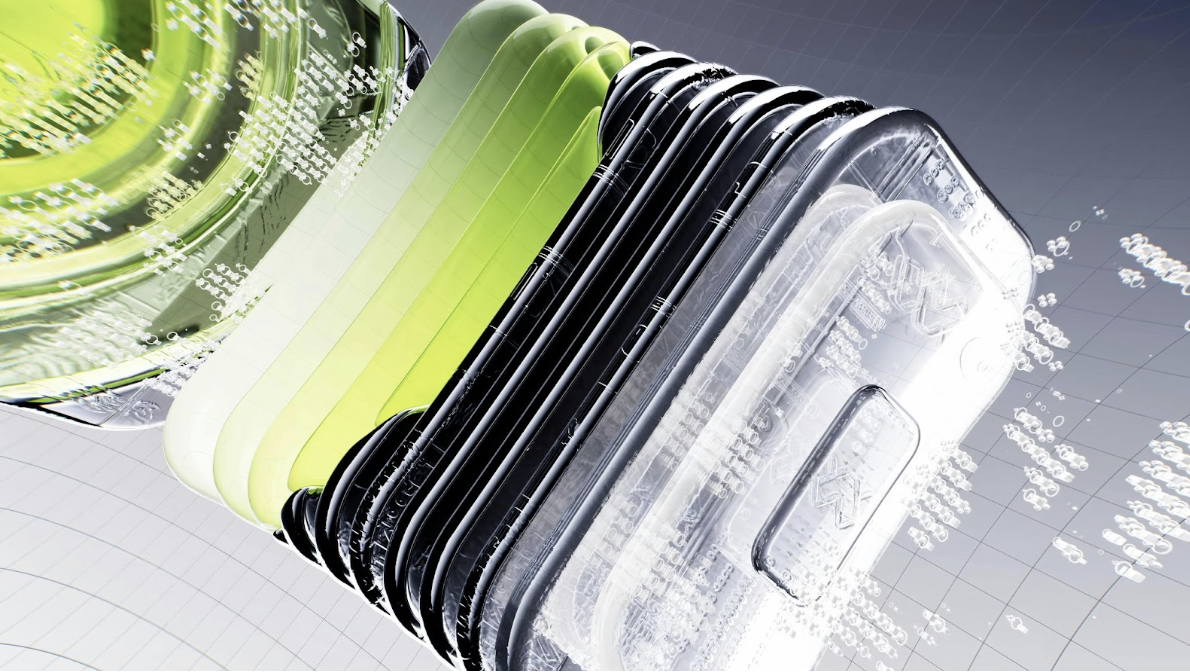
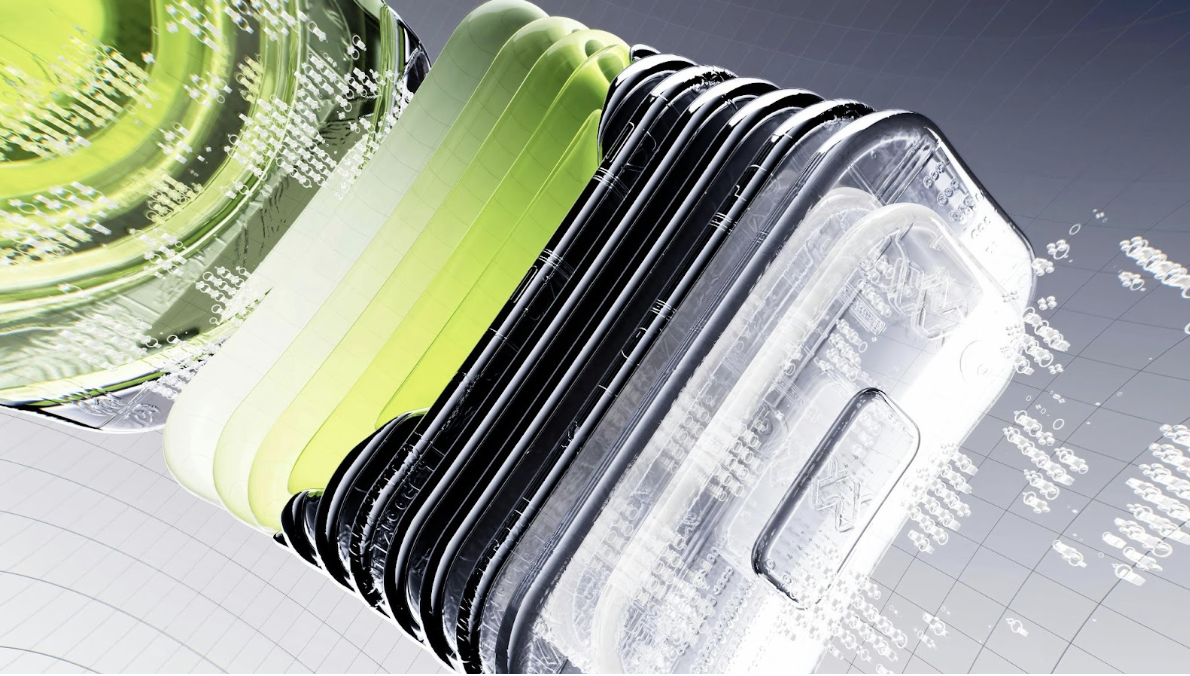
From Chat-GPT to Midjourney, artificial intelligence (AI) has flooded the online space with generated content, causing internet users to doubt the authenticity of digital content. While AI resources have proven their usefulness in optimizing work processes and increasing efficiency in certain industries, many users are more concerned about the originality of the content they consume. Artists, creatives, and writers point out the plagiaristic nature of AI, which learns from existing online content, including their own work.
The role of AI detectors for creatives
As digital authenticity is called into question with the rise of AI technologies, both creatives and regular users are increasingly turning to AI detectors as a means of protecting themselves online. The fact is that AI is becoming increasingly effective at mimicking human-created content, making humans less reliable in identifying AI-generated content on the fly. AI detectors are tools for identifying AI content, using the same AI technology for this purpose.
How does an AI detector work?
AI detectors are trained using the same technique as a regular AI generator, but with a completely different goal. Instead of using one large online dataset for growth and improvement, an AI detector is trained on both human-created content and AI-generated content to be able to distinguish the characteristics of both. Effectively, when presented with a piece of AI-generated content, an AI detector will determine if it is the type of content it would create.
AI-generated text detectors
Most AI detectors focus on AI-generated text, as models like ChatGPT are among the most common AI tools online. To differentiate between AI-generated and human-written text, an AI detector is trained on datasets of both types. This process allows the AI detector to detect features that best distinguish AI-generated text from human-written text. At this stage of technology, perplexity and burst are two main characteristics that an AI detector focuses on in this text.
Perplexity and burst
Perplexity refers to the predictability of word choice in the text. If a word is confusing or may hinder reader understanding, AI is more likely to avoid it in favor of simple and consistent word choices. The more repetitive and simple the word choices in the text, the more likely it was created by AI.
Burst is similar to perplexity, referring to the variation in sentence length and structure. People are more likely to change sentence length and structure than AI, which prefers simplified and consistent sentences. The more consistent the length and structure of a sentence, the more likely it was created by AI.
Plagiarism issues in AI-generated content
Of course, plagiarism is another important factor in determining whether a text was created by AI. Since AI-generated content is based on existing media, an AI tool is more likely to copy or directly replicate something that already exists. The AI detector from AI Detect LLC includes plagiarism checks, not only checking your own original content for plagiarism but also potentially identifying unreliable AI-generated content.
The plagiarism issue is closely related to AI-generated content, with many creatives expressing concerns about the unauthorized appropriation of their work. In fact, in recent years, lawsuits have been filed against AI art generators that could determine the future of both AI-generated and human art.
Promising first steps for creatives against AI
In August, US District Judge William Orrick found that Stable Diffusion, a tool used to create hyper-realistic images on demand, may be «largely built on copyrighted works», - with intent
The role of AI detectors for creatives
As digital authenticity is called into question with the rise of AI technologies, both creatives and regular users are increasingly turning to AI detectors as a means of protecting themselves online. The fact is that AI is becoming increasingly effective at mimicking human-created content, making humans less reliable in identifying AI-generated content on the fly. AI detectors are tools for identifying AI content, using the same AI technology for this purpose.
How does an AI detector work?
AI detectors are trained using the same technique as a regular AI generator, but with a completely different goal. Instead of using one large online dataset for growth and improvement, an AI detector is trained on both human-created content and AI-generated content to be able to distinguish the characteristics of both. Effectively, when presented with a piece of AI-generated content, an AI detector will determine if it is the type of content it would create.
AI-generated text detectors
Most AI detectors focus on AI-generated text, as models like ChatGPT are among the most common AI tools online. To differentiate between AI-generated and human-written text, an AI detector is trained on datasets of both types. This process allows the AI detector to detect features that best distinguish AI-generated text from human-written text. At this stage of technology, perplexity and burst are two main characteristics that an AI detector focuses on in this text.
Perplexity and burst
Perplexity refers to the predictability of word choice in the text. If a word is confusing or may hinder reader understanding, AI is more likely to avoid it in favor of simple and consistent word choices. The more repetitive and simple the word choices in the text, the more likely it was created by AI.
Burst is similar to perplexity, referring to the variation in sentence length and structure. People are more likely to change sentence length and structure than AI, which prefers simplified and consistent sentences. The more consistent the length and structure of a sentence, the more likely it was created by AI.
Plagiarism issues in AI-generated content
Of course, plagiarism is another important factor in determining whether a text was created by AI. Since AI-generated content is based on existing media, an AI tool is more likely to copy or directly replicate something that already exists. The AI detector from AI Detect LLC includes plagiarism checks, not only checking your own original content for plagiarism but also potentially identifying unreliable AI-generated content.
The plagiarism issue is closely related to AI-generated content, with many creatives expressing concerns about the unauthorized appropriation of their work. In fact, in recent years, lawsuits have been filed against AI art generators that could determine the future of both AI-generated and human art.
Promising first steps for creatives against AI
In August, US District Judge William Orrick found that Stable Diffusion, a tool used to create hyper-realistic images on demand, may be «largely built on copyrighted works», - with intent
© Kolganov Andrey