
American Academy of Pediatrics urges parents to understand teens' screen time content
16 october 2026 в 19:02
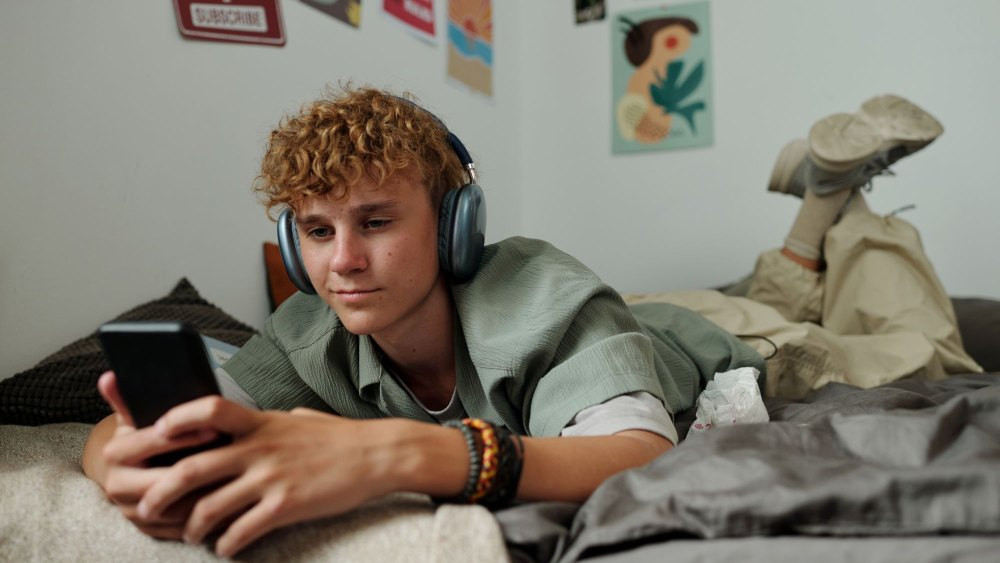
Recent research shows that the time teenagers spend in front of screens does not always reflect their online experience. Psychologist Hanna Shachter from Wayne State University argues that the content teenagers consume may be more significant than the total time spent online.
Studies indicate that active use of social media, such as communicating with friends, can be positive, while passive consumption of content related to social comparisons can lead to negative emotions. The American Academy of Pediatrics recommends that parents pay attention to what their children see online, how it affects their feelings, and whether it interferes with other important activities.
In 2024, a meta-analysis of 141 studies revealed that the relationship between active and passive social media use and adolescent well-being was minimal. This contradicts the common belief that one of these usage styles is always better than the other.
The American Academy of Pediatrics suggests that parents consider five aspects of media use: the child, the content, calmness, impact on other activities, and communication. This helps parents understand how digital experiences fit into their teenager’s life, including their mood and time left for other pursuits.
To reduce screen time, parents do not necessarily have to take away their children’s phones. Shachter advises approaching discussions about social media with curiosity rather than criticism, so teenagers are more open to communication. Setting practical boundaries, such as banning phone use before bedtime and allocating time for in-person interactions, can help establish healthier digital habits.
Studies indicate that active use of social media, such as communicating with friends, can be positive, while passive consumption of content related to social comparisons can lead to negative emotions. The American Academy of Pediatrics recommends that parents pay attention to what their children see online, how it affects their feelings, and whether it interferes with other important activities.
In 2024, a meta-analysis of 141 studies revealed that the relationship between active and passive social media use and adolescent well-being was minimal. This contradicts the common belief that one of these usage styles is always better than the other.
The American Academy of Pediatrics suggests that parents consider five aspects of media use: the child, the content, calmness, impact on other activities, and communication. This helps parents understand how digital experiences fit into their teenager’s life, including their mood and time left for other pursuits.
To reduce screen time, parents do not necessarily have to take away their children’s phones. Shachter advises approaching discussions about social media with curiosity rather than criticism, so teenagers are more open to communication. Setting practical boundaries, such as banning phone use before bedtime and allocating time for in-person interactions, can help establish healthier digital habits.
© Kolganov Andrey