Central Dalmatia: Croatia’s Summer Paradise Awaits Tourists
27 may 2026 в 21:37
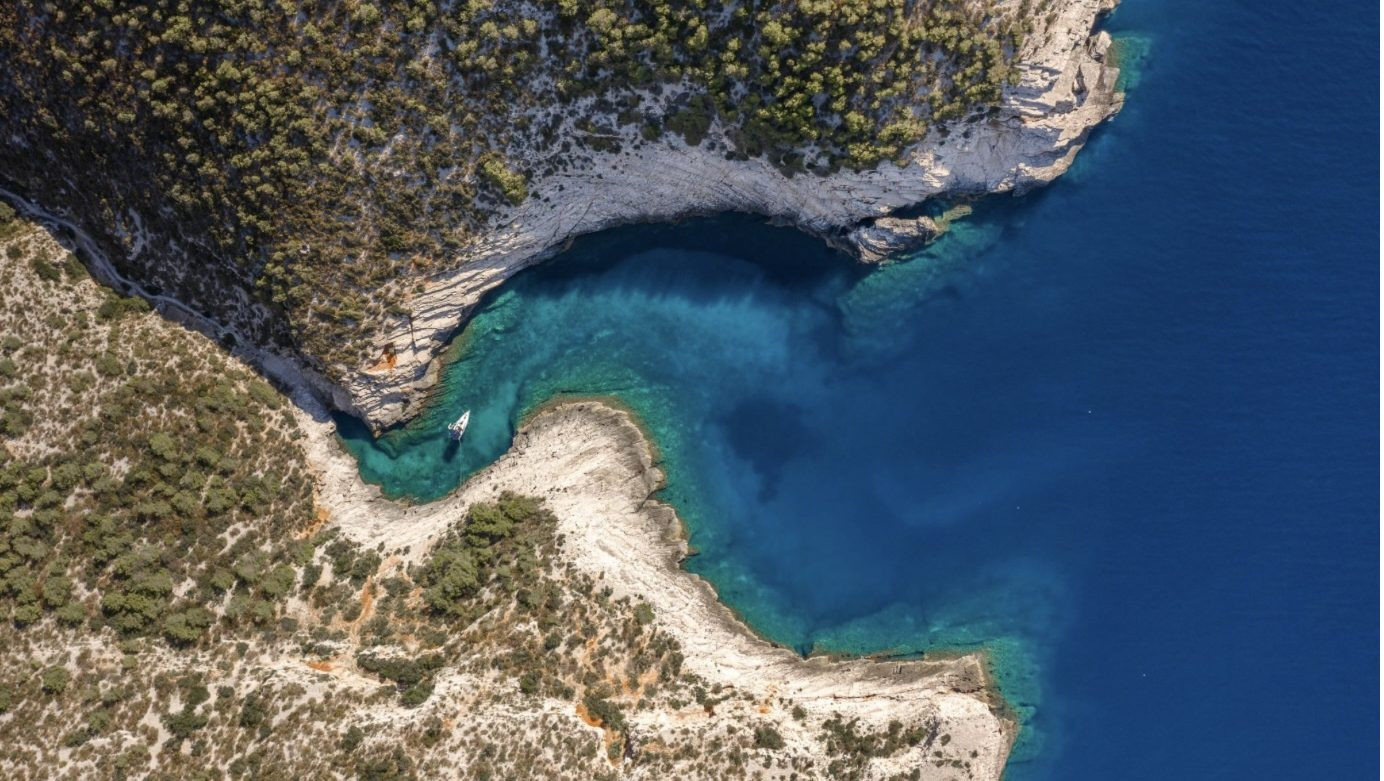
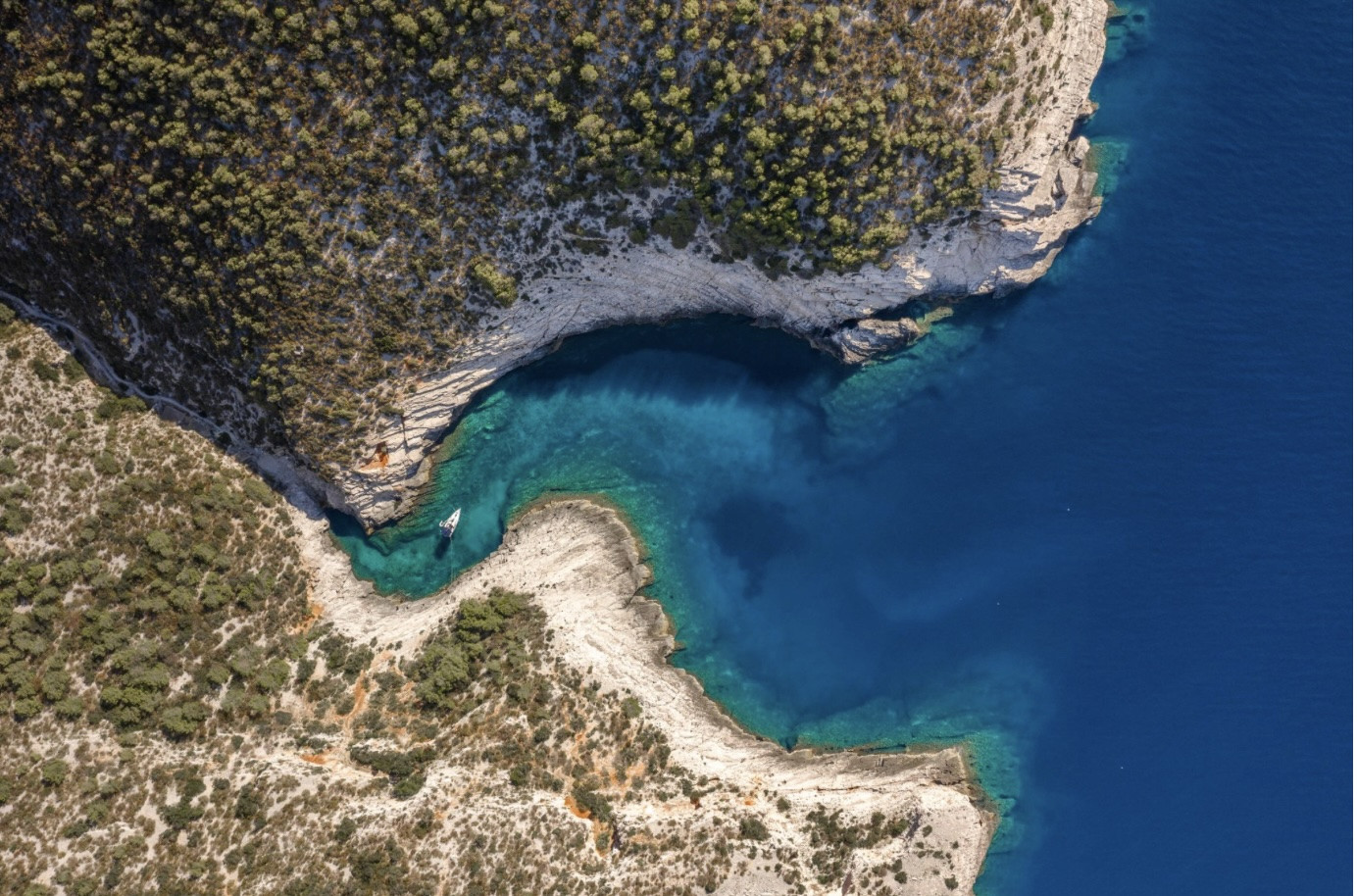
If your TikTok is filled with turquoise waters, boat parties, and sunset terraces that look unreal, you are likely looking at Central Dalmatia. Split. Hvar. Brač. This is the place that embodies the summer atmosphere of Europe, and it seems to be attracting more and more attention. The hashtag #CroatiaIsCalling is becoming increasingly popular, and those who have been coming here for years without tagging their location suddenly seem to be sharing much less.
Central Dalmatia in Croatia is experiencing its summer. And if you haven’t planned a trip yet, it might be time to reconsider your plans.
**Split: A City Living Inside a Roman Palace**
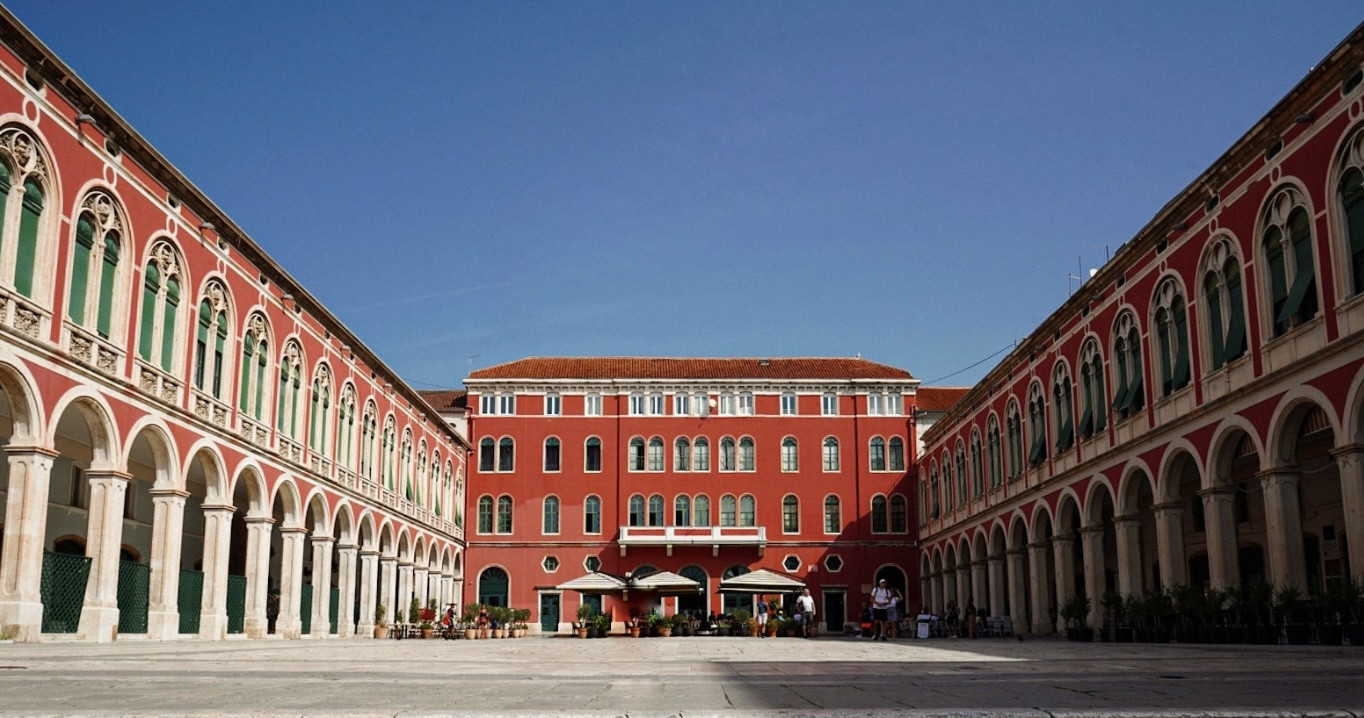
Your base will be Split, and this summer there are direct flights from New York. The second-largest city in Croatia is built within the palace of Diocletian. It’s no wonder this fortress of the 4th-century Roman emperor is called a living museum; from morning coffees to evening gatherings, life buzzes here among locals and tourists who simply want to enjoy their time. The only difference is that you do this surrounded by walls that are 1,700 years old. Upon first seeing this place, you might think you’ve stepped onto a page from Europe’s summer vibe. The promenade by the harbor is one of the most interesting places for people-watching in Europe, and sailing attracts an international crowd every summer, with fast catamarans departing for the islands daily.
Every July, Split also hosts Ultra Europe—one of the largest electronic music festivals in the world, drawing crowds from around the globe to a stadium located just minutes from the Roman ruins. The lineup is impressive, the crowd is beautiful, and the parties continue on ancient stone streets. There’s nothing like it in Europe.
**Hvar: The Island Where It All Began**
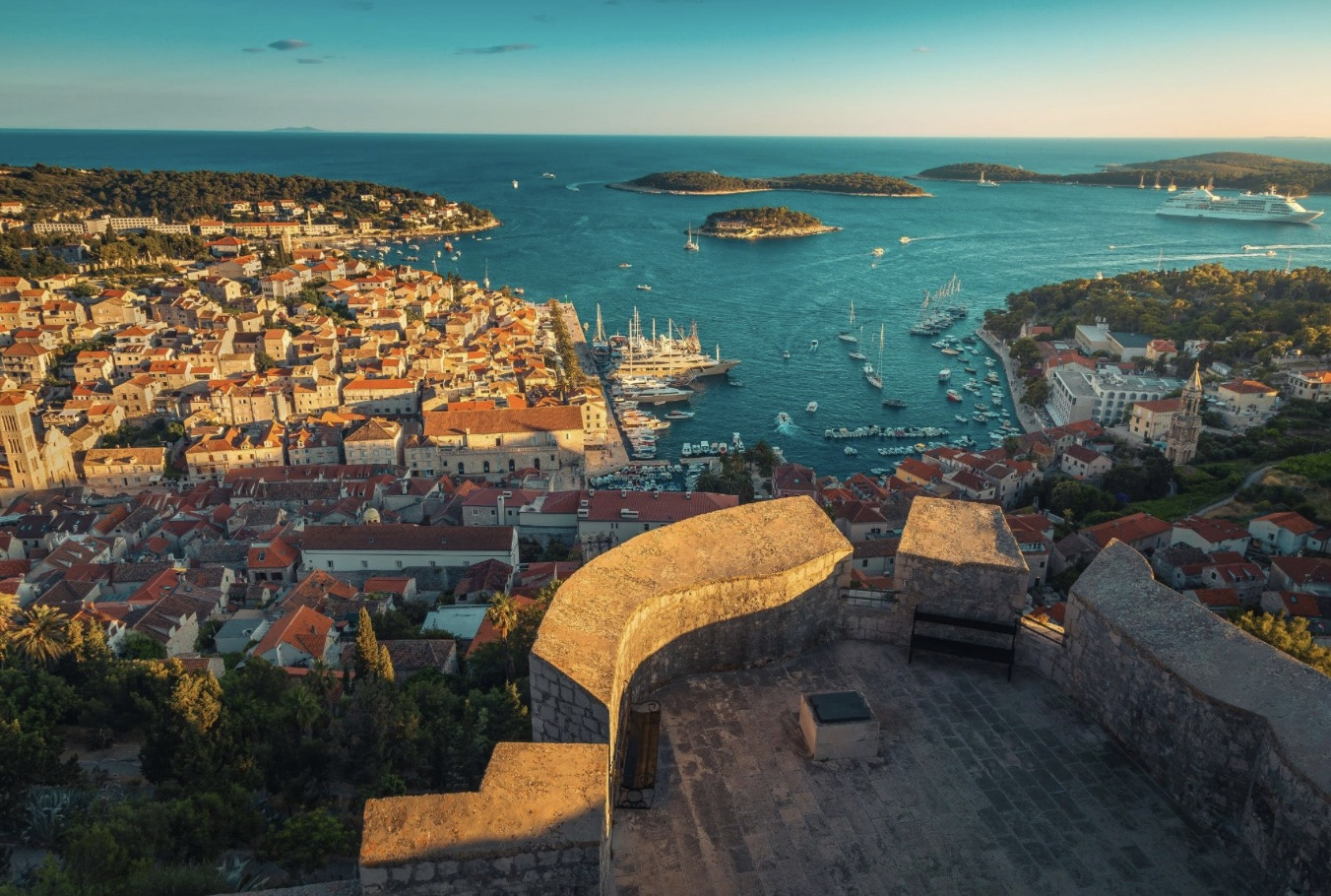
Hvar is the reason celebrities started coming to Croatia, and it continues to delight. With over 2,800 hours of sunshine a year, beach clubs, crystal-clear Adriatic waters, lavender fields, and a medieval old town that looks like a movie set, it’s a paradise. On the Pakleni Islands, just a short water taxi ride away, there’s a special beach that has become the spiritual home of Croatia’s summer club scene. The energy after sunset feels as if many places are trying to create it. Here, it’s part of everyday life.
**Brač: The Beach That Breaks the Internet**
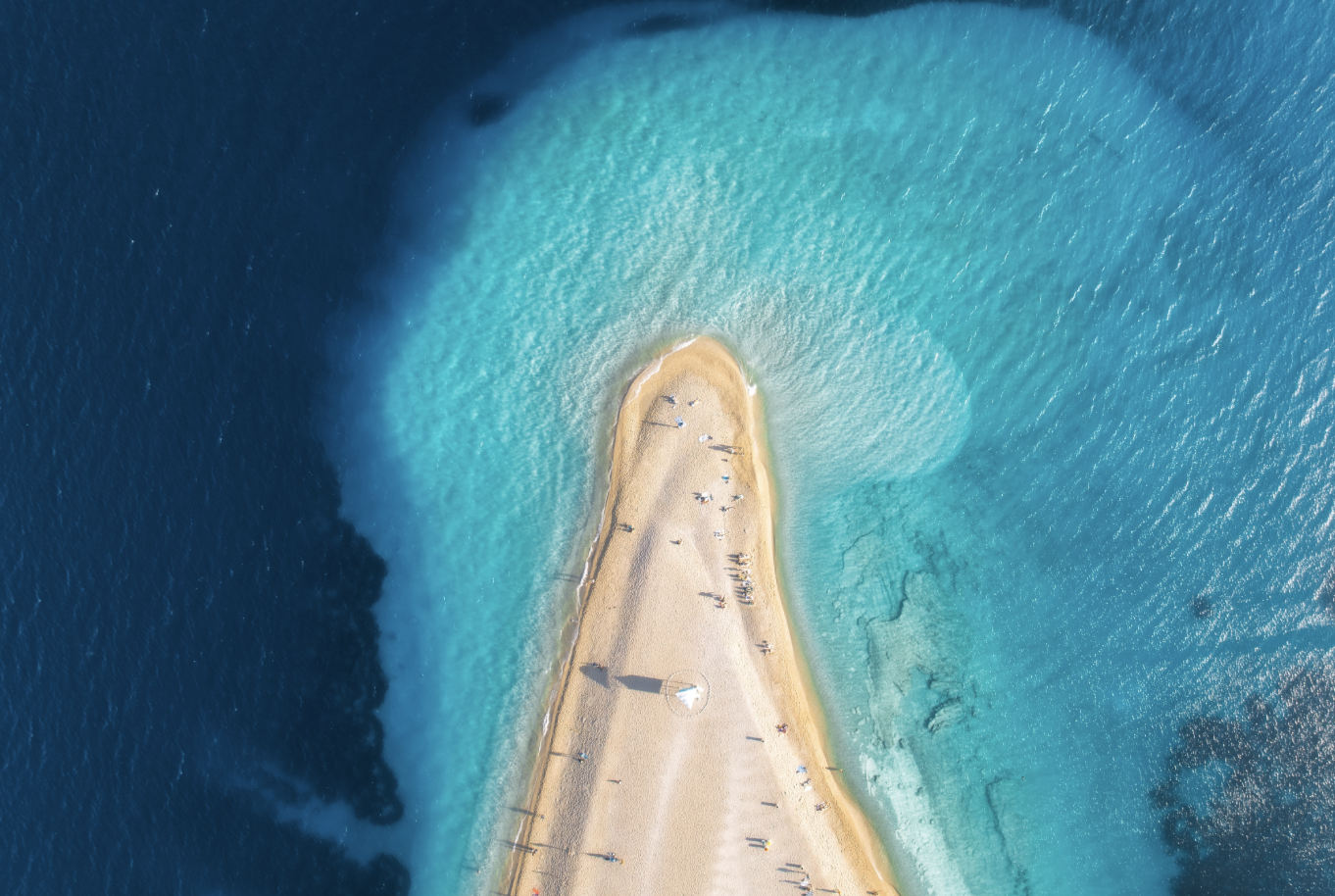
Next to Hvar is Brač, home to Zlatni Rat beach, which literally changes its shape depending on the currents, pointing toward the Adriatic as if sculpted. The landscape often looks polished and photo-ready, yet remains accessible and easy to enjoy. Vidova Gora, the highest point on any Adriatic island, towers above everything with views stretching across the entire archipelago. You hike to the top and then swim back down. A whole day is already planned.
Given the proximity of the islands, swimming between them is a must. In just a few days, you can visit almost everything: the history and entertainment of Hvar, the picturesque beaches of Brač and Vidova Gora, hidden coves on the island of Vis where you can dive for remnants of World War II or simply bask in the sun. The coastline is known for its clear waters. The food in small seaside restaurants—grilled fish, local olive oil, wine that actually has flavor—makes expensive Mediterranean resorts increasingly unjustifiable.
**Food**
Dalmatian cuisine is among the most delicious in the Mediterranean, and in 2027 it will become the next European Region of Gastronomy. But the best-kept secret is konobas. These small family-run restaurants, often located in bays and back streets, offer the best dishes of the trip. Fresh fish, grilled over wood and seasoned with local olive oil, garlic, and parsley. Black risotto made with cuttlefish ink, creamy and salty, unlike anything you’ve tasted before. Octopus, slow-cooked under a peka, a cast-iron lid that buries itself in hot coals for several hours. The wine is local, the bread is warm, and the views…
Central Dalmatia in Croatia is experiencing its summer. And if you haven’t planned a trip yet, it might be time to reconsider your plans.
**Split: A City Living Inside a Roman Palace**
Your base will be Split, and this summer there are direct flights from New York. The second-largest city in Croatia is built within the palace of Diocletian. It’s no wonder this fortress of the 4th-century Roman emperor is called a living museum; from morning coffees to evening gatherings, life buzzes here among locals and tourists who simply want to enjoy their time. The only difference is that you do this surrounded by walls that are 1,700 years old. Upon first seeing this place, you might think you’ve stepped onto a page from Europe’s summer vibe. The promenade by the harbor is one of the most interesting places for people-watching in Europe, and sailing attracts an international crowd every summer, with fast catamarans departing for the islands daily.
Every July, Split also hosts Ultra Europe—one of the largest electronic music festivals in the world, drawing crowds from around the globe to a stadium located just minutes from the Roman ruins. The lineup is impressive, the crowd is beautiful, and the parties continue on ancient stone streets. There’s nothing like it in Europe.
**Hvar: The Island Where It All Began**
Hvar is the reason celebrities started coming to Croatia, and it continues to delight. With over 2,800 hours of sunshine a year, beach clubs, crystal-clear Adriatic waters, lavender fields, and a medieval old town that looks like a movie set, it’s a paradise. On the Pakleni Islands, just a short water taxi ride away, there’s a special beach that has become the spiritual home of Croatia’s summer club scene. The energy after sunset feels as if many places are trying to create it. Here, it’s part of everyday life.
**Brač: The Beach That Breaks the Internet**
Next to Hvar is Brač, home to Zlatni Rat beach, which literally changes its shape depending on the currents, pointing toward the Adriatic as if sculpted. The landscape often looks polished and photo-ready, yet remains accessible and easy to enjoy. Vidova Gora, the highest point on any Adriatic island, towers above everything with views stretching across the entire archipelago. You hike to the top and then swim back down. A whole day is already planned.
Given the proximity of the islands, swimming between them is a must. In just a few days, you can visit almost everything: the history and entertainment of Hvar, the picturesque beaches of Brač and Vidova Gora, hidden coves on the island of Vis where you can dive for remnants of World War II or simply bask in the sun. The coastline is known for its clear waters. The food in small seaside restaurants—grilled fish, local olive oil, wine that actually has flavor—makes expensive Mediterranean resorts increasingly unjustifiable.
**Food**
Dalmatian cuisine is among the most delicious in the Mediterranean, and in 2027 it will become the next European Region of Gastronomy. But the best-kept secret is konobas. These small family-run restaurants, often located in bays and back streets, offer the best dishes of the trip. Fresh fish, grilled over wood and seasoned with local olive oil, garlic, and parsley. Black risotto made with cuttlefish ink, creamy and salty, unlike anything you’ve tasted before. Octopus, slow-cooked under a peka, a cast-iron lid that buries itself in hot coals for several hours. The wine is local, the bread is warm, and the views…
© Zhinobaeva Margarita