Colossal Biosciences celebrates a huge victory: the resurrection of the director
8 april 2025 в 23:37
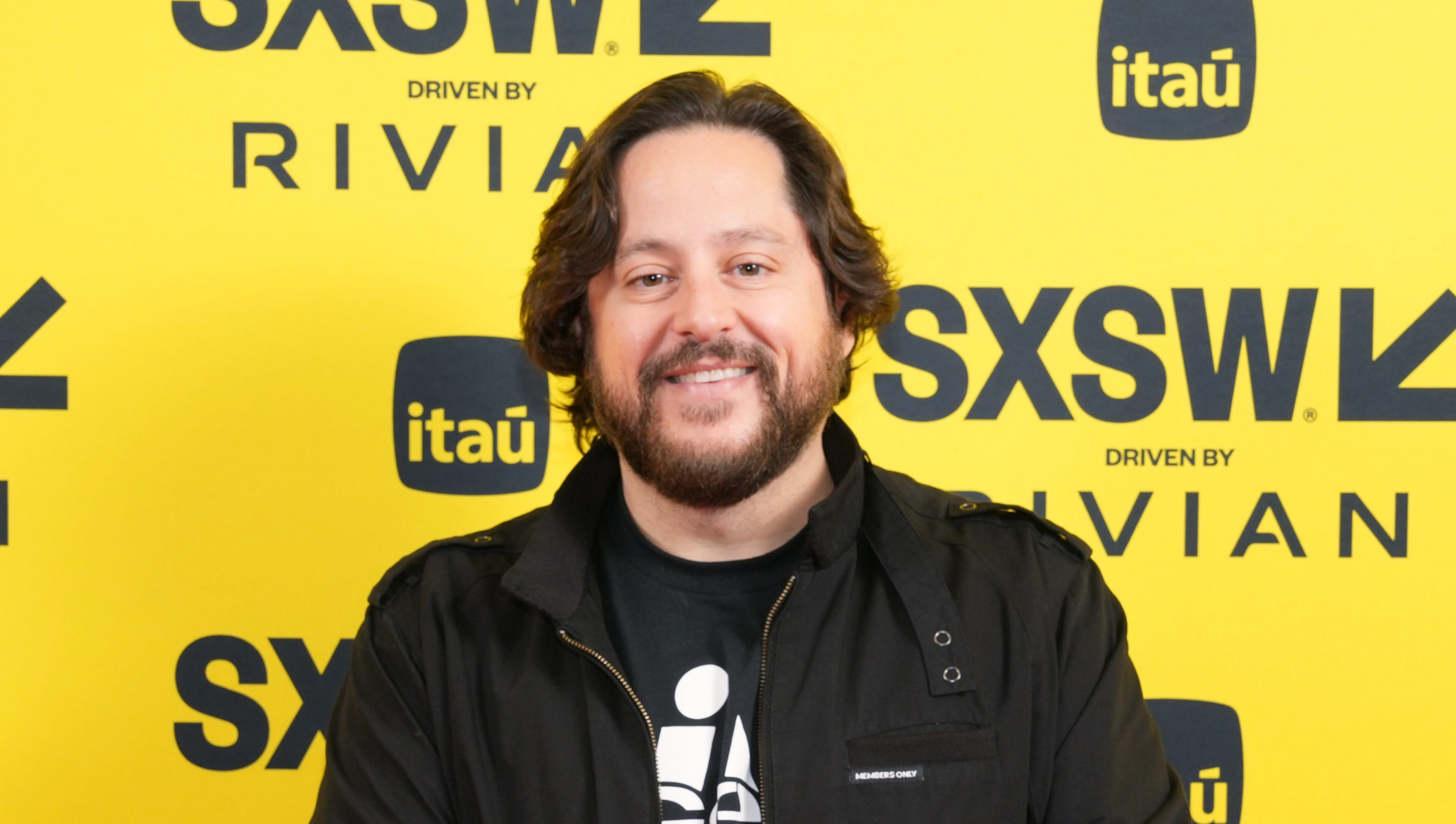
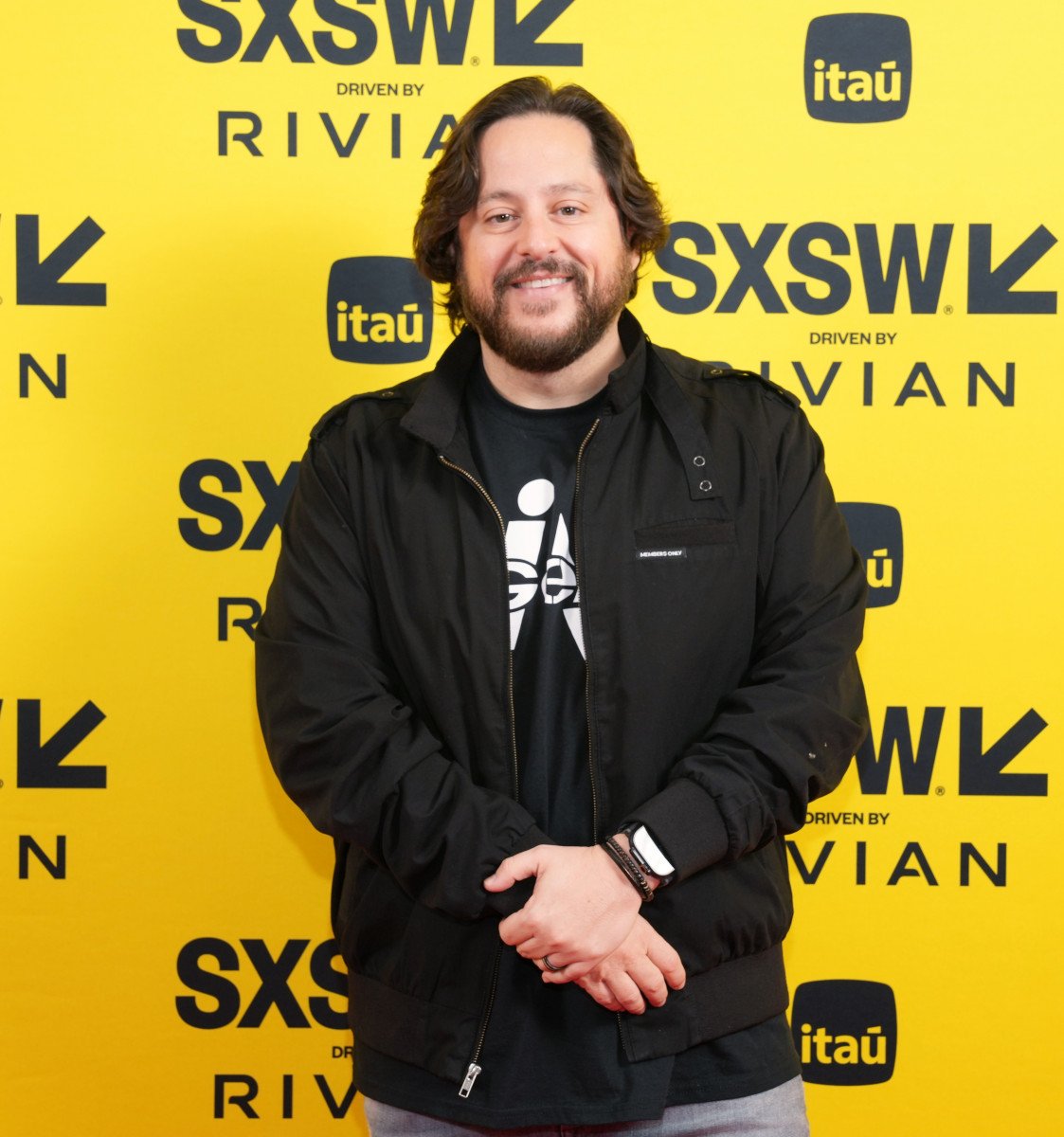
Colossal Biosciences celebrates a huge victory. The biotechnology and engineering company from Texas successfully managed to bring back to life the dire wolf, a dog species that went extinct thousands of years ago. Some people may recognize the dire wolf from the TV series «Game of Thrones». As more and more people learn about the process of bringing back to life and about dire wolves, Colossal Biosciences CEO Ben Lamm has helped shed light on this achievement.
Below, you will learn more about Lamm and the dire wolf resurrection by his company.
According to a press release from Colossal, the company:
Lamm is the CEO and co-founder of Colossal Biosciences. The entrepreneur and billionaire has appeared at countless public events to promote his company’s quest to bring back several species to life. Speaking about dire wolves, Lamm said he «couldn't be prouder of the team» at Colossal.
According to an April 2025 press release, Lamm added: «This monumental milestone is the first of many examples demonstrating that our resurrection technology works from start to finish. Our team took DNA from a 13,000-year-old tooth and a 72,000-year-old skull and created healthy dire wolf pups. It was once said: 'Any sufficiently advanced technology is indistinguishable from magic'. Today, our team can present some of that magic they’ve been working on and its broader impact on nature conservation».
George Church is an experienced geneticist and co-founder of Colossal Biosciences. According to the company’s 2025 press release, Church said: «Preserving, expanding, and testing genetic diversity must be done long before important animal species, like the red wolf, are lost. Another source of ecosystem diversity is our new technologies for bringing back lost genes, including deep sequencing of ancient DNA, analysis of polyphyletic traits, multiplex editing of germ cells, and cloning. The dire wolf is an early example of this, with the highest number of precise genomic changes in a healthy vertebrate to date. The potential is growing exponentially»
Below, you will learn more about Lamm and the dire wolf resurrection by his company.
According to a press release from Colossal, the company:
Lamm is the CEO and co-founder of Colossal Biosciences. The entrepreneur and billionaire has appeared at countless public events to promote his company’s quest to bring back several species to life. Speaking about dire wolves, Lamm said he «couldn't be prouder of the team» at Colossal.
According to an April 2025 press release, Lamm added: «This monumental milestone is the first of many examples demonstrating that our resurrection technology works from start to finish. Our team took DNA from a 13,000-year-old tooth and a 72,000-year-old skull and created healthy dire wolf pups. It was once said: 'Any sufficiently advanced technology is indistinguishable from magic'. Today, our team can present some of that magic they’ve been working on and its broader impact on nature conservation».
George Church is an experienced geneticist and co-founder of Colossal Biosciences. According to the company’s 2025 press release, Church said: «Preserving, expanding, and testing genetic diversity must be done long before important animal species, like the red wolf, are lost. Another source of ecosystem diversity is our new technologies for bringing back lost genes, including deep sequencing of ancient DNA, analysis of polyphyletic traits, multiplex editing of germ cells, and cloning. The dire wolf is an early example of this, with the highest number of precise genomic changes in a healthy vertebrate to date. The potential is growing exponentially»
© Kolganov Andrey