Eva Longoria and Tony Parker: How to Survive Infidelity and Forgive
17 june 2026 в 16:37


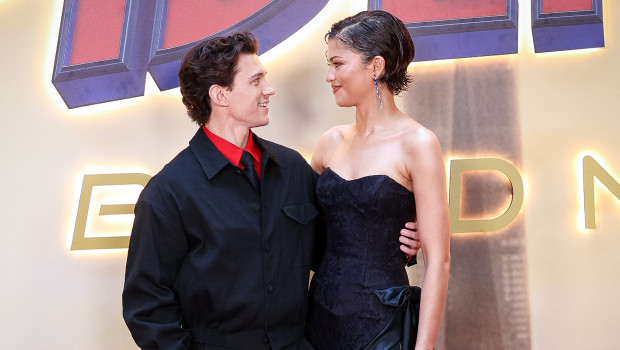
Eva Longoria just took a photo with Tony Parker. Smiling. Easily. Fifteen years have passed since she filed for divorce, citing his alleged infidelity with a teammate’s wife.
The internet reacted as it tends to do. «Adulting». «Iconic ex-couples». «Why can’t my divorced parents do this?»
And yes, the photo is beautiful. But I want to slow down this moment. Because what you see—two people standing next to each other without the tension of betrayal—is not just a coincidence. That smile took many years to achieve. Probably tears you will never see. Conversations neither of them will ever publish.
So before we proclaim them patrons of grace after divorce, let’s talk about what it actually takes to move from «you cheated on me on a national stage» to «yes, let’s take a photo».
In my office, I talk about infidelity the way I would talk about a broken window. Glass on the floor, and everyone is curious about who threw the stone. But the real damage is that the room is no longer safe. The wind seeps in. The temperature drops.
From an attachment perspective, infidelity introduces a third party into the primary bond. Your nervous system, when you are in a couple, is based on two beliefs: «I am a priority for you» and «I am good enough for you». Infidelity tells the body of the faithful partner the opposite: «You are not my priority» and «You are not enough».
That’s why the faithful partner cannot just «get over it». They lose their reality. They look back at the last vacation, the last anniversary, the last «I love you» whispered in the dark, and wonder what was real. It’s a kind of psychological vertigo.
And here’s what never makes the gossip headlines. Infidelity is almost never just one betrayal. It’s six or seven betrayals packed into one common word. You weren’t there for me. You didn’t think about my feelings. You lied to my face. You made me feel foolish in front of our friends. You manipulated me when I asked. And of course, you slept with someone else. Each of these betrayals requires its own conversation. Its own grief. If you want to understand how these layers stack up, it’s the science of how emotional infidelity differs from physical betrayal and why both explode the same nervous system.
Here’s what I see constantly. A couple comes in two, three, five years after infidelity. They stayed together. They «did the work». They’re doing well. And then every few weeks—a blow-up.
She reacts. He’s late. He tilts his phone away during dinner. Suddenly she’s back in 2009, asking questions, checking for evidence. And he, the one who cheated, rolls his eyes. Sighs. Slouches in his chair. «Oh god, are we discussing this again? I’ve apologized a thousand times».
That eye-rolling gesture is the moment when most couples fall apart. Years later.
He thinks she will never let it go. She thinks he will never understand. Both are exhausted. Both are right in some ways, and that makes the situation cruel. If you want to know where you stand in your version of this pattern, you can figure out your relationship pattern in a few minutes.
The reason couples like Eva and Tony can stand next to each other, smiling, while other couples are still yelling in the kitchen at 11 PM, is not about who is «more mature». It’s about whether someone at some point was able to stop trying to avoid the hard part.
I’ll say something unpopular. We need to find space for empathy for the partner who cheated. Yes, even for them.
When I slow down the moment of eye-rolling in a session, I don’t see a jerk. I see a person who is scared. When she brings up the topic of infidelity, his nervous system doesn’t hear «I'm hurt, and I need you». It hears «You're bad. You will always be bad. You will never escape this». The eye-roll is not arrogance. It’s desperation. The collapse of a person who feels like they are serving a life sentence.
And when I look at the faithful partner, I don’t see a woman trying to punish him. I see a woman whose body just…
The internet reacted as it tends to do. «Adulting». «Iconic ex-couples». «Why can’t my divorced parents do this?»
And yes, the photo is beautiful. But I want to slow down this moment. Because what you see—two people standing next to each other without the tension of betrayal—is not just a coincidence. That smile took many years to achieve. Probably tears you will never see. Conversations neither of them will ever publish.
So before we proclaim them patrons of grace after divorce, let’s talk about what it actually takes to move from «you cheated on me on a national stage» to «yes, let’s take a photo».
In my office, I talk about infidelity the way I would talk about a broken window. Glass on the floor, and everyone is curious about who threw the stone. But the real damage is that the room is no longer safe. The wind seeps in. The temperature drops.
From an attachment perspective, infidelity introduces a third party into the primary bond. Your nervous system, when you are in a couple, is based on two beliefs: «I am a priority for you» and «I am good enough for you». Infidelity tells the body of the faithful partner the opposite: «You are not my priority» and «You are not enough».
That’s why the faithful partner cannot just «get over it». They lose their reality. They look back at the last vacation, the last anniversary, the last «I love you» whispered in the dark, and wonder what was real. It’s a kind of psychological vertigo.
And here’s what never makes the gossip headlines. Infidelity is almost never just one betrayal. It’s six or seven betrayals packed into one common word. You weren’t there for me. You didn’t think about my feelings. You lied to my face. You made me feel foolish in front of our friends. You manipulated me when I asked. And of course, you slept with someone else. Each of these betrayals requires its own conversation. Its own grief. If you want to understand how these layers stack up, it’s the science of how emotional infidelity differs from physical betrayal and why both explode the same nervous system.
Here’s what I see constantly. A couple comes in two, three, five years after infidelity. They stayed together. They «did the work». They’re doing well. And then every few weeks—a blow-up.
She reacts. He’s late. He tilts his phone away during dinner. Suddenly she’s back in 2009, asking questions, checking for evidence. And he, the one who cheated, rolls his eyes. Sighs. Slouches in his chair. «Oh god, are we discussing this again? I’ve apologized a thousand times».
That eye-rolling gesture is the moment when most couples fall apart. Years later.
He thinks she will never let it go. She thinks he will never understand. Both are exhausted. Both are right in some ways, and that makes the situation cruel. If you want to know where you stand in your version of this pattern, you can figure out your relationship pattern in a few minutes.
The reason couples like Eva and Tony can stand next to each other, smiling, while other couples are still yelling in the kitchen at 11 PM, is not about who is «more mature». It’s about whether someone at some point was able to stop trying to avoid the hard part.
I’ll say something unpopular. We need to find space for empathy for the partner who cheated. Yes, even for them.
When I slow down the moment of eye-rolling in a session, I don’t see a jerk. I see a person who is scared. When she brings up the topic of infidelity, his nervous system doesn’t hear «I'm hurt, and I need you». It hears «You're bad. You will always be bad. You will never escape this». The eye-roll is not arrogance. It’s desperation. The collapse of a person who feels like they are serving a life sentence.
And when I look at the faithful partner, I don’t see a woman trying to punish him. I see a woman whose body just…
© Smirnova Olga