«Guillermo del Toro’s film 'Frankenstein': comparison with Shelley’s book»
10 november 2025 в 19:37

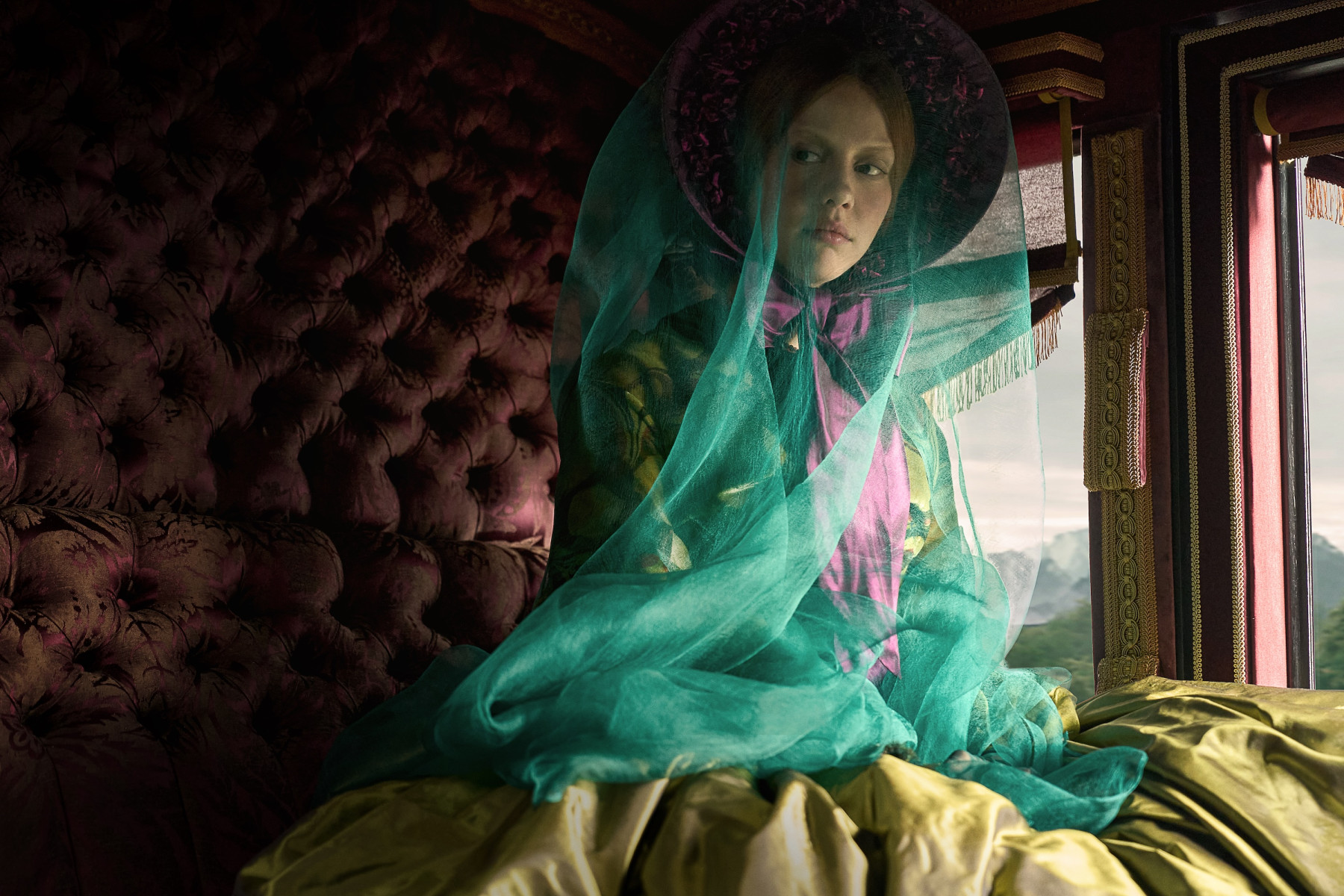
Halloween may be behind us, but Guillermo del Toro has resurrected one of literature’s most famous monsters. His latest film for Netflix, «Frankenstein», - which, as he emphasized, is not a horror film, has been in the works for many years, and he captivated the audience with his reverence for Mary Shelley’s original novel. But how does the film compare to the 1818 book?
Preparing for the release of his film, Del Toro said that Shelley’s work was his «Bible», - but he «wanted to make it his own, to interpret it differently with different emotions», - the Netflix director told Tudum. «Mary Shelley’s masterpiece is full of questions that burn brightly in my soul: existential, tender, fierce, doomed questions that only burn in a young mind, and only adults and institutions believe they can answer them».
Most modern adaptations of classic 19th-century works emphasize the old era, which Del Toro did not want. «When [Shelley] wrote Frankenstein, it was not a historical picture. It was a modern book, so I didn’t want you to see a pastel-colored historical picture», - explained the director.
Here, Hollywood Life compares Del Toro’s film to Shelley’s original Frankenstein novel.
Victor’s father, Alphonse, in the book is a loving and generous father to Victor, and he dies of grief.
However, in the film, Victor’s father is a cruel doctor named Baron Leopold Frankenstein, who practically hates his eldest son and his wife, Baroness Claire Frankenstein. Leopold instills in Victor that he must uphold his legacy as a Frankenstein and raises him as a surgeon.
Victor’s mother in the book is named Caroline, and she dies of scarlet fever. In the film, the mother’s name is Baroness Claire Frankenstein, and she dies a violent death while giving birth to her second son, William.
The character of Elizabeth is another figure in Shelley’s work and in Del Toro’s film. In the book, she is called Elizabeth Lavenza, Victor’s childhood friend, to whom he is engaged.
In the film, the character is called Lady Elizabeth Harlander, and she is engaged to Victor’s younger brother, William. She and Victor develop a playful bond due to their shared love of science, but she ultimately rejects Victor’s romantic advances and sympathizes with the Creature.
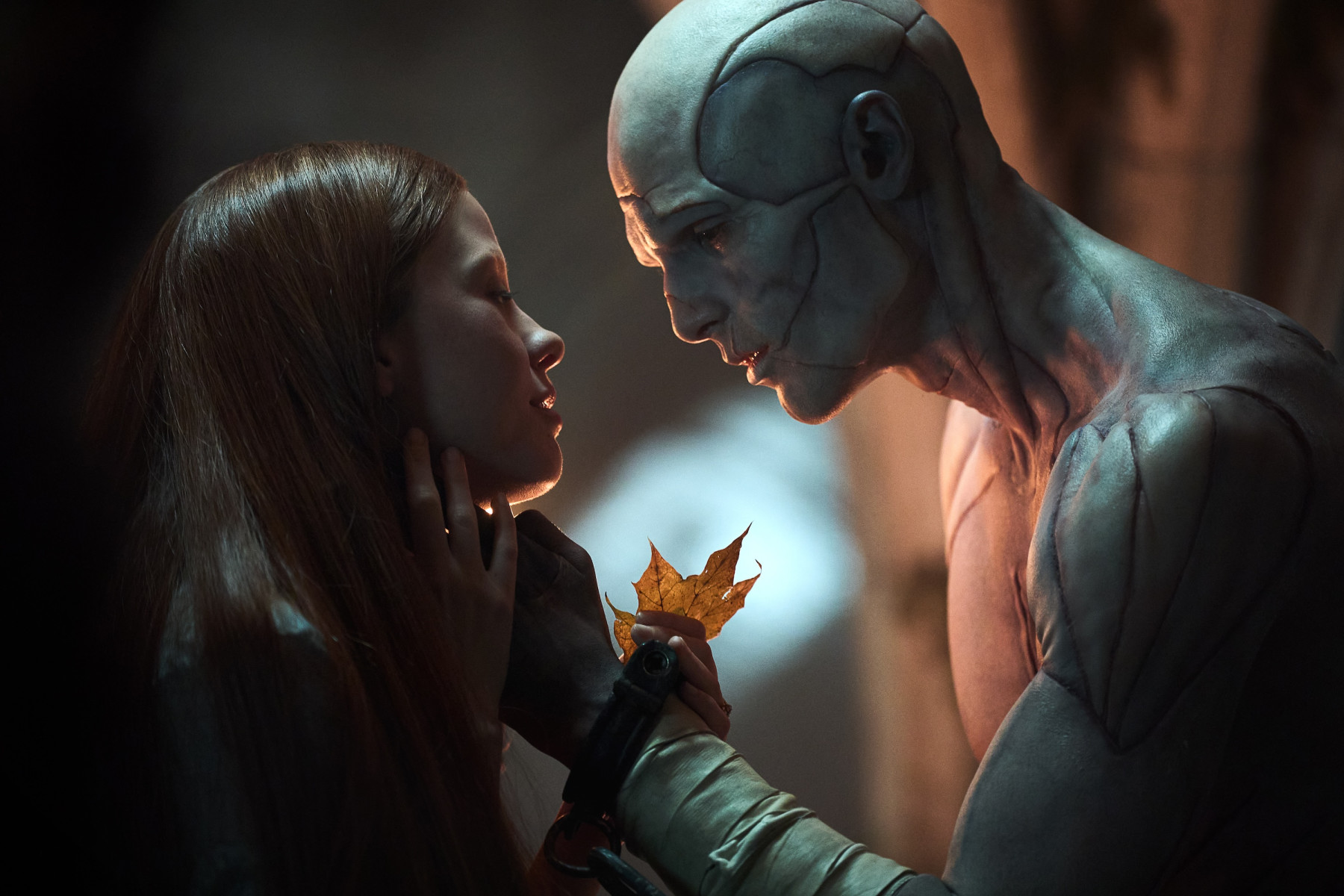
Elizabeth’s wedding night in the book is very different from that in the film. In the film, the focus is on Victor’s own monstrous and impulsive ego when he finds Elizabeth and the Creature talking on her wedding night. Victor insists that she flee from the Creature as he prepares to shoot it, but Elizabeth gets shot in the chest. She dies at the hands of Victor as the Creature carries her to a cave-like grave.
In the book, the Creature kills Elizabeth as a revenge against Victor. He strangles her on their wedding night.
In Shelley’s novel, the Creature asks Victor to build him a female companion, to which the scientist agrees. However, Victor begins to worry about the possibility of his female creation reproducing. Therefore, he destroys her.
In the film, Victor quickly rejects his creation’s request and expresses his contempt for the female creation’s ability to reproduce. The production of the female companion never begins in the film.
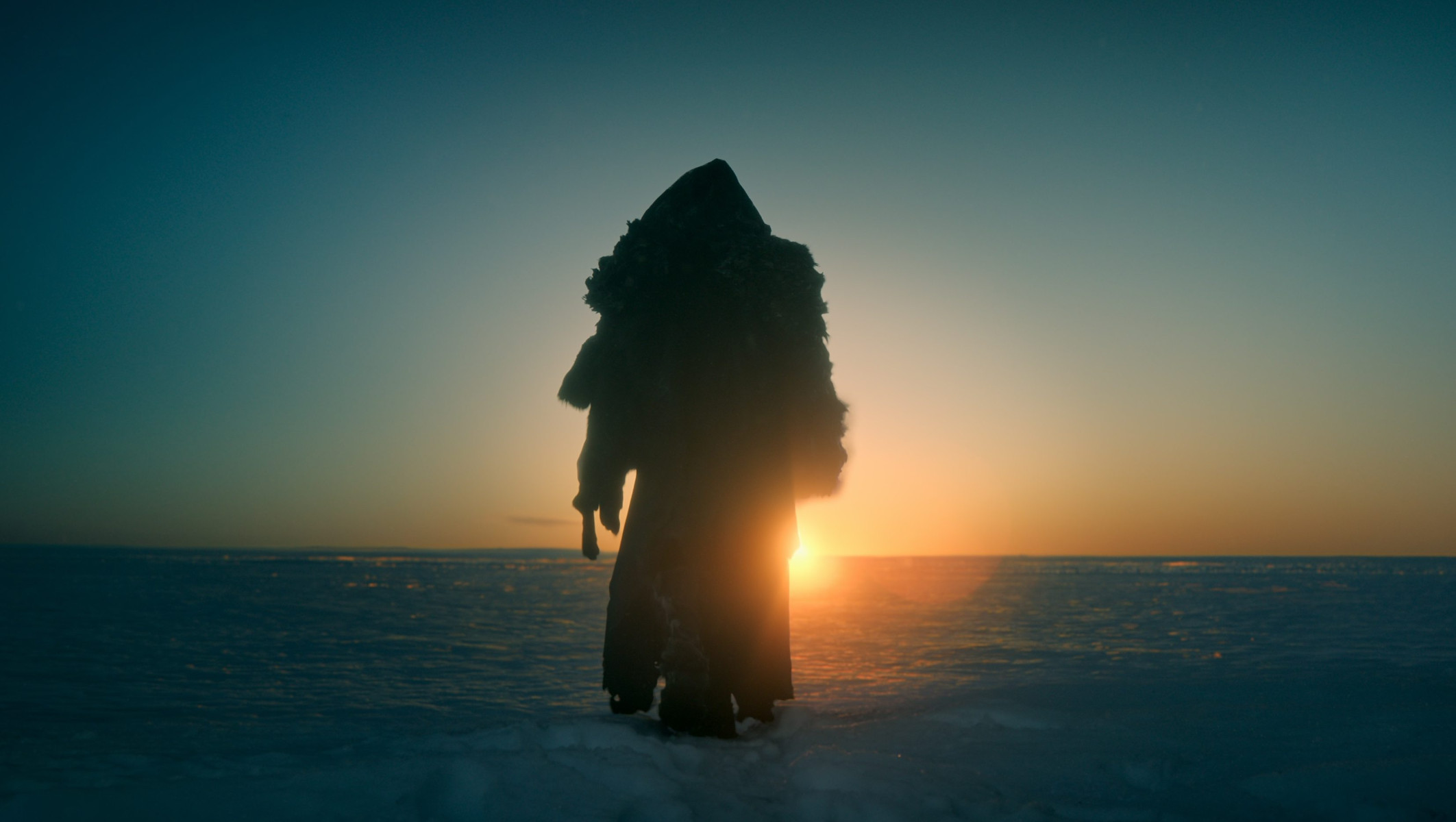
In the end of the novel, the Creature encounters an expedition of soldiers sailing through the frozen Arctic (similar to the film) and tells their captain of his intention to burn himself. It is unknown whether he will carry out his death, but at the end of the book, he is not dead.
In the film, the Creature cannot die. He cannot be burned, cut, or shot. His fate remains uncertain as he leaves for the Arctic alone after helping the crew of soldiers return home
Preparing for the release of his film, Del Toro said that Shelley’s work was his «Bible», - but he «wanted to make it his own, to interpret it differently with different emotions», - the Netflix director told Tudum. «Mary Shelley’s masterpiece is full of questions that burn brightly in my soul: existential, tender, fierce, doomed questions that only burn in a young mind, and only adults and institutions believe they can answer them».
Most modern adaptations of classic 19th-century works emphasize the old era, which Del Toro did not want. «When [Shelley] wrote Frankenstein, it was not a historical picture. It was a modern book, so I didn’t want you to see a pastel-colored historical picture», - explained the director.
Here, Hollywood Life compares Del Toro’s film to Shelley’s original Frankenstein novel.
Victor’s father, Alphonse, in the book is a loving and generous father to Victor, and he dies of grief.
However, in the film, Victor’s father is a cruel doctor named Baron Leopold Frankenstein, who practically hates his eldest son and his wife, Baroness Claire Frankenstein. Leopold instills in Victor that he must uphold his legacy as a Frankenstein and raises him as a surgeon.
Victor’s mother in the book is named Caroline, and she dies of scarlet fever. In the film, the mother’s name is Baroness Claire Frankenstein, and she dies a violent death while giving birth to her second son, William.
The character of Elizabeth is another figure in Shelley’s work and in Del Toro’s film. In the book, she is called Elizabeth Lavenza, Victor’s childhood friend, to whom he is engaged.
In the film, the character is called Lady Elizabeth Harlander, and she is engaged to Victor’s younger brother, William. She and Victor develop a playful bond due to their shared love of science, but she ultimately rejects Victor’s romantic advances and sympathizes with the Creature.
Elizabeth’s wedding night in the book is very different from that in the film. In the film, the focus is on Victor’s own monstrous and impulsive ego when he finds Elizabeth and the Creature talking on her wedding night. Victor insists that she flee from the Creature as he prepares to shoot it, but Elizabeth gets shot in the chest. She dies at the hands of Victor as the Creature carries her to a cave-like grave.
In the book, the Creature kills Elizabeth as a revenge against Victor. He strangles her on their wedding night.
In Shelley’s novel, the Creature asks Victor to build him a female companion, to which the scientist agrees. However, Victor begins to worry about the possibility of his female creation reproducing. Therefore, he destroys her.
In the film, Victor quickly rejects his creation’s request and expresses his contempt for the female creation’s ability to reproduce. The production of the female companion never begins in the film.
In the end of the novel, the Creature encounters an expedition of soldiers sailing through the frozen Arctic (similar to the film) and tells their captain of his intention to burn himself. It is unknown whether he will carry out his death, but at the end of the book, he is not dead.
In the film, the Creature cannot die. He cannot be burned, cut, or shot. His fate remains uncertain as he leaves for the Arctic alone after helping the crew of soldiers return home
© Smirnova Olga