The translation of the text is: «Cities are growing, nature is becoming an important part of life»
17 february 2026 в 04:13
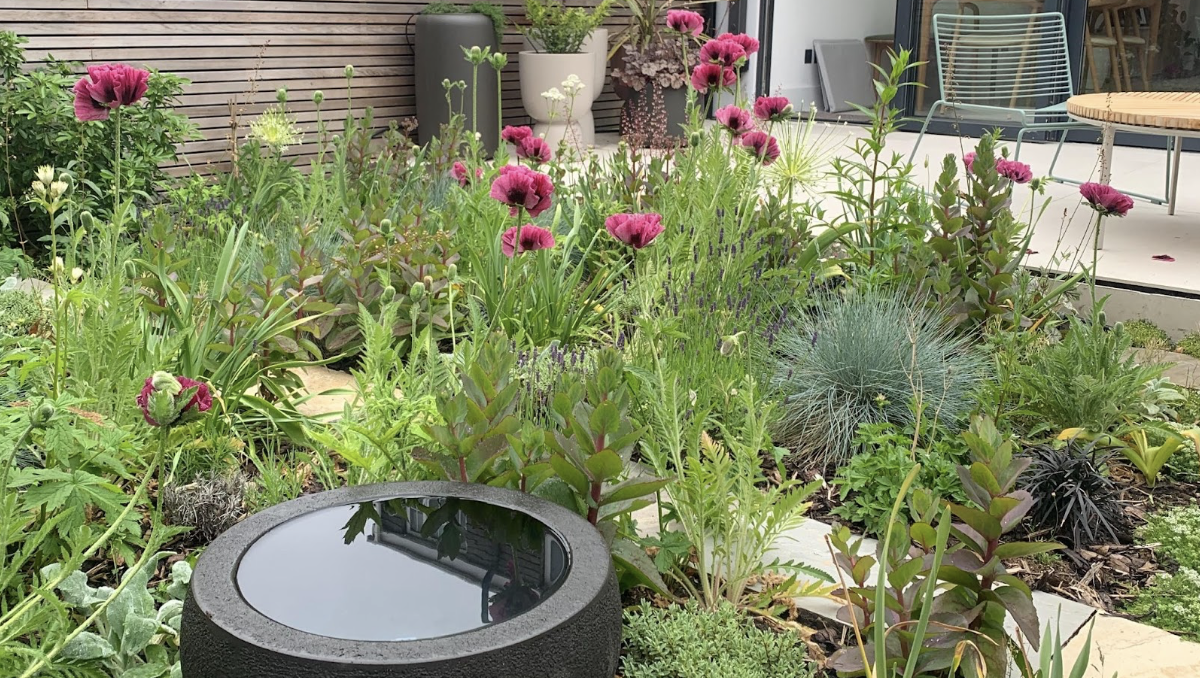
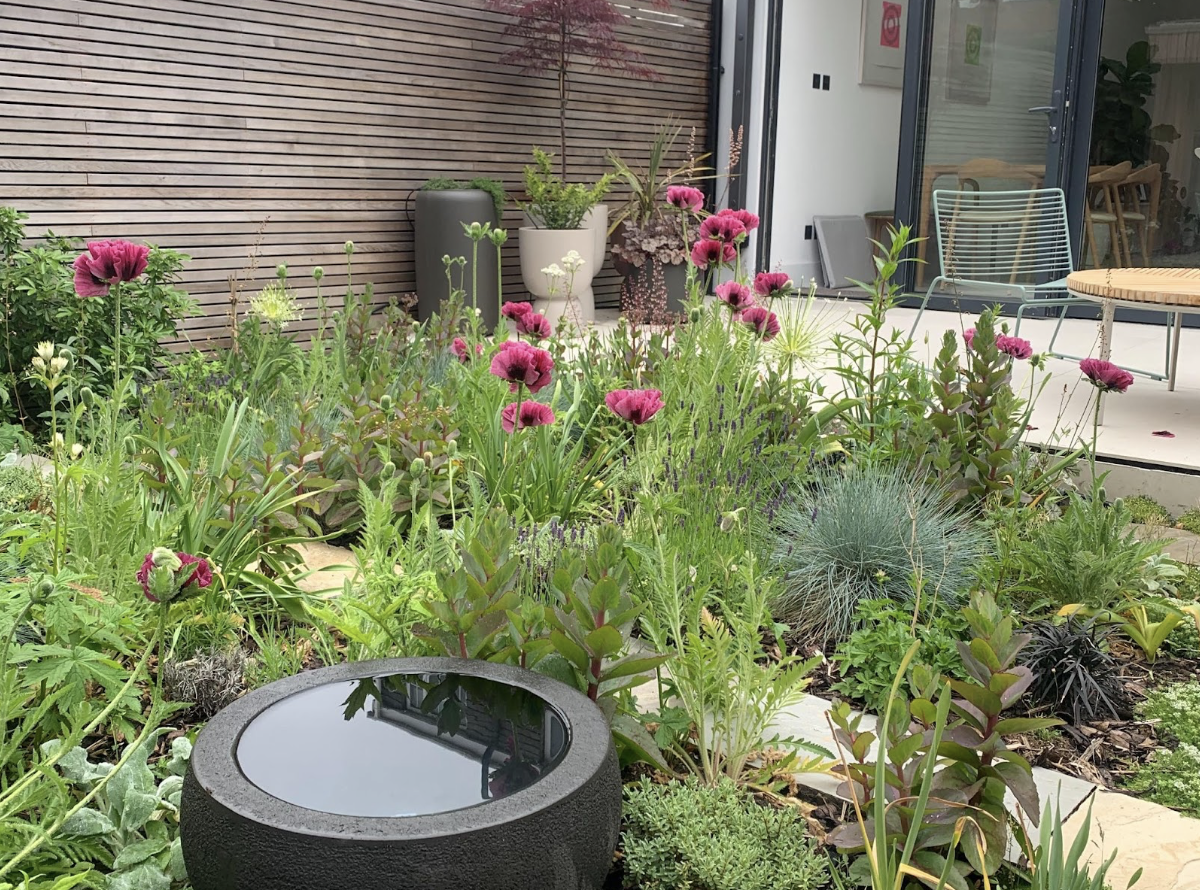
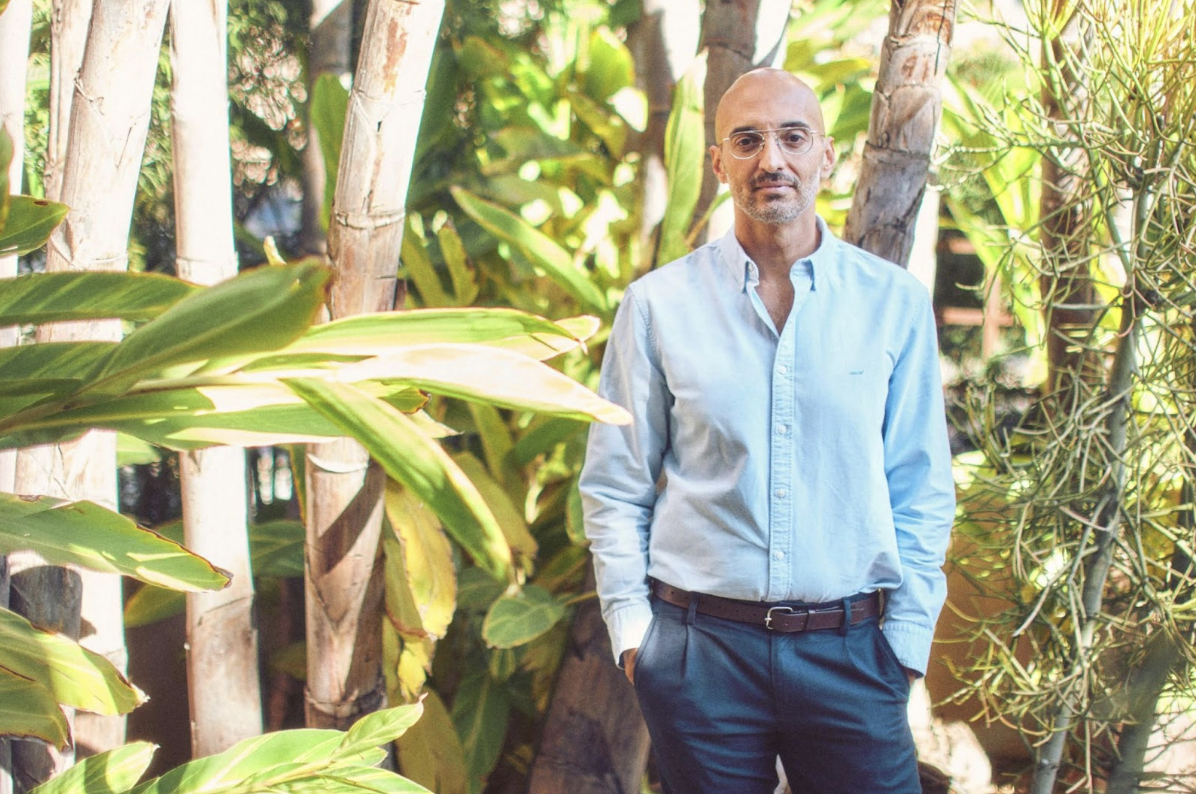
Cities continue to grow, despite the fact that heat, smoke, floods, and stress are changing everyday life. As more people move to densely populated areas, green spaces are becoming not a luxury, but a necessary infrastructure. For Mo Helmi, a landscape artist and founder of Tricoastal Scapes, the future of urban living depends on how well cities learn to coexist with nature.
«A part of my ambition is that the importance of integrating nature and science has never been more relevant in our urban conditions», - he says. His argument is simple: «By 2050, nearly 70% of the world’s population will live in cities».
If you are planning, building, or navigating such spaces every day, this statistic becomes personal.
Helmi asserts that greening cities should not remain at the level of superficial gestures. Nature must function. He designs green spaces that are not only beautiful but also cool the air, support biodiversity, and create places where people can relax.
«I saw an important gap in the landscape design industry», - he says, describing projects that claim sustainability but treat it as an add-on. His goal became clear: to create spaces that benefit people physically and mentally, support biodiversity and the environment, without sacrificing design beauty.
This balance shapes his approach to biophilic urbanism, where plants, soil, and water management work as living systems over time. For Helmi, landscapes do not exist separately from architecture. They help the city remain livable.
Helmi’s path to landscape design began in a different studio. He spent 15 years in fashion design and editorial work in London and Milan. «Plants and gardens have always been my passion and source of inspiration in my fashion career», - he says. This experience taught him how people respond to aesthetics, texture, and narrative. He also learned to express his ideas.
When clients worry that ecological efficiency might diminish beauty, Helmi addresses this fear with stories and specifics. «What helped me overcome this impression at the beginning», - he says, «was the ability to express a vision and create a scene for the client to imagine themselves in their ideal space».
One of his signature projects was transforming a former construction site into a wild forest with a wellness meadow at its center. Designed for Soho House, this space employs the Miyawaki method to accelerate ecological maturity and deepen biodiversity.
Helmi calls the FarmHouse restoration project «more than rewarding». Later, he discussed it on a panel at the Soho Summit, concluding with words that still guide his work: «The merging of design, science, and nature is still in its infancy, but it shows a promising future for both people and biodiversity».
The essence lay in proof, not poetry. Underutilized land can become an ecological and cultural asset if designed correctly.
Helmi’s creative confidence comes from rethinking. At first, he faced skepticism in the gardening world. Some believed that his experience in fashion did not allow him to be taken seriously. He chose to move forward. «Rejections were a real gift», - he says.
Now, splitting his time between London and Los Angeles, Helmi is actively involved in discussions about public health and landscapes that account for fire risk in Southern California. «As we approach the first anniversary of the fires in Los Angeles», - he says, «the idea of ‘aesthetically pleasing landscapes that account for fire risk' becomes relevant, and design changes will spread beyond California».
His long-term goal is bold and seemingly simple: to make urban nature desirable enough that people value it as a status symbol. «If I can change the mindset so that people value owning green space as much as they want to own a Birkin», - Helmi says, «that will be a huge achievement»
«A part of my ambition is that the importance of integrating nature and science has never been more relevant in our urban conditions», - he says. His argument is simple: «By 2050, nearly 70% of the world’s population will live in cities».
If you are planning, building, or navigating such spaces every day, this statistic becomes personal.
Helmi asserts that greening cities should not remain at the level of superficial gestures. Nature must function. He designs green spaces that are not only beautiful but also cool the air, support biodiversity, and create places where people can relax.
«I saw an important gap in the landscape design industry», - he says, describing projects that claim sustainability but treat it as an add-on. His goal became clear: to create spaces that benefit people physically and mentally, support biodiversity and the environment, without sacrificing design beauty.
This balance shapes his approach to biophilic urbanism, where plants, soil, and water management work as living systems over time. For Helmi, landscapes do not exist separately from architecture. They help the city remain livable.
Helmi’s path to landscape design began in a different studio. He spent 15 years in fashion design and editorial work in London and Milan. «Plants and gardens have always been my passion and source of inspiration in my fashion career», - he says. This experience taught him how people respond to aesthetics, texture, and narrative. He also learned to express his ideas.
When clients worry that ecological efficiency might diminish beauty, Helmi addresses this fear with stories and specifics. «What helped me overcome this impression at the beginning», - he says, «was the ability to express a vision and create a scene for the client to imagine themselves in their ideal space».
One of his signature projects was transforming a former construction site into a wild forest with a wellness meadow at its center. Designed for Soho House, this space employs the Miyawaki method to accelerate ecological maturity and deepen biodiversity.
Helmi calls the FarmHouse restoration project «more than rewarding». Later, he discussed it on a panel at the Soho Summit, concluding with words that still guide his work: «The merging of design, science, and nature is still in its infancy, but it shows a promising future for both people and biodiversity».
The essence lay in proof, not poetry. Underutilized land can become an ecological and cultural asset if designed correctly.
Helmi’s creative confidence comes from rethinking. At first, he faced skepticism in the gardening world. Some believed that his experience in fashion did not allow him to be taken seriously. He chose to move forward. «Rejections were a real gift», - he says.
Now, splitting his time between London and Los Angeles, Helmi is actively involved in discussions about public health and landscapes that account for fire risk in Southern California. «As we approach the first anniversary of the fires in Los Angeles», - he says, «the idea of ‘aesthetically pleasing landscapes that account for fire risk' becomes relevant, and design changes will spread beyond California».
His long-term goal is bold and seemingly simple: to make urban nature desirable enough that people value it as a status symbol. «If I can change the mindset so that people value owning green space as much as they want to own a Birkin», - Helmi says, «that will be a huge achievement»
© Zhinobaeva Margarita