
Beef fat is making a comeback in kitchens and fast food menus
12 october 2026 в 15:37
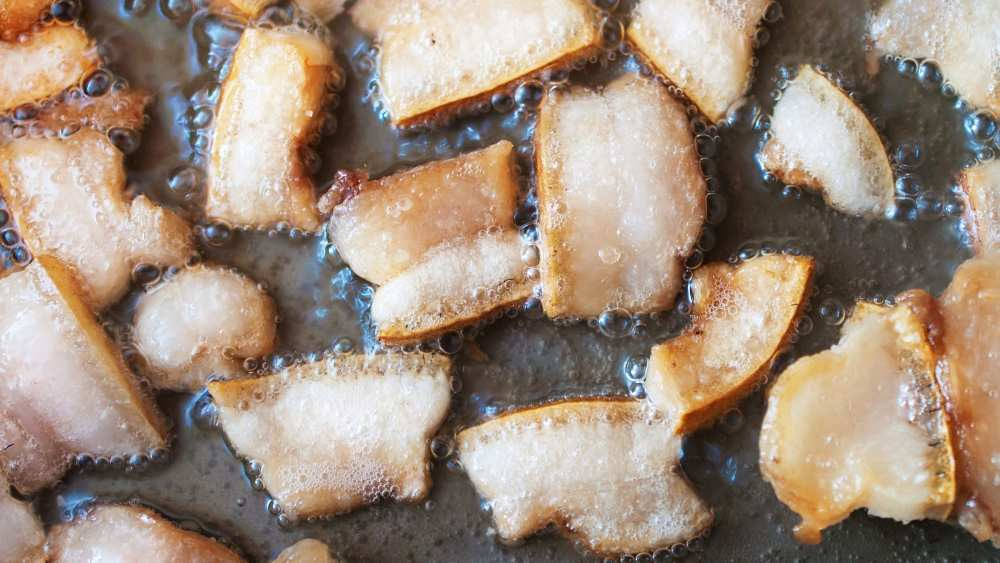
Beef tallow, which our grandmothers used for frying, is becoming popular again in American kitchens. It is returning to store shelves, fast food menus, and the pages of wellness influencers, and this resurgence is linked to both cultural and culinary changes.
The revival of beef tallow is driven by three interconnected factors. The MAHA (Make America Healthy Again) movement positions beef tallow as «real food», - untainted by corporate agriculture. Influencers are actively criticizing vegetable oils, deeming them inflammatory and highly processed. Additionally, fast food chains, which have long used vegetable oils, are quietly switching to frying with beef tallow to attract trend-conscious customers.
On platforms like TikTok and X, influencers are calling for a return to animal fats that our great-grandmothers cooked with, claiming that industrial vegetable oils contribute to modern diseases. The MAHA movement has politicized this message, viewing traditional fats as an alternative to processed foods.
Snack manufacturers and fast food chains have already begun updating their recipes by incorporating beef tallow to appeal to health-conscious consumers and those nostalgic for old flavors.
Beef tallow is a rendered form of beef fat, known for its rich flavor and high smoke point of 400 degrees Fahrenheit. It has traditionally been used in European and American cuisines for frying, roasting, and even baking, imparting deep flavor and a crispy texture to dishes.
Chef Jesse Konig shared that his favorite dish is fajitas cooked in beef tallow. He emphasizes that this fat adds a rich flavor and binds all the ingredients together. Home cooks also use it to create a crust on steaks and potatoes, as well as for frying chicken and fish.
Greg Hozinski, corporate chef at Coast Packing Co., noted that beef tallow provides excellent flavor and texture, allowing for the preparation of less fatty dishes with a crispy crust. It can also be used as a fat for baking, including pies and cakes.
The trend is expected to continue gaining popularity. Fast food chains are starting to use fryers with beef tallow, and cans of rendered beef tallow are filling store shelves. The question for most home cooks is no longer whether they have heard of beef tallow, but whether they want to try cooking with it. The return of beef tallow symbolizes a growing interest in traditional ingredients and a rethinking of culinary fundamentals in American homes.
The revival of beef tallow is driven by three interconnected factors. The MAHA (Make America Healthy Again) movement positions beef tallow as «real food», - untainted by corporate agriculture. Influencers are actively criticizing vegetable oils, deeming them inflammatory and highly processed. Additionally, fast food chains, which have long used vegetable oils, are quietly switching to frying with beef tallow to attract trend-conscious customers.
On platforms like TikTok and X, influencers are calling for a return to animal fats that our great-grandmothers cooked with, claiming that industrial vegetable oils contribute to modern diseases. The MAHA movement has politicized this message, viewing traditional fats as an alternative to processed foods.
Snack manufacturers and fast food chains have already begun updating their recipes by incorporating beef tallow to appeal to health-conscious consumers and those nostalgic for old flavors.
Beef tallow is a rendered form of beef fat, known for its rich flavor and high smoke point of 400 degrees Fahrenheit. It has traditionally been used in European and American cuisines for frying, roasting, and even baking, imparting deep flavor and a crispy texture to dishes.
Chef Jesse Konig shared that his favorite dish is fajitas cooked in beef tallow. He emphasizes that this fat adds a rich flavor and binds all the ingredients together. Home cooks also use it to create a crust on steaks and potatoes, as well as for frying chicken and fish.
Greg Hozinski, corporate chef at Coast Packing Co., noted that beef tallow provides excellent flavor and texture, allowing for the preparation of less fatty dishes with a crispy crust. It can also be used as a fat for baking, including pies and cakes.
The trend is expected to continue gaining popularity. Fast food chains are starting to use fryers with beef tallow, and cans of rendered beef tallow are filling store shelves. The question for most home cooks is no longer whether they have heard of beef tallow, but whether they want to try cooking with it. The return of beef tallow symbolizes a growing interest in traditional ingredients and a rethinking of culinary fundamentals in American homes.
© Artemenko Olga