Iran is ready to close the Strait of Hormuz: consequences for the global economy
22 june 2025 в 23:37
Iran has taken a bold step in the escalating conflict with the West by voting to close the Strait of Hormuz after a series of US strikes on Iranian nuclear and military facilities. The strikes in June 2025, which targeted key facilities in Natanz, Isfahan, and Tehran, were carried out in cooperation with Israeli intelligence and were among the most aggressive US operations in the region in recent years. After the attacks, the Iranian foreign minister warned that the Islamic Republic «retains all options to defend its sovereignty».
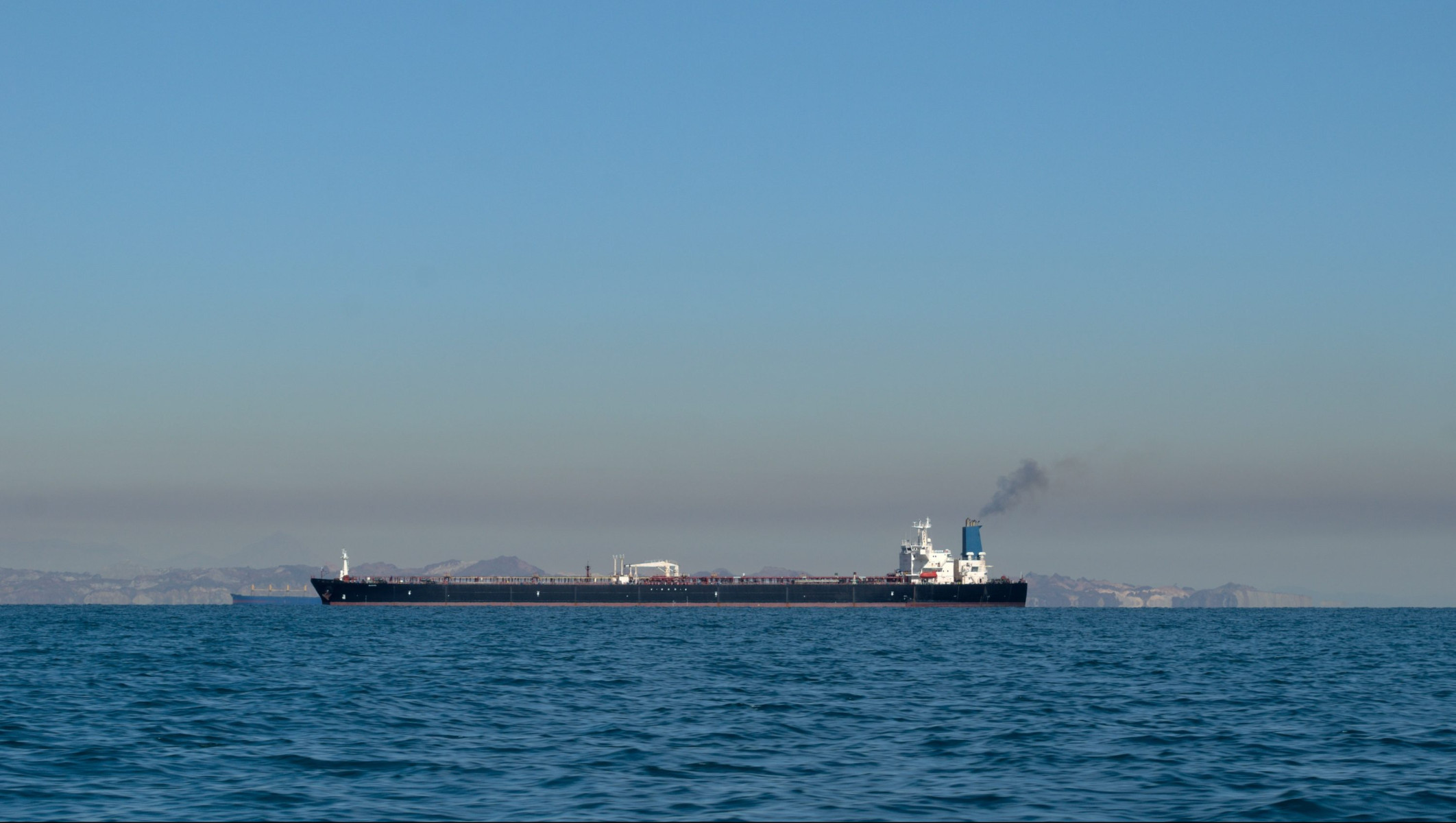
The Strait of Hormuz is a narrow sea passage between the Persian Gulf and the Gulf of Oman. It is one of the most strategically important maritime chokepoints in the world, as approximately 20% of the world’s oil passes through it daily. The strait borders Iran to the north and the United Arab Emirates and Oman to the south.
No, the Strait of Hormuz is still open. On June 22, 2025, the Iranian parliament voted for a measure to close the key maritime route in response to recent US strikes on Iranian nuclear facilities. However, the decision is not yet mandatory and still requires final approval from the Supreme National Security Council of Iran or Supreme Leader Ayatollah Khamenei.
Iran has never officially closed the Strait of Hormuz, but has made repeated threats to do so over the years, especially during periods of heightened tension with the US or their allies.
If the Strait of Hormuz is closed, it will immediately and significantly impact global energy markets and maritime routes. Approximately 20% of the world’s oil supply, including exports from Saudi Arabia, Iraq, the UAE, and Kuwait, passes through this narrow maritime passage daily. The closure will disrupt this flow, likely leading to a spike in oil prices and causing shortages or price increases in fuel in countries heavily reliant on exports from the Persian Gulf.
«I urge the Chinese government in Beijing to call them about this, because they heavily rely on the Strait of Hormuz for their oil», - said US Secretary of State Marco Rubio on Fox News Sunday Morning Futures with Maria Bartiromo, emphasizing the international stakes.
Rubio also warned that the closure of the strait would be «economic suicide» for Iran, noting that the Islamic Republic relies on the strait to export its own oil. Iran, the third-largest oil producer in OPEC, produces around 3.3 million barrels per day and exports at least 1.6 million barrels per day — nearly 80% of which goes to China, according to the US Energy Information Administration (EIA).
Vice President J.D. Vance echoed this warning in an interview with NBC Meet the Press, saying, «Their entire economy goes through the Strait of Hormuz. If they want to destroy their own economy and cause disruptions in the world, I think that will be their decision»
The Strait of Hormuz is a narrow sea passage between the Persian Gulf and the Gulf of Oman. It is one of the most strategically important maritime chokepoints in the world, as approximately 20% of the world’s oil passes through it daily. The strait borders Iran to the north and the United Arab Emirates and Oman to the south.
No, the Strait of Hormuz is still open. On June 22, 2025, the Iranian parliament voted for a measure to close the key maritime route in response to recent US strikes on Iranian nuclear facilities. However, the decision is not yet mandatory and still requires final approval from the Supreme National Security Council of Iran or Supreme Leader Ayatollah Khamenei.
Iran has never officially closed the Strait of Hormuz, but has made repeated threats to do so over the years, especially during periods of heightened tension with the US or their allies.
If the Strait of Hormuz is closed, it will immediately and significantly impact global energy markets and maritime routes. Approximately 20% of the world’s oil supply, including exports from Saudi Arabia, Iraq, the UAE, and Kuwait, passes through this narrow maritime passage daily. The closure will disrupt this flow, likely leading to a spike in oil prices and causing shortages or price increases in fuel in countries heavily reliant on exports from the Persian Gulf.
«I urge the Chinese government in Beijing to call them about this, because they heavily rely on the Strait of Hormuz for their oil», - said US Secretary of State Marco Rubio on Fox News Sunday Morning Futures with Maria Bartiromo, emphasizing the international stakes.
Rubio also warned that the closure of the strait would be «economic suicide» for Iran, noting that the Islamic Republic relies on the strait to export its own oil. Iran, the third-largest oil producer in OPEC, produces around 3.3 million barrels per day and exports at least 1.6 million barrels per day — nearly 80% of which goes to China, according to the US Energy Information Administration (EIA).
Vice President J.D. Vance echoed this warning in an interview with NBC Meet the Press, saying, «Their entire economy goes through the Strait of Hormuz. If they want to destroy their own economy and cause disruptions in the world, I think that will be their decision»
© Zhinobaeva Margarita