Kylie Jenner is flirting with Timothée Chalamet in TikTok comments
22 may 2026 в 01:13
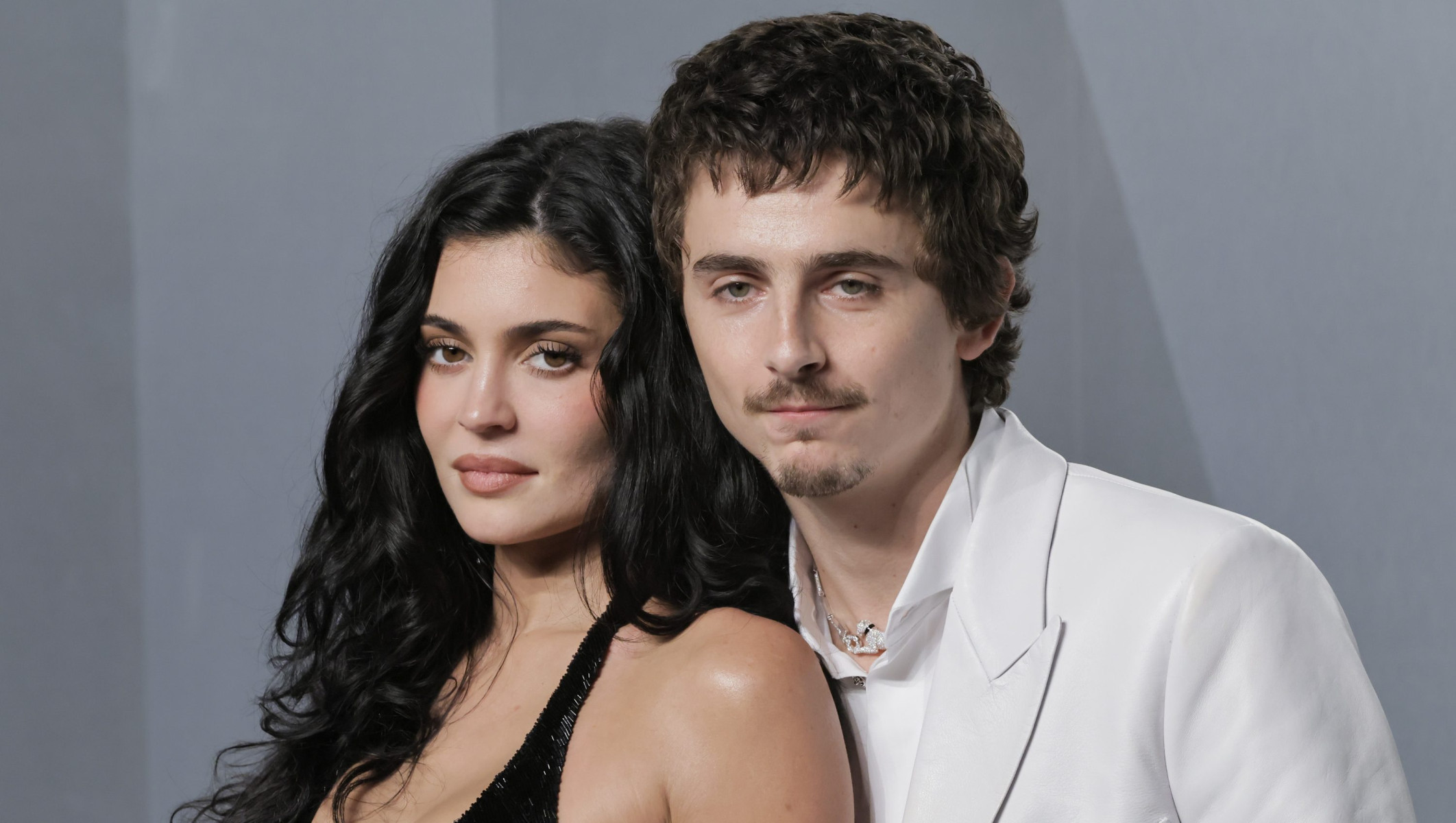
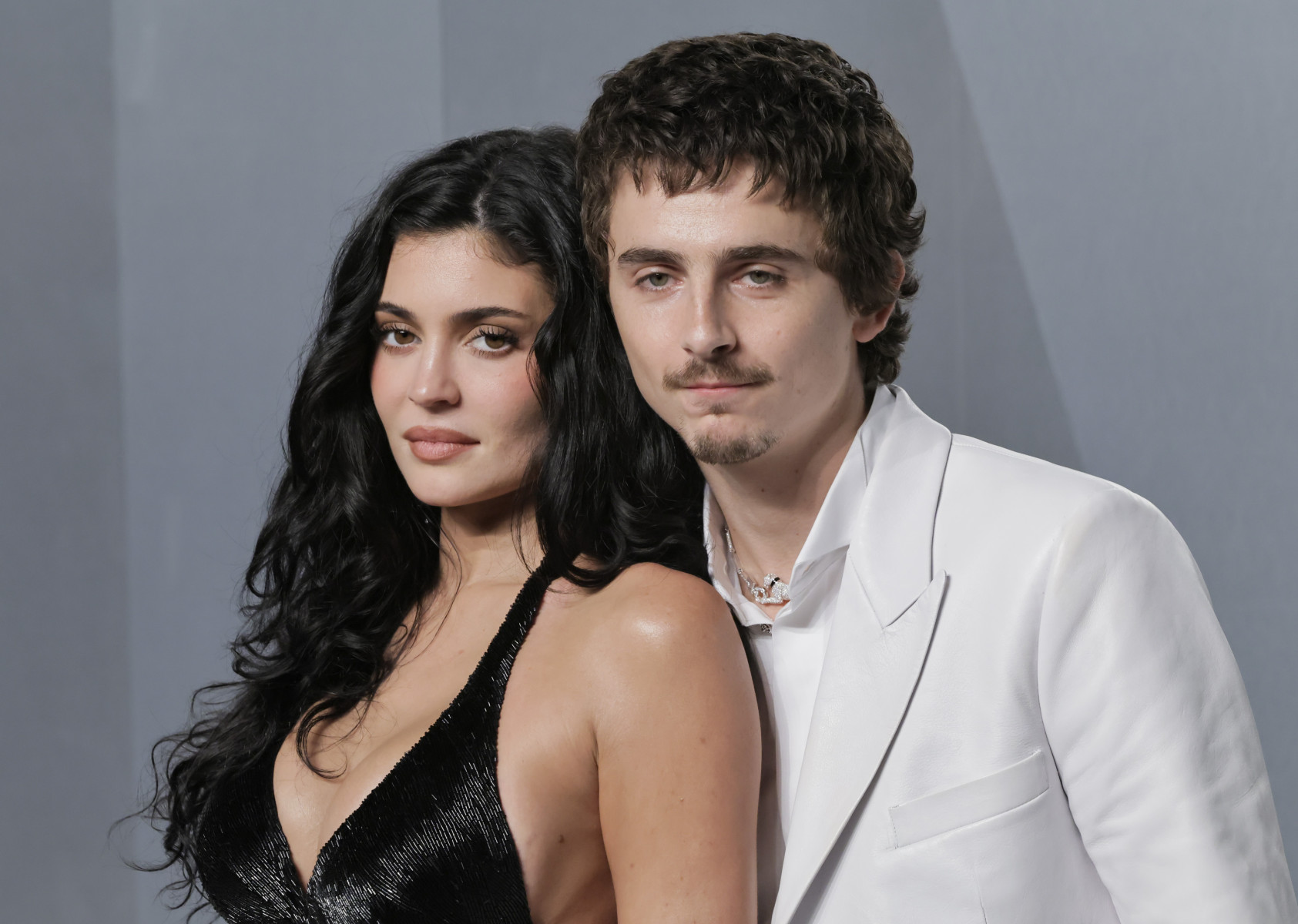
Kylie Jenner left a comment on TikTok on the Page Six page to express her feelings for her boyfriend. Publicly. With emojis.
Timothée Chalamet, with whom she first walked the red carpet in May, received a playful display of love from Kylie in front of the entire internet. And the internet reacted as it usually does: with disapproving glances, accusations of PR stunts, «awkward», - «she's trying too hard».
But let’s put judgment aside for a moment.
If you look at this comment from the perspective of human attachment, you’re not witnessing a tabloid trick. You see a nervous system publicly declaring that it has found its person. This is far more significant than the algorithm wants you to think.
In my view, we are an interdependent species. We are born with a need for connection and require a primary person with whom we will be emotionally bonded, from cradle to grave.
When two people fall in love, their nervous systems perform an ancient dance to solidify the bond. I joke about this in my office. You see someone across the room, you dance a little. They respond in kind. Someone might compliment my dancing skills.
That playful comment from Kylie on TikTok? It’s a digital response. It’s a signal from her nervous system that she hopes her emotional needs will be met.
But there’s another factor with Kylie. She lives under constant scrutiny. Every move she makes is noticed. Everyone is watching, screenshotting, saving, and sharing.
When you grow up in an environment where every connection is public content, you develop a defense mechanism to survive this vulnerability. I know this from my experience before meeting my wife, Tial. I became a «Seducer». My worth in love was determined by how attractive I could be. Do they want me? Can I show the version of myself that I thought I needed to be to be chosen?
When we observe a celebrity who is «thirsting» for love online, that defense mechanism is active. Desire becomes a shield. Public affection becomes proof of connection. And beneath the shiny, playful facade, the limbic system asks two questions that are truly important: «Are you here for me?» and «Am I good enough for you?»
I see this dynamic every Tuesday on the couch in my office in San Francisco. Successful founders, executives, creatives. People who built their early relationships on intoxication, seductive validation.
Here’s what no one talks about in the «thirst» phase. The brain is flooded with dopamine. You feel chosen. You feel safe. It seems like a miracle is happening.
But it ends. Your sexual «self» has met your partner. Now your vulnerable «self» needs to make love with them.
When the constant validation disappears, when he doesn’t respond to a message within three minutes, when she’s too tired to flirt, the nervous system that built its safety on desire goes into panic. The absence of desire is perceived as an existential threat. It’s interesting to see where you are on this spectrum. You can learn your relationship pattern in three minutes.
The same person who left thirsty comments suddenly starts getting angry about the dishwasher. Everyone comes to my office thinking they are world-renowned experts on their partner’s issues. I tell them that if I were to hold a conference next week on their partner’s problems, the keynote speaker would be the other spouse.
They think they’re arguing about Instagram likes, late work, who texted whom. I call it «who-what-when». But the root is always the same: the person I chose as my safe haven suddenly seems like a source of danger.
This is where the honeymoon ends. Or transforms.
The algorithm will make you see Kylie as «trying too hard»
Timothée Chalamet, with whom she first walked the red carpet in May, received a playful display of love from Kylie in front of the entire internet. And the internet reacted as it usually does: with disapproving glances, accusations of PR stunts, «awkward», - «she's trying too hard».
But let’s put judgment aside for a moment.
If you look at this comment from the perspective of human attachment, you’re not witnessing a tabloid trick. You see a nervous system publicly declaring that it has found its person. This is far more significant than the algorithm wants you to think.
In my view, we are an interdependent species. We are born with a need for connection and require a primary person with whom we will be emotionally bonded, from cradle to grave.
When two people fall in love, their nervous systems perform an ancient dance to solidify the bond. I joke about this in my office. You see someone across the room, you dance a little. They respond in kind. Someone might compliment my dancing skills.
That playful comment from Kylie on TikTok? It’s a digital response. It’s a signal from her nervous system that she hopes her emotional needs will be met.
But there’s another factor with Kylie. She lives under constant scrutiny. Every move she makes is noticed. Everyone is watching, screenshotting, saving, and sharing.
When you grow up in an environment where every connection is public content, you develop a defense mechanism to survive this vulnerability. I know this from my experience before meeting my wife, Tial. I became a «Seducer». My worth in love was determined by how attractive I could be. Do they want me? Can I show the version of myself that I thought I needed to be to be chosen?
When we observe a celebrity who is «thirsting» for love online, that defense mechanism is active. Desire becomes a shield. Public affection becomes proof of connection. And beneath the shiny, playful facade, the limbic system asks two questions that are truly important: «Are you here for me?» and «Am I good enough for you?»
I see this dynamic every Tuesday on the couch in my office in San Francisco. Successful founders, executives, creatives. People who built their early relationships on intoxication, seductive validation.
Here’s what no one talks about in the «thirst» phase. The brain is flooded with dopamine. You feel chosen. You feel safe. It seems like a miracle is happening.
But it ends. Your sexual «self» has met your partner. Now your vulnerable «self» needs to make love with them.
When the constant validation disappears, when he doesn’t respond to a message within three minutes, when she’s too tired to flirt, the nervous system that built its safety on desire goes into panic. The absence of desire is perceived as an existential threat. It’s interesting to see where you are on this spectrum. You can learn your relationship pattern in three minutes.
The same person who left thirsty comments suddenly starts getting angry about the dishwasher. Everyone comes to my office thinking they are world-renowned experts on their partner’s issues. I tell them that if I were to hold a conference next week on their partner’s problems, the keynote speaker would be the other spouse.
They think they’re arguing about Instagram likes, late work, who texted whom. I call it «who-what-when». But the root is always the same: the person I chose as my safe haven suddenly seems like a source of danger.
This is where the honeymoon ends. Or transforms.
The algorithm will make you see Kylie as «trying too hard»
© Puhova Marina