
«Cocaine in shark livers: new study causes shock»
24 july 2024 в 22:28
Elizabeth Banks may be considering her next film, «Cocaine Shark».
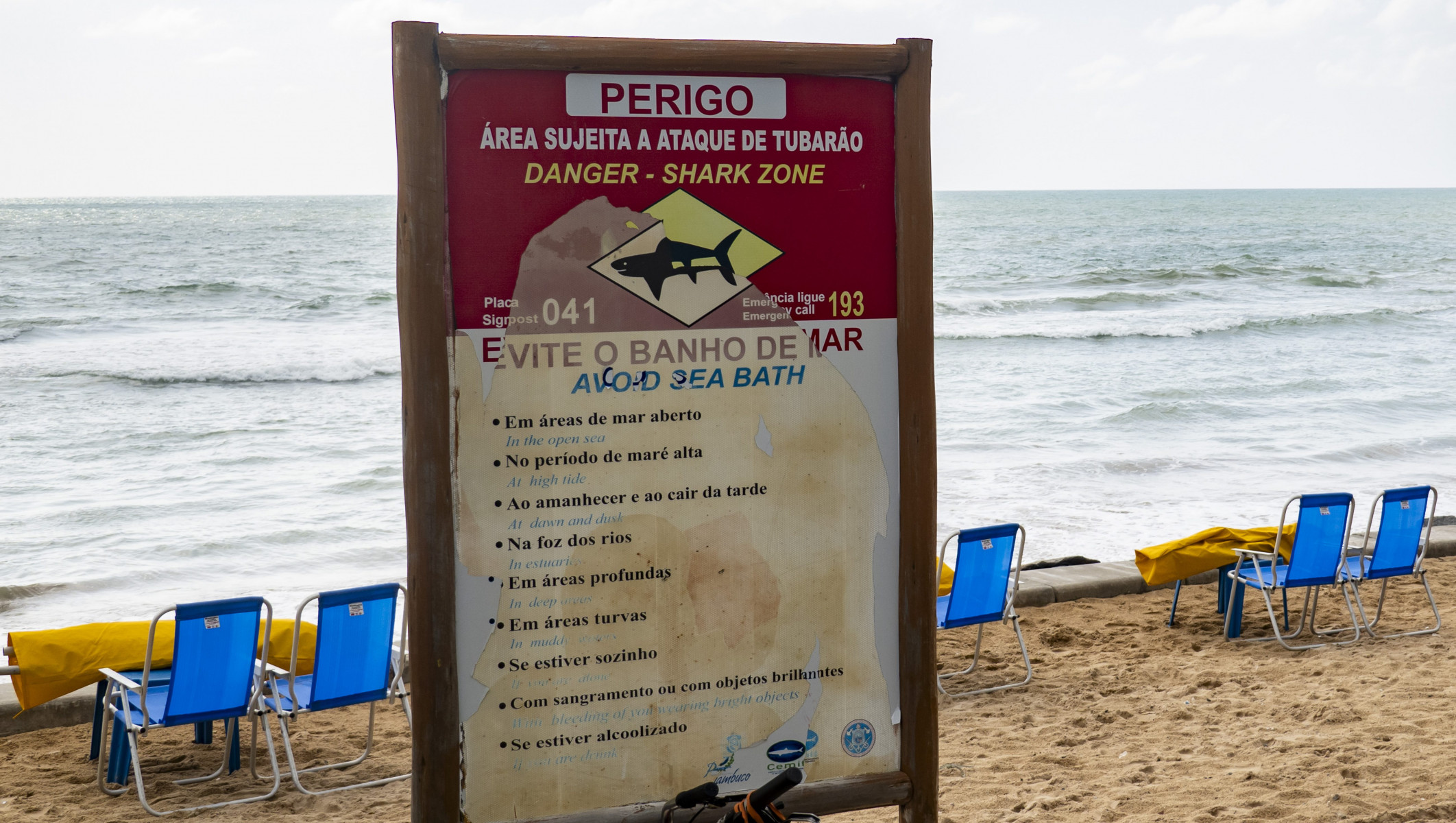
In a recently published study, researchers examined 13 sharks off the coast of Rio de Janeiro and found that all of them had traces of cocaine and its main metabolite, benzoylecgonine, in their livers and muscle tissues. The study, conducted by the Oswaldo Cruz Foundation, is the first to discover the presence of cocaine in sharks.
«We were really amazed», - said Rachel Ann Hauser Davis, co-author of the study and a biologist at the Oswaldo Cruz Foundation in Brazil. «We were excited in a bad way, but this is a new report. This is the first time these data have been found in any top predator».
However, it is important to note that the sample size was relatively small, leaving questions about potential consequences for the sharks themselves and for any predators that may consume them.
«I found it quite remarkable that they published this even with only 13 animals», - said Daniel Snow, director of the Water Sciences Laboratory at the University of Nebraska, who was not involved in the study.
Dr. Snow was one of the first researchers to measure the illegal drug methamphetamine in wastewater in Nebraska. «It's not that hard to imagine that these chemicals that get into the water can affect aquatic organisms living in that same water», - he said.
Dr. Hauser Davis said there are several hypotheses about how cocaine ended up in marine creatures, including illegal laboratories processing cocaine or lost or discarded cocaine packets by drug traffickers. However, she believes this only explains a small amount of the drug found in the ocean.
«We believe the main source would be excretion through urine and feces from people using cocaine», - she said. Most wastewater treatment plants around the world cannot effectively filter out these substances, leading to their entry into the ocean.
Tracy Fanara, an ecological engineer in Florida who led a research group for the 2023 documentary film «Cocaine Sharks», - which inspired the title of the study last week, noted that the drug is still only a small part of a larger problem of pollution of natural habitats.
«Cocaine attracts people’s attention», - she said. «But we have antibiotics, antidepressants, pharmaceuticals, sunscreens, insecticides, fertilizers. All these chemicals enter our ecosystem».
Dr. Hauser Davis expressed similar concerns. «Why is no one surprised when they find metals, pesticides, and PFAS?» she said.
But she hopes that their study will open up new opportunities for testing other animals for cocaine.
«We hope to test other sharks, rays, and even sea turtles»
In a recently published study, researchers examined 13 sharks off the coast of Rio de Janeiro and found that all of them had traces of cocaine and its main metabolite, benzoylecgonine, in their livers and muscle tissues. The study, conducted by the Oswaldo Cruz Foundation, is the first to discover the presence of cocaine in sharks.
«We were really amazed», - said Rachel Ann Hauser Davis, co-author of the study and a biologist at the Oswaldo Cruz Foundation in Brazil. «We were excited in a bad way, but this is a new report. This is the first time these data have been found in any top predator».
However, it is important to note that the sample size was relatively small, leaving questions about potential consequences for the sharks themselves and for any predators that may consume them.
«I found it quite remarkable that they published this even with only 13 animals», - said Daniel Snow, director of the Water Sciences Laboratory at the University of Nebraska, who was not involved in the study.
Dr. Snow was one of the first researchers to measure the illegal drug methamphetamine in wastewater in Nebraska. «It's not that hard to imagine that these chemicals that get into the water can affect aquatic organisms living in that same water», - he said.
Dr. Hauser Davis said there are several hypotheses about how cocaine ended up in marine creatures, including illegal laboratories processing cocaine or lost or discarded cocaine packets by drug traffickers. However, she believes this only explains a small amount of the drug found in the ocean.
«We believe the main source would be excretion through urine and feces from people using cocaine», - she said. Most wastewater treatment plants around the world cannot effectively filter out these substances, leading to their entry into the ocean.
Tracy Fanara, an ecological engineer in Florida who led a research group for the 2023 documentary film «Cocaine Sharks», - which inspired the title of the study last week, noted that the drug is still only a small part of a larger problem of pollution of natural habitats.
«Cocaine attracts people’s attention», - she said. «But we have antibiotics, antidepressants, pharmaceuticals, sunscreens, insecticides, fertilizers. All these chemicals enter our ecosystem».
Dr. Hauser Davis expressed similar concerns. «Why is no one surprised when they find metals, pesticides, and PFAS?» she said.
But she hopes that their study will open up new opportunities for testing other animals for cocaine.
«We hope to test other sharks, rays, and even sea turtles»
© Kolganov Andrey