Kristo Pike hospitalized after botched execution
14 october 2026 в 07:02
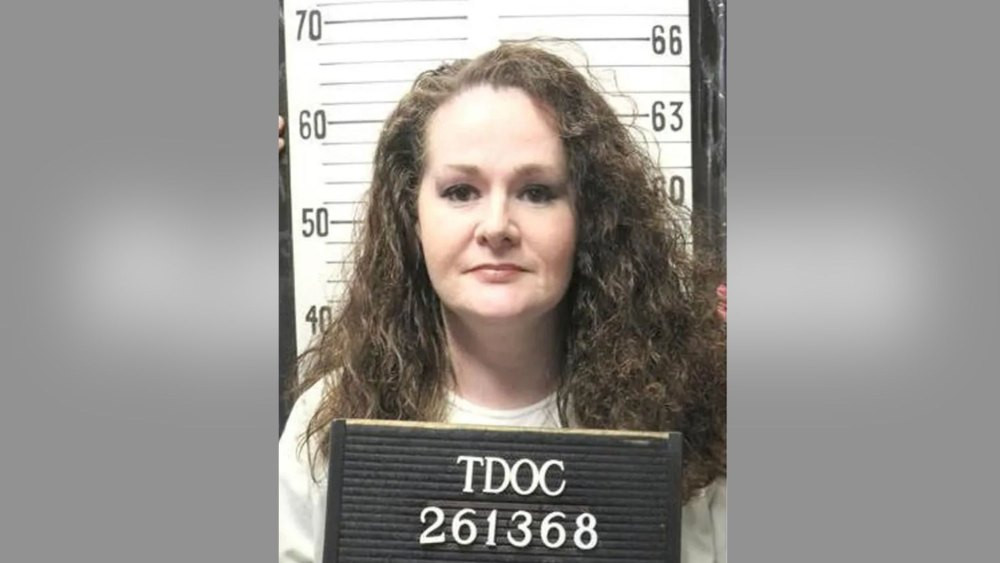
Recently released 911 call records reveal confusion among dispatchers following the botched execution of Krista Pike. On September 30, after Pike received two doses of lethal injection, medical personnel were called, and during the communication with first responders, misunderstandings arose, according to transcripts and audio recordings of the calls published by the Nashville Emergency Communications Center.
The first call came in at 8:40 PM Central Time. The caller from Riverbend Maximum Security Institution reported that the execution was taking place and that Pike was not dead, adding that her breathing was «very labored and slow», - and she was «not conscious». The dispatcher requested a code to confirm the call, but the caller replied that there was no code, which caused confusion for the dispatcher.
In subsequent calls, staff at the Emergency Communications Center attempted to confirm the incident. One of the women from the center contacted the Central Office of the Tennessee Department of Corrections to clarify information about the «botched execution». At 9:08 PM, Pike’s attorney, Kelly Glisson, also called 911 and requested «immediate assistance», - stating that Pike was «not conscious and snoring». The dispatcher responded that they were working to send a Tennessee patrol to the prison.
Three minutes later, a staff member from the Emergency Communications Center contacted the Tennessee patrol dispatcher and requested that a patrol officer be dispatched to the scene so that medical personnel could enter the prison and assist Pike. However, medical personnel could not enter without an officer present on-site.
Krista Pike was sentenced to death in 1996 for the murder of her classmate, Colleen Slemmer, in 1995. After the botched execution, she was placed on a ventilator and regained consciousness nearly a week later. On October 10, her attorneys confirmed that she had been discharged from the hospital and transferred back to prison. Pike’s future on death row remains uncertain, as Tennessee Governor Bill Lee has suspended all executions pending an investigation into her case.
The first call came in at 8:40 PM Central Time. The caller from Riverbend Maximum Security Institution reported that the execution was taking place and that Pike was not dead, adding that her breathing was «very labored and slow», - and she was «not conscious». The dispatcher requested a code to confirm the call, but the caller replied that there was no code, which caused confusion for the dispatcher.
In subsequent calls, staff at the Emergency Communications Center attempted to confirm the incident. One of the women from the center contacted the Central Office of the Tennessee Department of Corrections to clarify information about the «botched execution». At 9:08 PM, Pike’s attorney, Kelly Glisson, also called 911 and requested «immediate assistance», - stating that Pike was «not conscious and snoring». The dispatcher responded that they were working to send a Tennessee patrol to the prison.
Three minutes later, a staff member from the Emergency Communications Center contacted the Tennessee patrol dispatcher and requested that a patrol officer be dispatched to the scene so that medical personnel could enter the prison and assist Pike. However, medical personnel could not enter without an officer present on-site.
Krista Pike was sentenced to death in 1996 for the murder of her classmate, Colleen Slemmer, in 1995. After the botched execution, she was placed on a ventilator and regained consciousness nearly a week later. On October 10, her attorneys confirmed that she had been discharged from the hospital and transferred back to prison. Pike’s future on death row remains uncertain, as Tennessee Governor Bill Lee has suspended all executions pending an investigation into her case.
© Puhova Marina