The criticism by Emily Wilson of Nolan’s film about the Odyssey has sparked a storm of discussions
3 august 2026 в 13:37
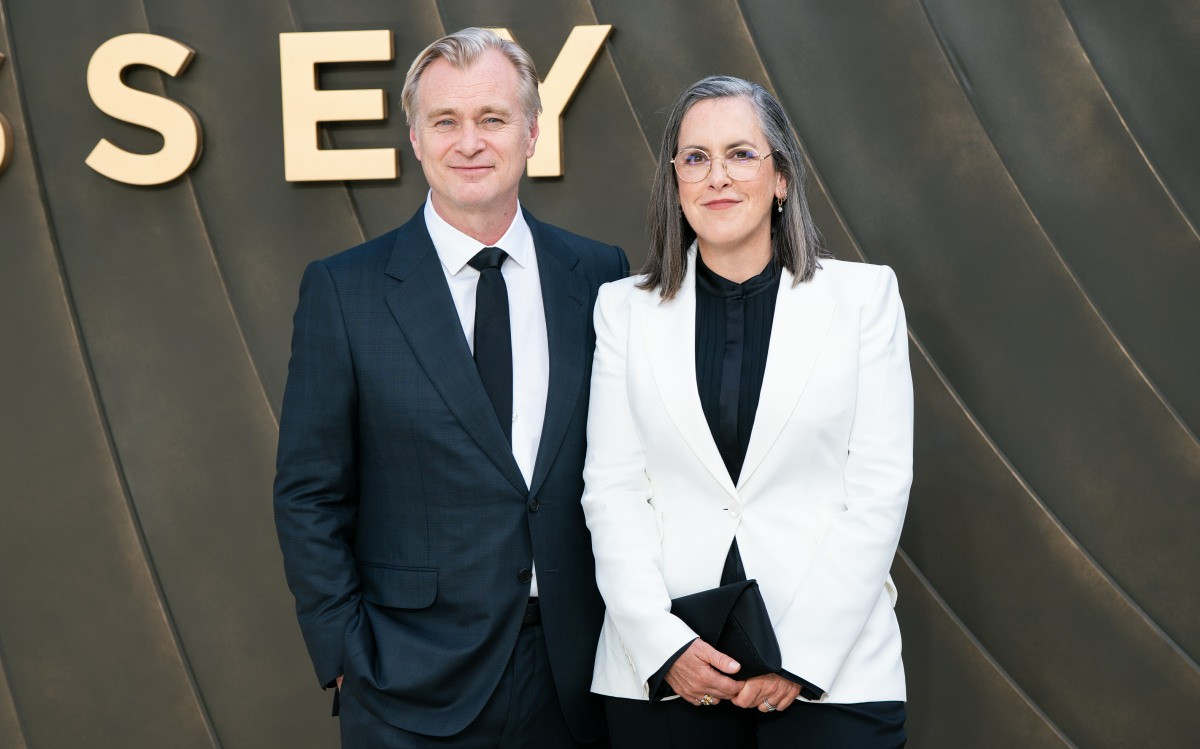

One of my favorite news stories of the week was the sharp opinion of Professor of Classical Literature Emily Wilson regarding Christopher Nolan’s film «Odyssey». I appreciate when scholars express their opinions and critique works of art, and I value that Wilson did not soften her words. There are several reasons why her criticism attracted so much attention and discussion this week. First, she wisely held back her remarks for two weeks after the film’s release, which looks stylish (in general) and means that millions of people have already seen the film and have their own opinions. Second, few critics and scholars are willing to openly tear apart a popular film, especially one directed by someone like Christopher Nolan. Part of Wilson’s argument is based on the idea that people are so blinded by Nolan’s genius and mystique that they cannot critically assess his work.
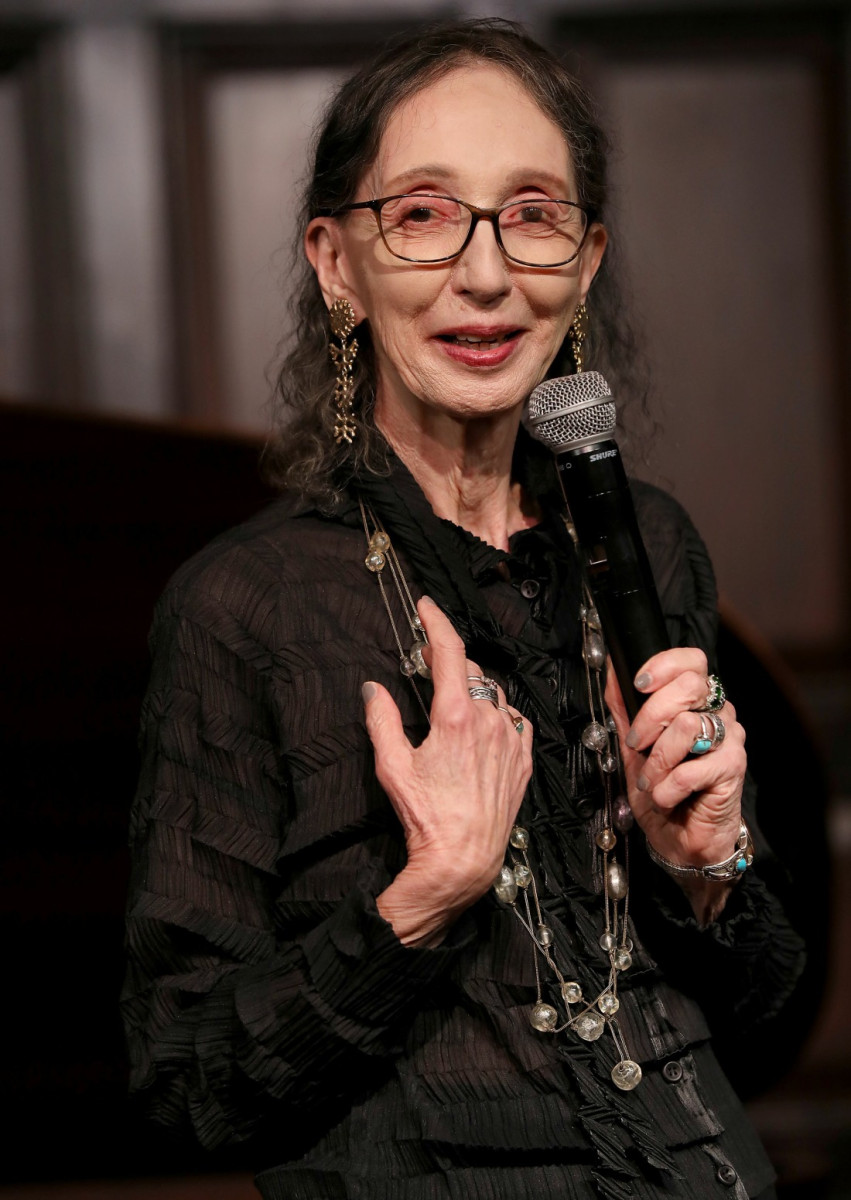
Another aspect of the discussion surrounding Wilson’s critique is that she is one of the few scholars with expertise in this narrow field, if we can call the greatest Greek myth «narrow». This is her professional domain; she translated the «Odyssey», - and she cannot be blamed for having an opinion about it. Nevertheless, this is exactly what is happening—too many people are upset that the professor expressed a negative opinion about the film. This is part of a broader problem: the replacement of genuine criticism of art/films with paid bias and a culture of fanaticism. Joyce Carol Oates responded to this, more like Joyce Carol GENIUS, who decided to weigh in on Wilson’s critique. Here is her opinion:
The literary discussion about Christopher Nolan’s «Odyssey» is still ongoing. On Wednesday, author Joyce Carol Oates defended the successful film after Emily Wilson’s viral review sharply criticized it. The author of «Blonde» and «We Were the Mulvaneys» wrote on X that «the tone of disdain and arrogance in Wilson’s review sounds unpleasant».
«Instead of disagreeing with Homer’s interpretations in a friendly manner, this person, who has greatly benefited from Nolan’s film, speaks in a coarse language, like MAGA supporters, attacking those whose ideas differ from hers», - continued the National Book Award winner. «One would expect a translator, who, more than anyone else, is indebted to the text, to show a bit more respect for those who act in good faith, just as (she would argue) she does».
Oates responded to a comment stating: «It's complicated because on one hand I deeply respect Wilson as a classicist and enjoy her translation of the 'Odyssey,' but on the other hand, this review is based on such bad faith and is full of outrageous opinions that I feel she would be hostile to any adaptation».
Overall, Oates said she enjoyed Nolan’s film: «[I] highly recommend both Nolan’s film and the 1997 miniseries co-produced by Francis Ford Coppola. The adaptations are noticeably different: one is American, with a grim middle-aged hero played by Matt Damon; the other is very Mediterranean, with the charismatic Armand Assante, who embodies the role more naturally… there is no reason why Nolan or anyone else should not reinterpret a classic hero through the lens of their own imagination».
Wilson is a recognized translator of Homer’s epic poems «Iliad» and «Odyssey», - and the first line of the latter («Tell me about a complicated man») was previously quoted by Nolan. Her review of the film this week for the London Review of Books became a lengthy and sharp opinion on the project.
«Nolan's Odyssey is devoid of many elements that make the poem great», - she wrote. «The film says nothing convincing about time, memory, history, war, or the connection between the glorious return of one warrior and the lives of his family, opponents, comrades, friends, and neighbors. It lacks psychological, emotional…»
Another aspect of the discussion surrounding Wilson’s critique is that she is one of the few scholars with expertise in this narrow field, if we can call the greatest Greek myth «narrow». This is her professional domain; she translated the «Odyssey», - and she cannot be blamed for having an opinion about it. Nevertheless, this is exactly what is happening—too many people are upset that the professor expressed a negative opinion about the film. This is part of a broader problem: the replacement of genuine criticism of art/films with paid bias and a culture of fanaticism. Joyce Carol Oates responded to this, more like Joyce Carol GENIUS, who decided to weigh in on Wilson’s critique. Here is her opinion:
The literary discussion about Christopher Nolan’s «Odyssey» is still ongoing. On Wednesday, author Joyce Carol Oates defended the successful film after Emily Wilson’s viral review sharply criticized it. The author of «Blonde» and «We Were the Mulvaneys» wrote on X that «the tone of disdain and arrogance in Wilson’s review sounds unpleasant».
«Instead of disagreeing with Homer’s interpretations in a friendly manner, this person, who has greatly benefited from Nolan’s film, speaks in a coarse language, like MAGA supporters, attacking those whose ideas differ from hers», - continued the National Book Award winner. «One would expect a translator, who, more than anyone else, is indebted to the text, to show a bit more respect for those who act in good faith, just as (she would argue) she does».
Oates responded to a comment stating: «It's complicated because on one hand I deeply respect Wilson as a classicist and enjoy her translation of the 'Odyssey,' but on the other hand, this review is based on such bad faith and is full of outrageous opinions that I feel she would be hostile to any adaptation».
Overall, Oates said she enjoyed Nolan’s film: «[I] highly recommend both Nolan’s film and the 1997 miniseries co-produced by Francis Ford Coppola. The adaptations are noticeably different: one is American, with a grim middle-aged hero played by Matt Damon; the other is very Mediterranean, with the charismatic Armand Assante, who embodies the role more naturally… there is no reason why Nolan or anyone else should not reinterpret a classic hero through the lens of their own imagination».
Wilson is a recognized translator of Homer’s epic poems «Iliad» and «Odyssey», - and the first line of the latter («Tell me about a complicated man») was previously quoted by Nolan. Her review of the film this week for the London Review of Books became a lengthy and sharp opinion on the project.
«Nolan's Odyssey is devoid of many elements that make the poem great», - she wrote. «The film says nothing convincing about time, memory, history, war, or the connection between the glorious return of one warrior and the lives of his family, opponents, comrades, friends, and neighbors. It lacks psychological, emotional…»
© Kolganov Andrey