Magnolia Pearl: the success story of resale in unique fashion
10 september 2025 в 20:50
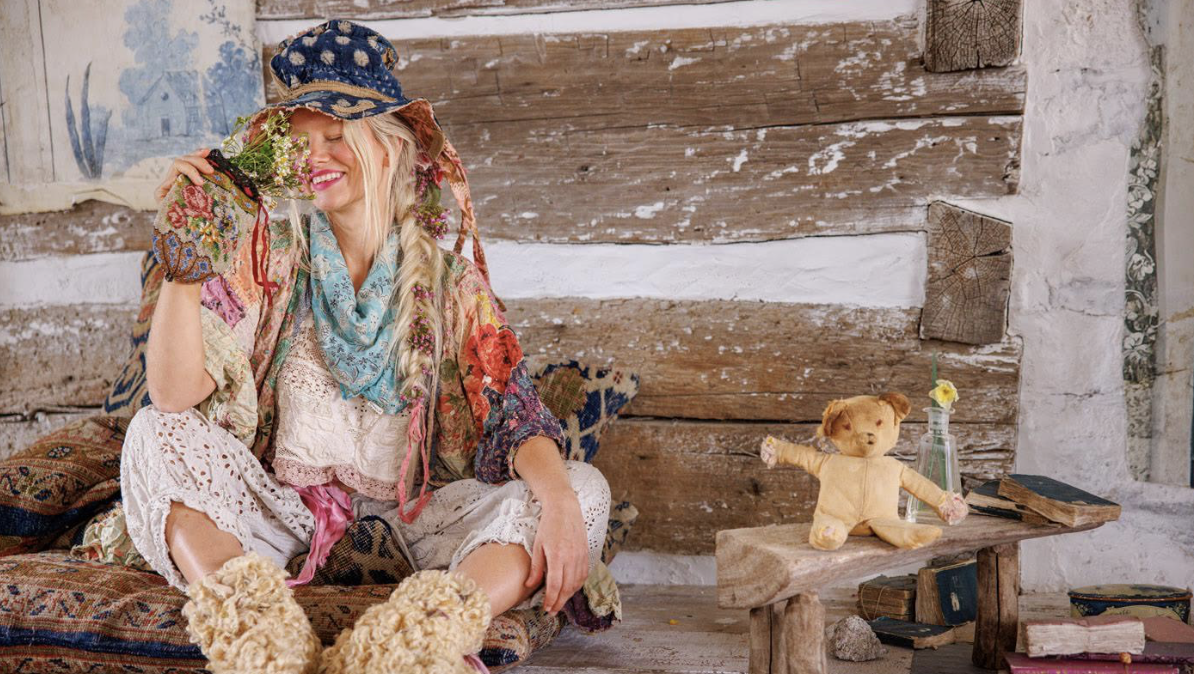
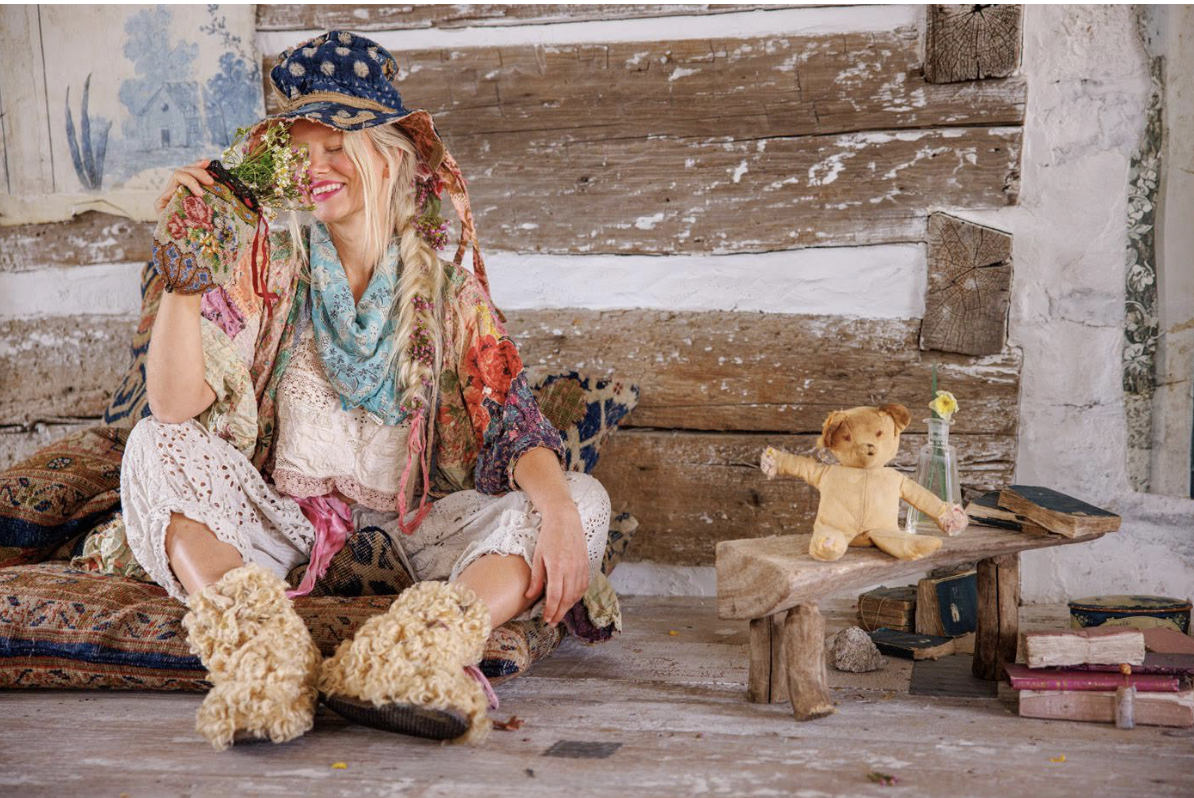
The jacket on the hanger faded just like that — every thread on the cuff carries a soft trace of time. There is a patch on the back, not factory-made, but hand-sewn, offset and casual. The paint dusts the collar, like a memory. If you didn’t know better, you would think it was rescued from an antique shop.
But this is Magnolia Pearl. Like many other jackets from the fashionable brand from Texas, this jacket has already doubled its value in resale.
From the kitchen table in Fredericksburg to more than 375 boutiques around the world, Magnolia Pearl has become one of the most unexpected success stories in the fashion world. Their clothing, sold new for hundreds of dollars, is now sold for double the price on the secondary market. Not because they were preserved in perfect condition, but because they were worn — wrinkled, stretched, lived in. And that’s the point.
Born out of necessity, stylized by survival
Magnolia Pearl started with tapestries and threads for a kite. In the early 2000s, Robin Brown hand-sewed her first backpack out of necessity. A stranger bought it for the amount she needed to collect the ashes of her mother. This deal — part grief, part grace — laid the foundation for a design philosophy based not on fashion, but on survival.
Brown, who grew up amidst violence and housing instability, learned to find beauty where it was not noticed.
This lives in every item released by the brand: visibly darned jackets, worn overalls, dresses dyed with stripes of emotions. These are not polished clothing items — they are raw, imperfect, and deeply human.
The resale rebellion
Unlike most fashion houses, whose value decreases the moment the tag is torn off, Magnolia Pearl items do the opposite. Collectors hunt for limited releases on social media and consignment groups, often willing to pay two or three times the retail price.
In 2023, the company officially legalized this phenomenon by launching Magnolia Pearl Trade, its own secondary sales platform. The site authenticates listings, conducts auctions for rare samples, and provides a safe space for collectors to buy and sell pre-loved clothing. Critically, the brand also uses this system to raise funds: 100% of the listing fee and 25% of the sale of exclusive items go directly to the Magnolia Pearl Peace Warriors Fund, a non-profit organization founded by Brown.
Since its launch, the fund has raised over $ 500,000. The money supports various projects, ranging from housing for indigenous veterans to medical assistance for homeless people and their pets.
Why worn-out is worth more
In a fashion system that worships the new, Magnolia Pearl’s success undermines logic. However, it fits into a broader cultural and economic trend: the rise of circular fashion. According to ThredUp’s 2025 report on resale, the global secondhand clothing market is on track to reach $ 350 billion by 2030, with North America leading the growth. Consumers are seeking durability, narrative, and ethical value in what they buy — and wear.
Magnolia Pearl clothing is inherently designed for long-term use. Produced in small, all-season batches, they are not tied to trend cycles. Instead, they invite transformation. A buyer wears a jacket for two years, adds a patch, stains the hem, and then lists it for sale online — where another buyer sees not damage, but a story. This reuse adds not only sentimental weight but also commercial value.
Tracking prices on the secondary market in Magnolia Pearl collector communities confirms this trend. One of the archival velvet coats from 2022 that retailed for $ 600 is now regularly selling for over $ 1400. More rare items from collaborations with artists.
Visibility as resistance
Brown’s design choices are as political as they are personal.
This transparency, once rejected by critics as theatrical, now finds resonance. Magnolia Pearl clothing is worn not only by customers — it is embraced by celebrities such as Taylor Swift, Whoopi Goldberg, and Daryl Hannah, who share the brand’s attachment to imperfection
But this is Magnolia Pearl. Like many other jackets from the fashionable brand from Texas, this jacket has already doubled its value in resale.
From the kitchen table in Fredericksburg to more than 375 boutiques around the world, Magnolia Pearl has become one of the most unexpected success stories in the fashion world. Their clothing, sold new for hundreds of dollars, is now sold for double the price on the secondary market. Not because they were preserved in perfect condition, but because they were worn — wrinkled, stretched, lived in. And that’s the point.
Born out of necessity, stylized by survival
Magnolia Pearl started with tapestries and threads for a kite. In the early 2000s, Robin Brown hand-sewed her first backpack out of necessity. A stranger bought it for the amount she needed to collect the ashes of her mother. This deal — part grief, part grace — laid the foundation for a design philosophy based not on fashion, but on survival.
Brown, who grew up amidst violence and housing instability, learned to find beauty where it was not noticed.
This lives in every item released by the brand: visibly darned jackets, worn overalls, dresses dyed with stripes of emotions. These are not polished clothing items — they are raw, imperfect, and deeply human.
The resale rebellion
Unlike most fashion houses, whose value decreases the moment the tag is torn off, Magnolia Pearl items do the opposite. Collectors hunt for limited releases on social media and consignment groups, often willing to pay two or three times the retail price.
In 2023, the company officially legalized this phenomenon by launching Magnolia Pearl Trade, its own secondary sales platform. The site authenticates listings, conducts auctions for rare samples, and provides a safe space for collectors to buy and sell pre-loved clothing. Critically, the brand also uses this system to raise funds: 100% of the listing fee and 25% of the sale of exclusive items go directly to the Magnolia Pearl Peace Warriors Fund, a non-profit organization founded by Brown.
Since its launch, the fund has raised over $ 500,000. The money supports various projects, ranging from housing for indigenous veterans to medical assistance for homeless people and their pets.
Why worn-out is worth more
In a fashion system that worships the new, Magnolia Pearl’s success undermines logic. However, it fits into a broader cultural and economic trend: the rise of circular fashion. According to ThredUp’s 2025 report on resale, the global secondhand clothing market is on track to reach $ 350 billion by 2030, with North America leading the growth. Consumers are seeking durability, narrative, and ethical value in what they buy — and wear.
Magnolia Pearl clothing is inherently designed for long-term use. Produced in small, all-season batches, they are not tied to trend cycles. Instead, they invite transformation. A buyer wears a jacket for two years, adds a patch, stains the hem, and then lists it for sale online — where another buyer sees not damage, but a story. This reuse adds not only sentimental weight but also commercial value.
Tracking prices on the secondary market in Magnolia Pearl collector communities confirms this trend. One of the archival velvet coats from 2022 that retailed for $ 600 is now regularly selling for over $ 1400. More rare items from collaborations with artists.
Visibility as resistance
Brown’s design choices are as political as they are personal.
This transparency, once rejected by critics as theatrical, now finds resonance. Magnolia Pearl clothing is worn not only by customers — it is embraced by celebrities such as Taylor Swift, Whoopi Goldberg, and Daryl Hannah, who share the brand’s attachment to imperfection
© Smirnova Olga