«Fashion on the red carpet: history, trends, and the influence of celebrities on culture»
4 april 2025 в 19:13

Every year, the red carpet serves as a bright showcase of fashion innovation and evolution, where celebrities take the opportunity to leave their unique stylish mark on the pages of fashion history. From dazzling gowns at the Oscars to avant-garde creations seen at the Met Gala, these events surpass mere sartorial choices, becoming a transformative part of cultural discourse. Each appearance is carefully crafted, often involving collaborations between respected designers and stylists who use their creative synergy to create memorable and sometimes iconic fashion moments. Celebrities not only compete for the spotlight, but also play a key role in dictating new trends, sparking conversations about sustainability, vintage revivals, and the delicate balance between personal expression and public personas. Amidst the glitz and glamour, these stylish moments reveal the power of fashion as artistic expression and symbolic communication, resonating with audiences worldwide, much like how crypto-casinos are shaping new forms of entertainment and engagement.
The glamour of major events lies not only in their star-studded guest lists, but also in their function as global platforms for fashion expression. Stars use their appearances at events such as the Oscars, Grammys, and Cannes Film Festival to set fashion standards. Collaborations with renowned designers achieve sartorial magic, as seen in intricate embroidery and luxurious fabrics that sparkle under camera flashes. Red carpets further embody the fusion of tradition and modernity, where contemporary creative visions merge with classic aesthetic values. Furthermore, the resurgence of vintage styles, such as elegant Grace Kelly-inspired silhouettes adorned with modern accessories, not only celebrate but also breathe life into past fashion eras, intertwining nostalgia with modern chic. This harmonious blend of old and new contributes to the distinctive etiquette of the red carpet, where style becomes a visual narrative, celebrating both personal and shared stories. For a deeper understanding of the history of such an iconic event, explore the history of fashion on the Oscar red carpet.
Fashion on the red carpet invariably reflects the times, influencing and being influenced by broader cultural currents. Historical trends have seen the pendulum swing from the relaxed styles of the 90s, characterized by understated elegance, to the bold expression of 80s silhouettes that elevated fashion to a level of daring expression. Understanding these shifts provides context for contemporary choices on the red carpet, which often hint at previous decades while expanding boundaries. The current embrace of sustainable and ethically sourced fashion, for example, echoes the 70s emphasis on natural materials but adapts the ethos to modern ecological awareness. Each era leaves an indelible mark on the red carpet, a constantly evolving canvas showcasing progress from minimalist sleeves to voluminous ball gowns, from monochromatic palettes to vibrant hues. Celebrities are increasingly turning to sustainable fashion, as shown in these celebrities supporting sustainable fashion on the red carpet.
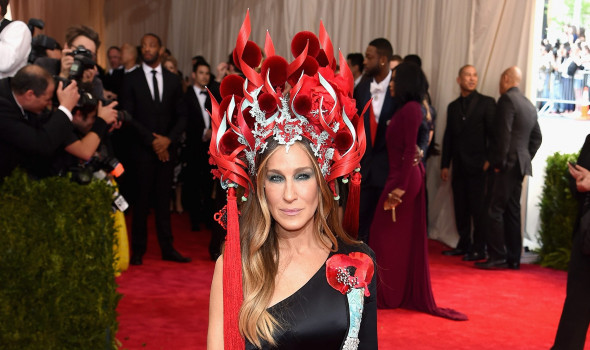
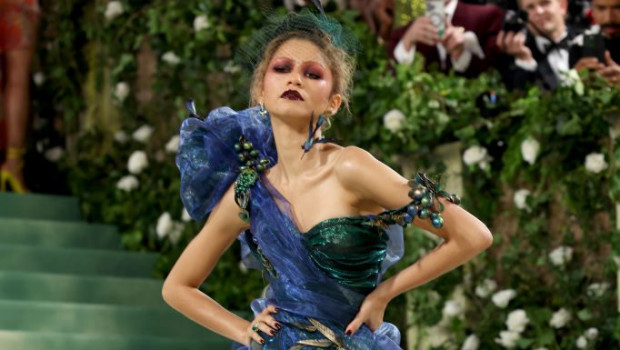
Celebrities often captivate audiences by deviating from conventional fashion norms, turning the red carpet into a space for pushing the boundaries of style. Examples of such bold experiments include Bjork’s swan dress or Lady Gaga’s meat dress, which go beyond fashion to provoke discussion and inspire creativity. These moments highlight fashion’s ability to convey individuality and challenge established notions. In addition to clothing, the choice of accessories and hairstyles also contribute to the overall aesthetic, solidifying the place of the look in fashion history. High-profile figures, well aware of their influential platforms, use clothing to engage audiences beyond mere aesthetics, embodying ideals and contributing to dialogue on larger cultural issues
The glamour of major events lies not only in their star-studded guest lists, but also in their function as global platforms for fashion expression. Stars use their appearances at events such as the Oscars, Grammys, and Cannes Film Festival to set fashion standards. Collaborations with renowned designers achieve sartorial magic, as seen in intricate embroidery and luxurious fabrics that sparkle under camera flashes. Red carpets further embody the fusion of tradition and modernity, where contemporary creative visions merge with classic aesthetic values. Furthermore, the resurgence of vintage styles, such as elegant Grace Kelly-inspired silhouettes adorned with modern accessories, not only celebrate but also breathe life into past fashion eras, intertwining nostalgia with modern chic. This harmonious blend of old and new contributes to the distinctive etiquette of the red carpet, where style becomes a visual narrative, celebrating both personal and shared stories. For a deeper understanding of the history of such an iconic event, explore the history of fashion on the Oscar red carpet.
Fashion on the red carpet invariably reflects the times, influencing and being influenced by broader cultural currents. Historical trends have seen the pendulum swing from the relaxed styles of the 90s, characterized by understated elegance, to the bold expression of 80s silhouettes that elevated fashion to a level of daring expression. Understanding these shifts provides context for contemporary choices on the red carpet, which often hint at previous decades while expanding boundaries. The current embrace of sustainable and ethically sourced fashion, for example, echoes the 70s emphasis on natural materials but adapts the ethos to modern ecological awareness. Each era leaves an indelible mark on the red carpet, a constantly evolving canvas showcasing progress from minimalist sleeves to voluminous ball gowns, from monochromatic palettes to vibrant hues. Celebrities are increasingly turning to sustainable fashion, as shown in these celebrities supporting sustainable fashion on the red carpet.
Celebrities often captivate audiences by deviating from conventional fashion norms, turning the red carpet into a space for pushing the boundaries of style. Examples of such bold experiments include Bjork’s swan dress or Lady Gaga’s meat dress, which go beyond fashion to provoke discussion and inspire creativity. These moments highlight fashion’s ability to convey individuality and challenge established notions. In addition to clothing, the choice of accessories and hairstyles also contribute to the overall aesthetic, solidifying the place of the look in fashion history. High-profile figures, well aware of their influential platforms, use clothing to engage audiences beyond mere aesthetics, embodying ideals and contributing to dialogue on larger cultural issues
© Zhinobaeva Margarita