Non-traditional wedding rings: a fashionable choice for modern couples
9 january 2025 в 03:13
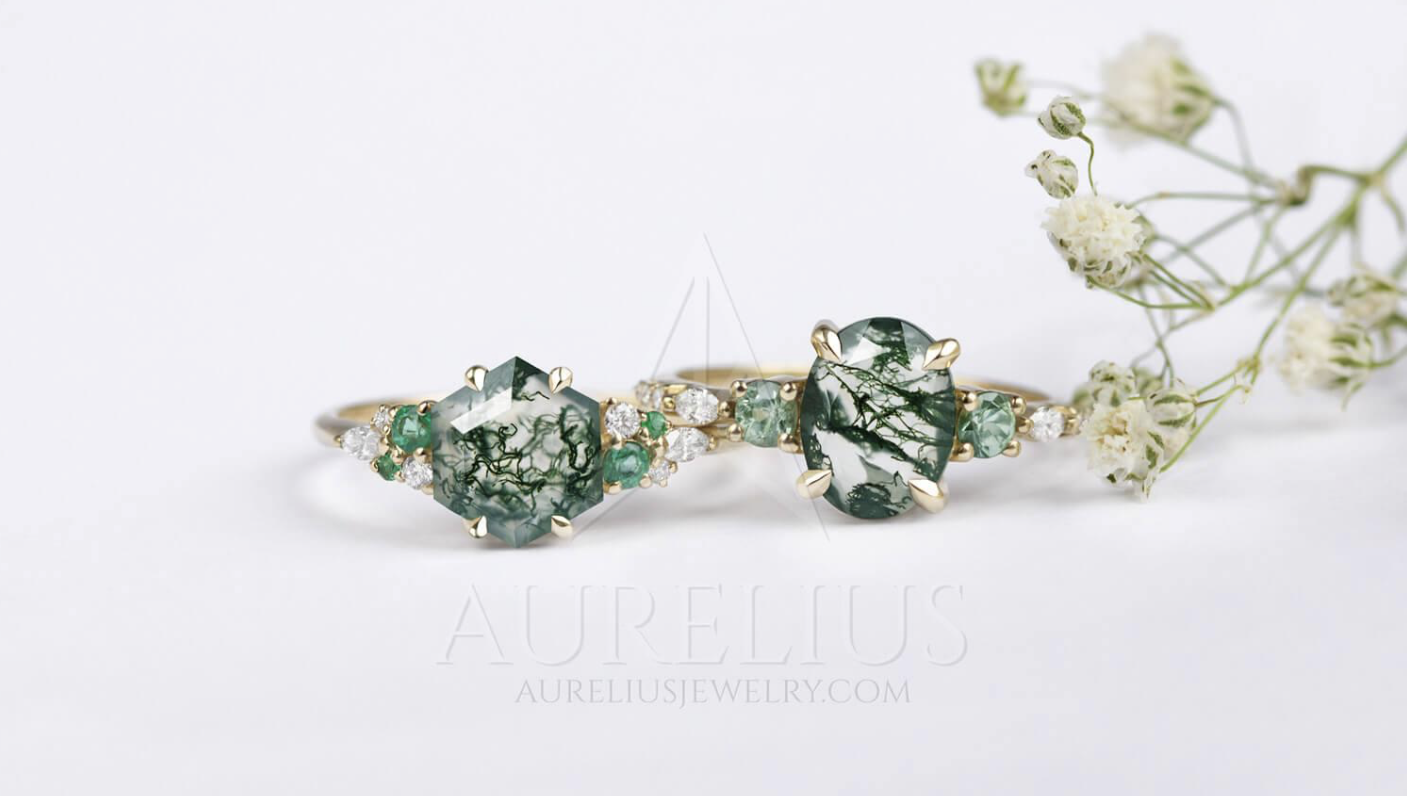
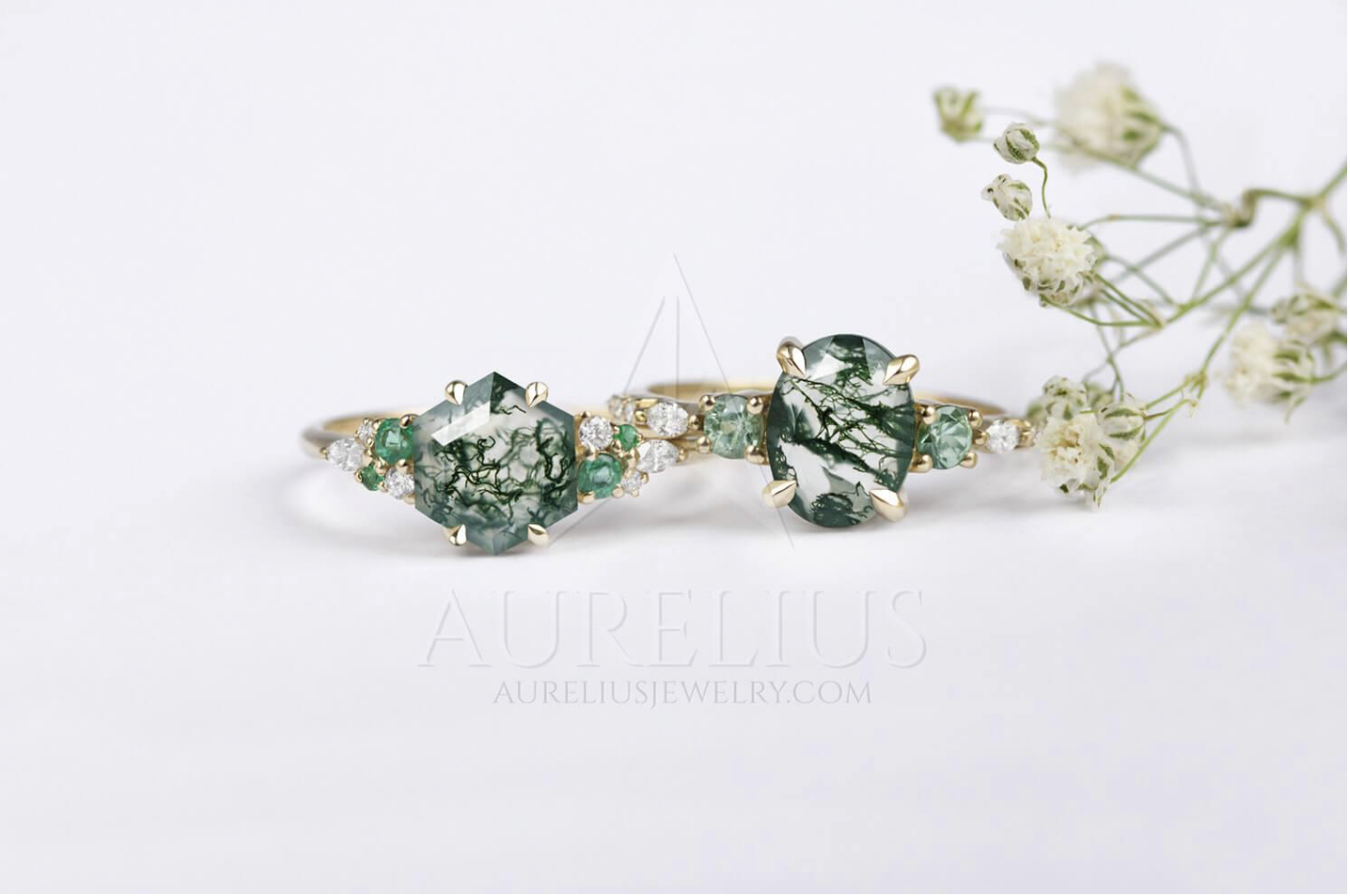
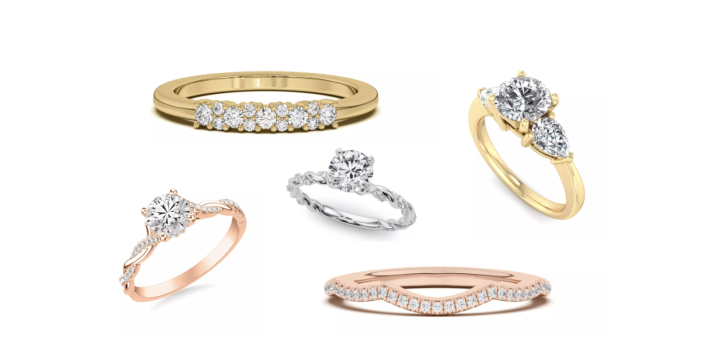
Imagine the perfect moment — intimate, natural, and absolutely romantic. Your life love gets down on one knee and pops the question, and there is no traditional diamond ring in sight. The idea of rejecting tradition may seem daunting at first, but you are not alone in this. Modern couples are increasingly opting out of tradition and making proposals with non-traditional rings. Finding a design that truly reflects their love and fits their lifestyle is not always easy.
More often than not, the choice of a non-traditional engagement ring is driven by personal style, design preferences, and practicality, rather than finances. This shift and the availability of creative alternatives to engagement rings allow couples to choose a ring that reflects their story and personality, often with a center stone that catches the eye and small diamonds for extra sparkle.
While diamonds have long been the main choice for engagement rings, a more modern trend is emerging. Sustainable gemstones, complemented by diamonds, are becoming increasingly popular. One of these modern alternative options to diamonds is alexandrites. They were first discovered in the Ural Mountains of Russia in the early 19th century and were named after the future Emperor Alexander II. The natural version of this color-changing stone is rare, so a lab-created, more affordable version is often used.
Lab-grown alexandrites with a hardness of 8.5 on the Mohs scale are very durable and suitable for everyday wear. Unlike mined alexandrites, engagement rings with lab-grown alexandrites do not have inclusions and conflicts, as they have minimal impact on the environment. This makes them highly desirable among modern couples looking for a colorful ring that reflects their ecological values.
Your choice of metal to accompany the alexandrite can create a different aesthetic. You can’t go wrong with choosing yellow or rose gold for a warmer, vintage look. However, for creating a contrast with the color-changing stone, the right choice would be the cool tone of platinum or white gold.
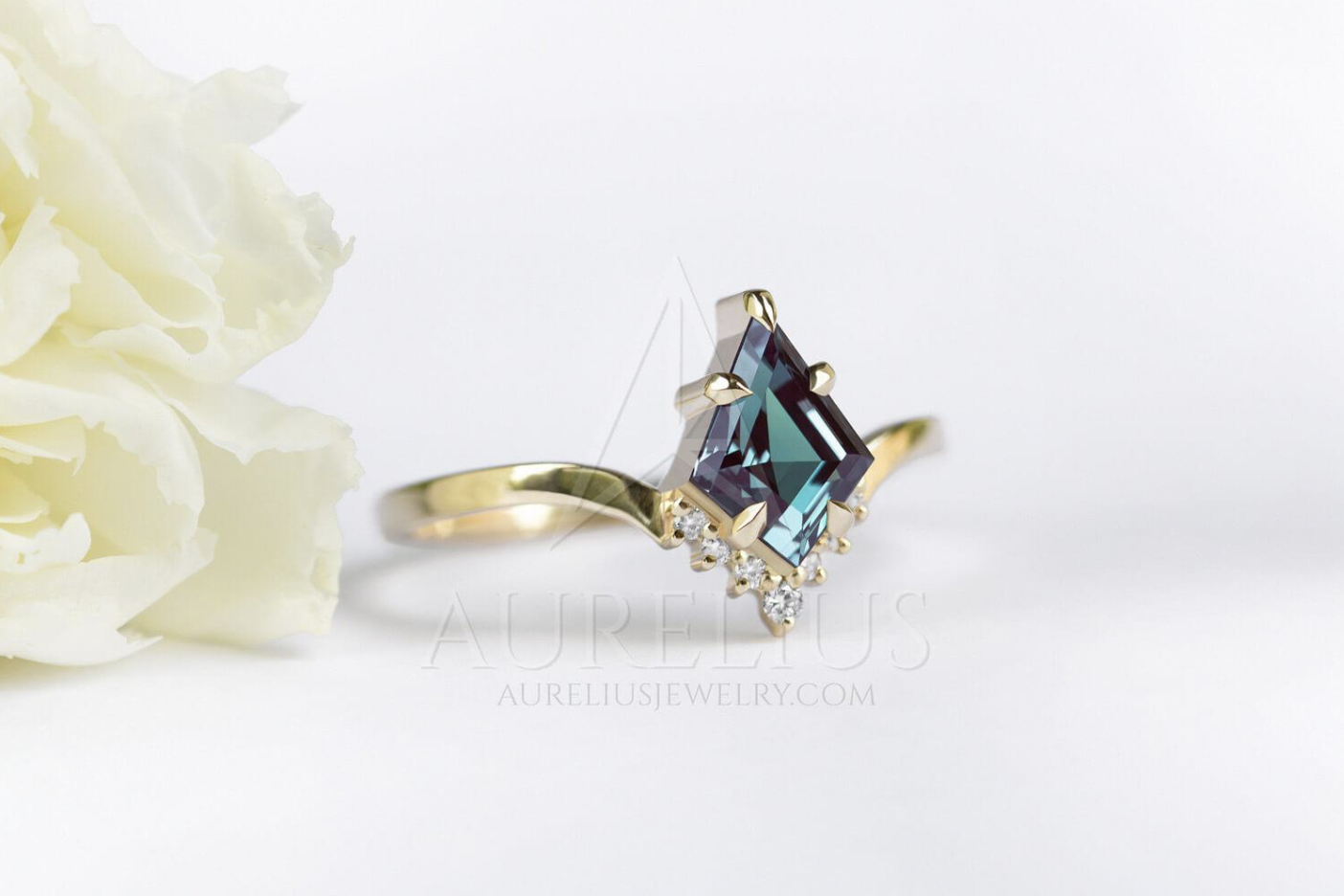
Alexandrites, chosen as the birthstone for Geminis, pair well with all types of engagement ring styles, from elegant and simple solitaires to bold, attention-grabbing geometrics, such as a ring with an alexandrite in the shape of a flying dragon. Small white diamonds frame the base of the dragon, adding extra length and sparkle on the shorter side. The unique shape of the band also makes it easy to stack with multiple bands, such as chevrons and open engagement rings.
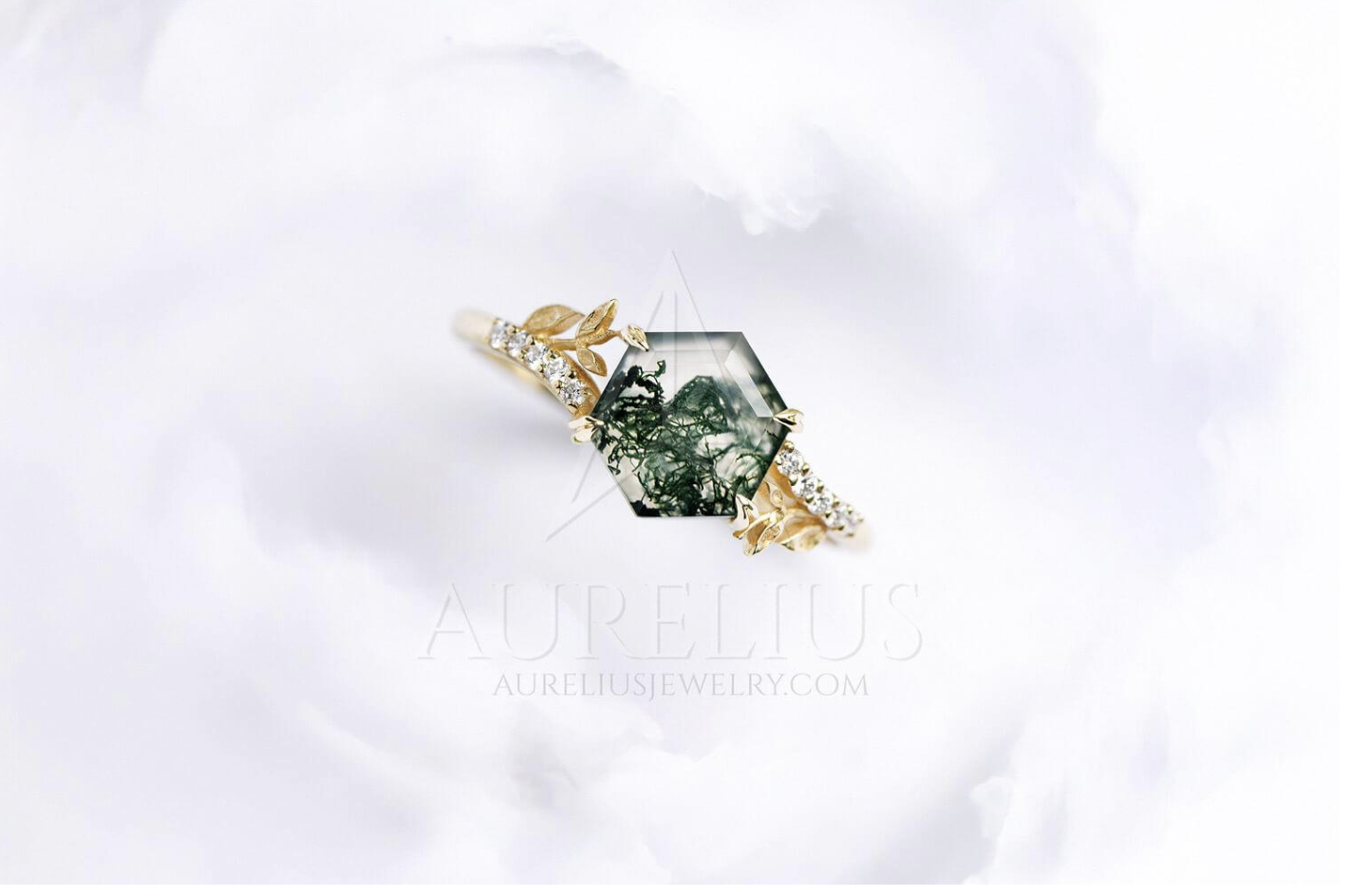
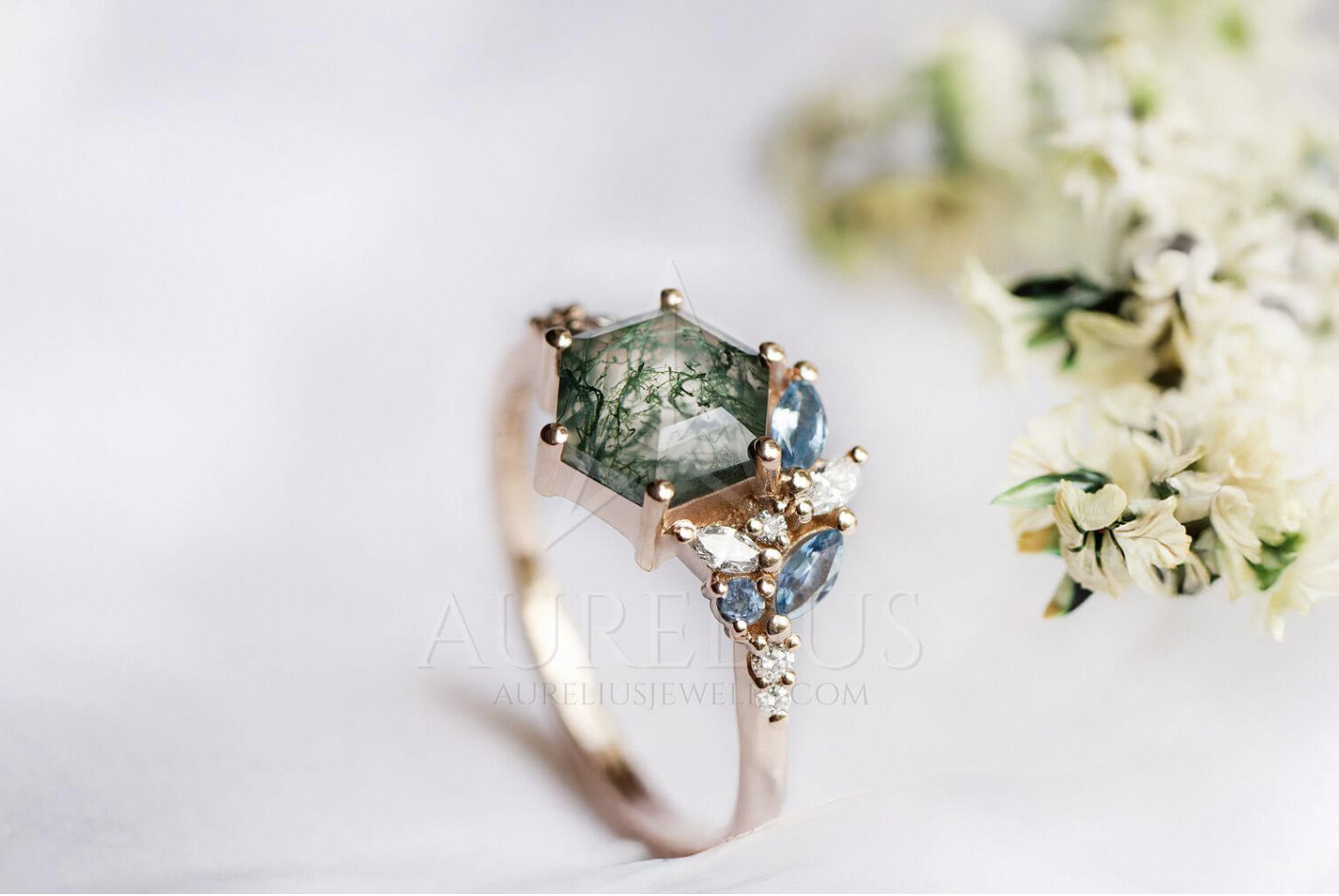
Geometric stones with a flat bottom allow for incredibly comfortable rings with a low profile. One such design that truly stands out is an engagement ring with a hexagonal alexandrite with leaves and a diamond pavé. Details inspired by nature will make you admire it, and you may never stop looking at your hand.
The main stone is secured by four heart-shaped prongs located at the outer corners, leaving the top and bottom tips open. This creates a more open setting that allows as much light as possible to pass through the stone and illuminate the mossy inclusions
More often than not, the choice of a non-traditional engagement ring is driven by personal style, design preferences, and practicality, rather than finances. This shift and the availability of creative alternatives to engagement rings allow couples to choose a ring that reflects their story and personality, often with a center stone that catches the eye and small diamonds for extra sparkle.
While diamonds have long been the main choice for engagement rings, a more modern trend is emerging. Sustainable gemstones, complemented by diamonds, are becoming increasingly popular. One of these modern alternative options to diamonds is alexandrites. They were first discovered in the Ural Mountains of Russia in the early 19th century and were named after the future Emperor Alexander II. The natural version of this color-changing stone is rare, so a lab-created, more affordable version is often used.
Lab-grown alexandrites with a hardness of 8.5 on the Mohs scale are very durable and suitable for everyday wear. Unlike mined alexandrites, engagement rings with lab-grown alexandrites do not have inclusions and conflicts, as they have minimal impact on the environment. This makes them highly desirable among modern couples looking for a colorful ring that reflects their ecological values.
Your choice of metal to accompany the alexandrite can create a different aesthetic. You can’t go wrong with choosing yellow or rose gold for a warmer, vintage look. However, for creating a contrast with the color-changing stone, the right choice would be the cool tone of platinum or white gold.
Alexandrites, chosen as the birthstone for Geminis, pair well with all types of engagement ring styles, from elegant and simple solitaires to bold, attention-grabbing geometrics, such as a ring with an alexandrite in the shape of a flying dragon. Small white diamonds frame the base of the dragon, adding extra length and sparkle on the shorter side. The unique shape of the band also makes it easy to stack with multiple bands, such as chevrons and open engagement rings.
Geometric stones with a flat bottom allow for incredibly comfortable rings with a low profile. One such design that truly stands out is an engagement ring with a hexagonal alexandrite with leaves and a diamond pavé. Details inspired by nature will make you admire it, and you may never stop looking at your hand.
The main stone is secured by four heart-shaped prongs located at the outer corners, leaving the top and bottom tips open. This creates a more open setting that allows as much light as possible to pass through the stone and illuminate the mossy inclusions
© Kolganov Andrey