Netherlands: How Strict Regulations Improved Online Casinos
6 may 2026 в 16:37
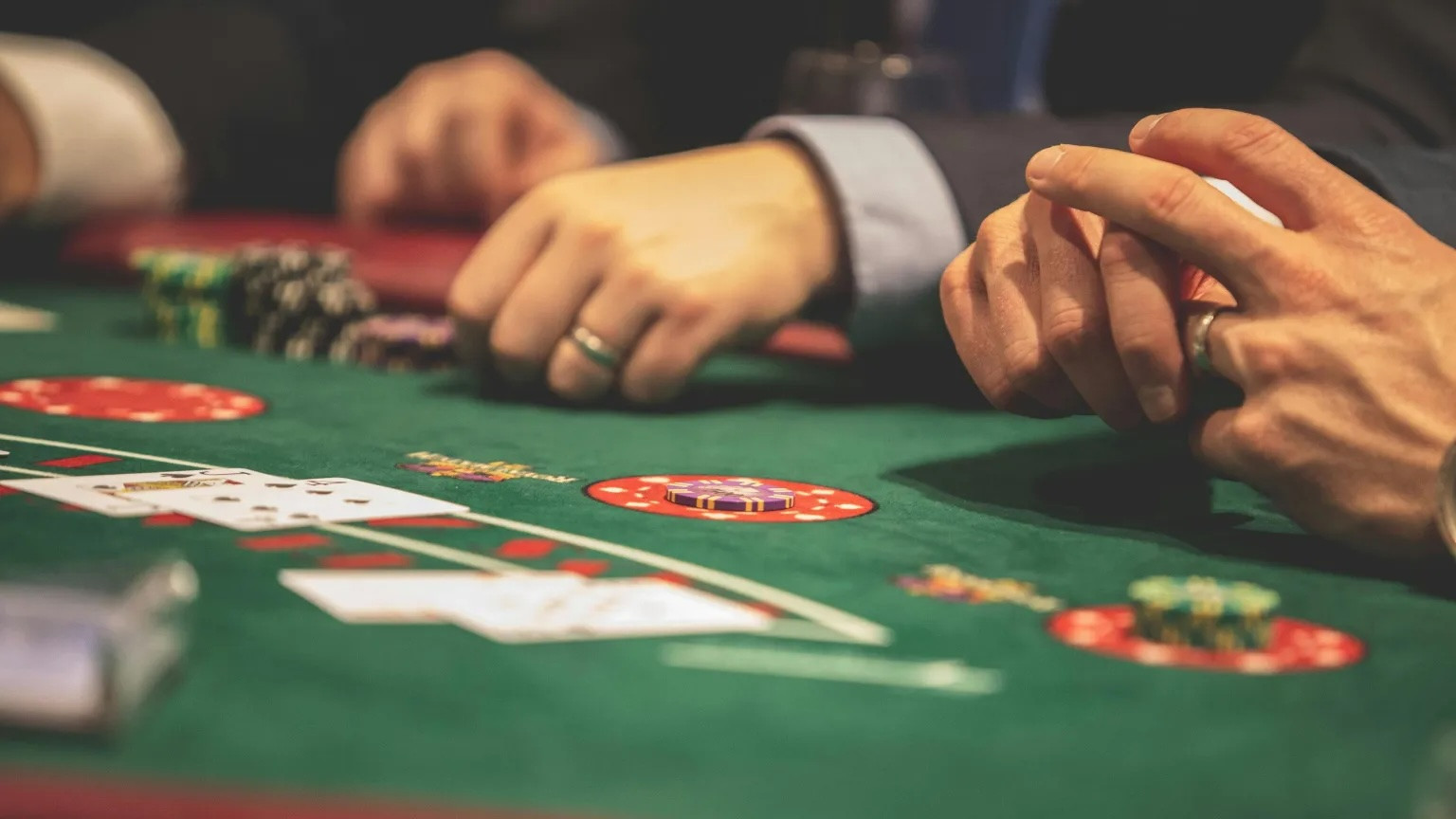
The Netherlands is underrated. While the world was focused on the spectacles of Las Vegas and celebrity poker tournaments, the Dutch quietly built one of the most developed online casino audiences in Europe, and the platforms vying for their attention have improved.
Online gaming in the Netherlands was fully legalized under the Remote Gambling Act in October 2021. Since then, the market has rapidly evolved. If you want to understand what an experienced casino player can expect today—streamlined processes, cinematic game designs, and platforms that take player safety seriously—LatinTimes' guide to the Dutch casino market will be an excellent starting point for grasping how high these expectations are.
Historically, the Netherlands has been cautious regarding gambling. For decades, Holland Casino held a state monopoly on land-based gaming. When the Kansspelautoriteit (KSA)—the Dutch Gambling Authority—opened the online market in 2021 with strict licensing requirements, it did not become a free market. Operators had to meet stringent standards regarding age verification, responsible gaming tools, and advertising restrictions before they could legally offer even a single spin.
The result? Players who were introduced to online gambling through regulated, professionally managed platforms from day one. There was no «wild west» era here. Dutch players never encountered dubious offshore sites in search of a worthy slot. They entered a curated, responsible market—and their expectations reflect this upbringing.
This is where it gets interesting for those following trends in the entertainment sector.
Dutch casino players have become some of the most demanding in Europe. They are not just looking for a deposit bonus—they want the full package. Cinematic slots from developers like NetEnt and Play’n GO, live dealer tables, and gaming lobbies that resemble a Netflix interface more than a fruit machine.
The intersection with entertainment culture is genuine. As collaborations between Hollywood and the online casino world have shown, game developers actively borrow ideas from film and music—and Dutch players, raised on internationally recognized cinema and streaming culture, notice the difference between a thoughtfully crafted gaming experience and cheap knock-offs.
Platforms that succeed in the Dutch market tend to view games as content. Slot libraries with more than 4,000 titles. Partnerships with game brands. Live casino studios that create an atmosphere more akin to a film set than a studio. This entertainment-focused approach is applied to gambling.
It may seem contradictory—stricter rules make everything better—but the Dutch experience is an example worth paying attention to.
The KSA’s licensing system requires operators to implement CRUKS (Centraal Register Uitsluiting Kansspelen), a national self-exclusion register that prevents problem players from accessing any licensed platforms. This is one of the most comprehensive player protection systems in Europe. Operators also face strict advertising rules: no celebrity endorsements aimed at glamorizing gambling, no bonuses targeting vulnerable players, and mandatory default spending limits.
The effect on the market has been filtering. Operators that could not or did not want to meet these standards have exited. As a result, a smaller but higher-quality group of platforms remains, competing on truly important parameters: game variety, payout speed, customer support, and product quality.
For entertainment-oriented players who want to spend an evening gaming without feeling manipulated, such an environment will be preferable
Online gaming in the Netherlands was fully legalized under the Remote Gambling Act in October 2021. Since then, the market has rapidly evolved. If you want to understand what an experienced casino player can expect today—streamlined processes, cinematic game designs, and platforms that take player safety seriously—LatinTimes' guide to the Dutch casino market will be an excellent starting point for grasping how high these expectations are.
Historically, the Netherlands has been cautious regarding gambling. For decades, Holland Casino held a state monopoly on land-based gaming. When the Kansspelautoriteit (KSA)—the Dutch Gambling Authority—opened the online market in 2021 with strict licensing requirements, it did not become a free market. Operators had to meet stringent standards regarding age verification, responsible gaming tools, and advertising restrictions before they could legally offer even a single spin.
The result? Players who were introduced to online gambling through regulated, professionally managed platforms from day one. There was no «wild west» era here. Dutch players never encountered dubious offshore sites in search of a worthy slot. They entered a curated, responsible market—and their expectations reflect this upbringing.
This is where it gets interesting for those following trends in the entertainment sector.
Dutch casino players have become some of the most demanding in Europe. They are not just looking for a deposit bonus—they want the full package. Cinematic slots from developers like NetEnt and Play’n GO, live dealer tables, and gaming lobbies that resemble a Netflix interface more than a fruit machine.
The intersection with entertainment culture is genuine. As collaborations between Hollywood and the online casino world have shown, game developers actively borrow ideas from film and music—and Dutch players, raised on internationally recognized cinema and streaming culture, notice the difference between a thoughtfully crafted gaming experience and cheap knock-offs.
Platforms that succeed in the Dutch market tend to view games as content. Slot libraries with more than 4,000 titles. Partnerships with game brands. Live casino studios that create an atmosphere more akin to a film set than a studio. This entertainment-focused approach is applied to gambling.
It may seem contradictory—stricter rules make everything better—but the Dutch experience is an example worth paying attention to.
The KSA’s licensing system requires operators to implement CRUKS (Centraal Register Uitsluiting Kansspelen), a national self-exclusion register that prevents problem players from accessing any licensed platforms. This is one of the most comprehensive player protection systems in Europe. Operators also face strict advertising rules: no celebrity endorsements aimed at glamorizing gambling, no bonuses targeting vulnerable players, and mandatory default spending limits.
The effect on the market has been filtering. Operators that could not or did not want to meet these standards have exited. As a result, a smaller but higher-quality group of platforms remains, competing on truly important parameters: game variety, payout speed, customer support, and product quality.
For entertainment-oriented players who want to spend an evening gaming without feeling manipulated, such an environment will be preferable
© Smirnova Olga