
The translation of the text is: «A new era of instant entertainment: users demand speed»
28 may 2026 в 16:13
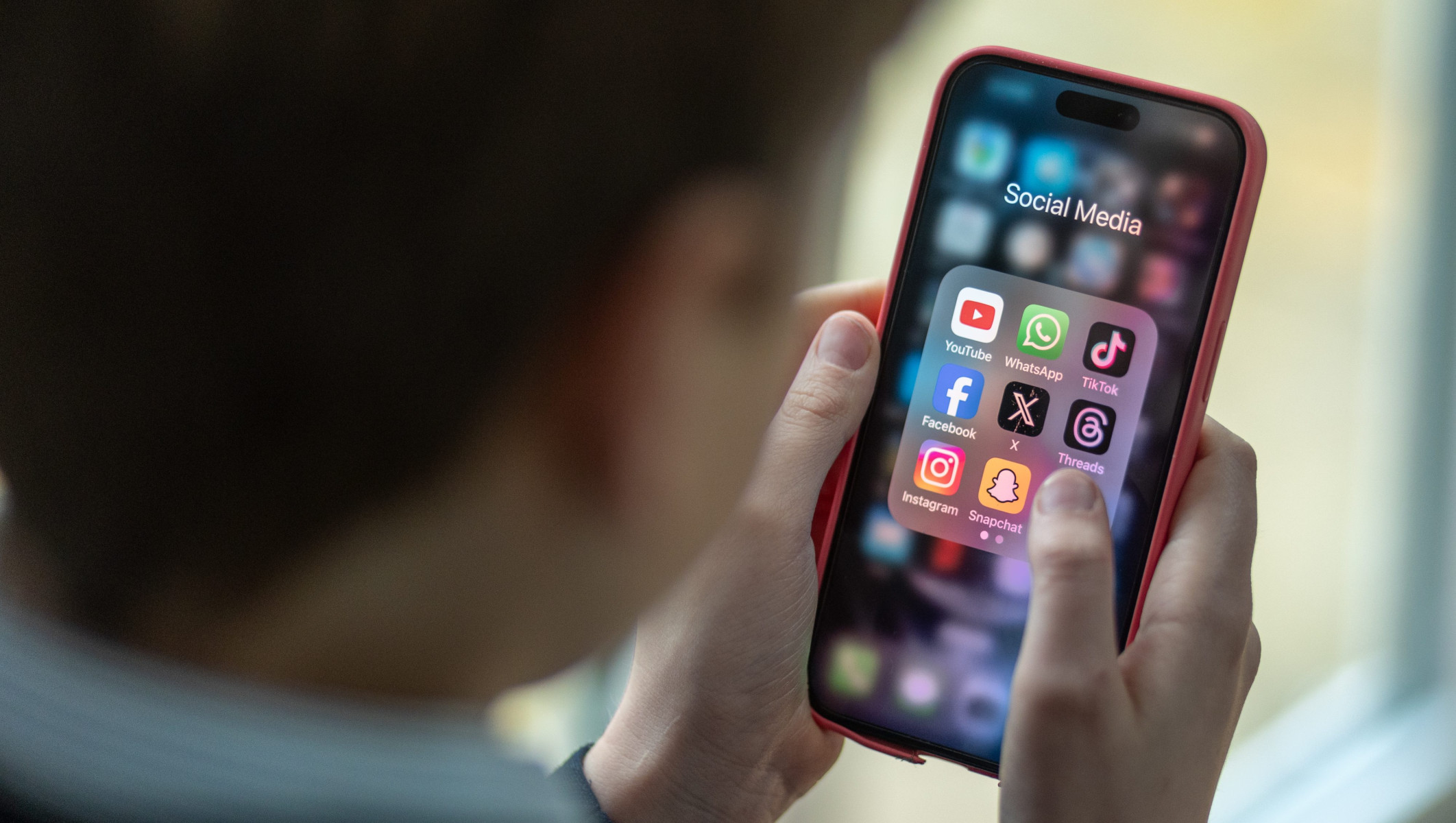
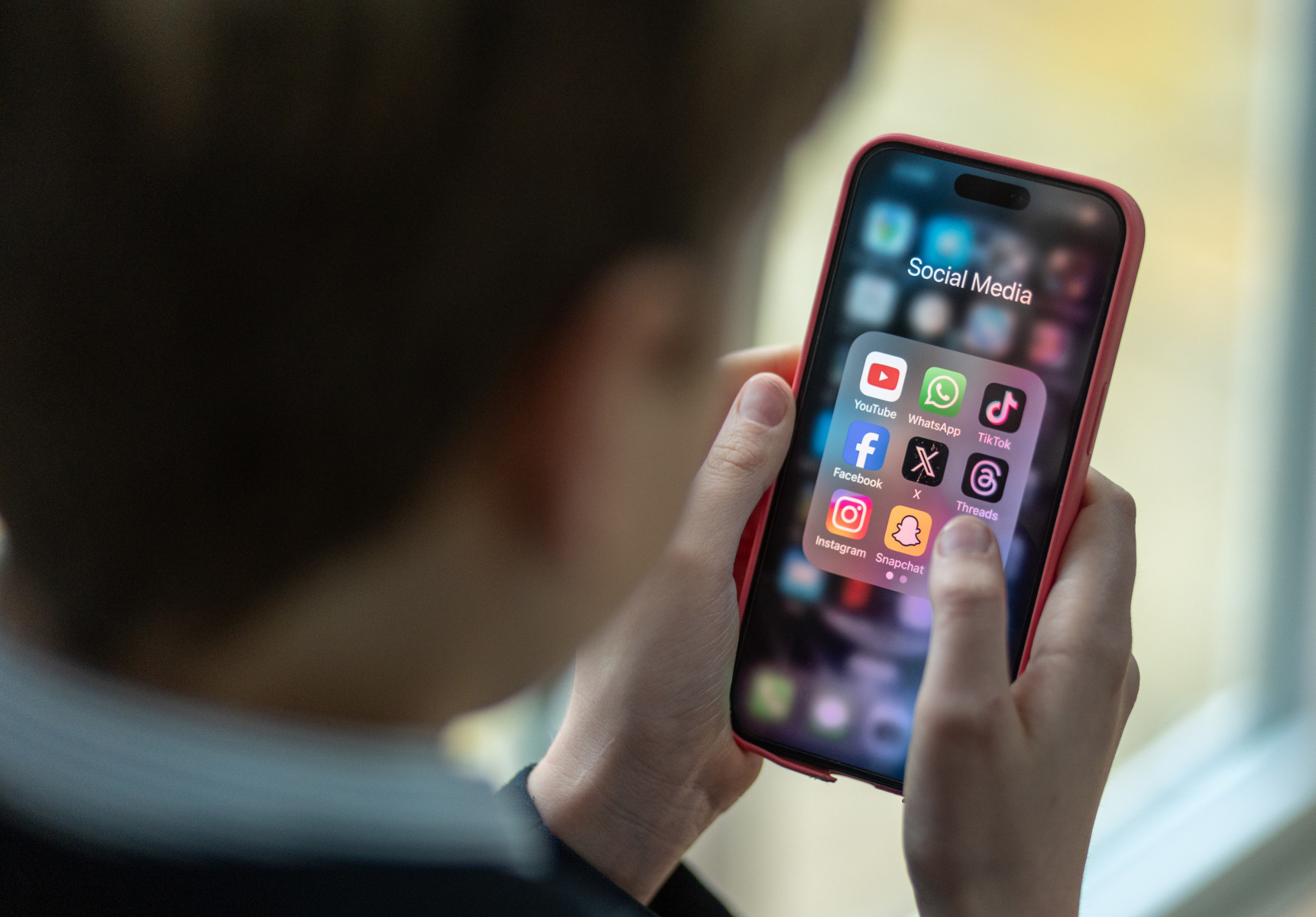
People no longer tolerate waiting. Whether it’s loading times, subscription delays, or complicated registration processes, any obstacles in the entertainment sector become a decisive factor. The shift to instant, on-demand experiences represents a structural change in how digital culture operates. Platforms, developers, and service providers that understand this are thriving, while those who do not are losing users at an increasing rate.
Human attention has always been selective, but the digital environment has amplified this selectivity to the extreme. When a person picks up their phone to watch, play, or listen to something, the window for decision-making is surprisingly short.
Consumer behavior research consistently shows that if a platform does not provide value within the first few seconds, users leave. This is not impatience in the traditional sense; it is a rational response to an environment where alternatives are just a click away.
The brain’s reward system plays a central role here. Instant entertainment is designed to trigger small, frequent dopamine releases: satisfying animations, quick victories, perfectly timed jokes, smooth transitions between content. These micro-rewards shape habitual behavior. Over time, users associate certain platforms with a sense of immediate gratification, significantly enhancing loyalty compared to the quality of content.
There is also a comfort aspect. When people experience stress, boredom, or mental exhaustion, they turn to entertainment that requires minimal effort to start. The lower the barrier to entry, the more likely someone is to engage. This is why autoplay features, one-click access, and simplified interfaces have become industry standards rather than mere enhancements.
Given the development of intelligent entertainment systems and the platforms that support them, several different and popular types of instant entertainment are emerging worldwide.
In the United States, one of the most dominant forms is short-form video content, largely driven by platforms like TikTok and Instagram Reels. The format is deceptively simple: videos rarely exceed sixty seconds, they are algorithmically presented based on viewing behavior, and the feed is essentially endless.
The user does not seek out content; the content finds them. What makes this format so effective as instant entertainment is that it requires no commitment. There’s no need to follow a plot, remember characters, or spend time building context. Each video is self-contained and immediately grabs attention or can be skipped.
In Europe, particularly in Finland, a completely different type of instant entertainment has emerged based on online casinos. The so-called «pikakasinot», - or instant casino platforms, have redefined what seamless gaming looks like. These platforms eliminate traditional barriers that once made online gambling cumbersome: lengthy registration processes, slow withdrawal times, and delays in identity verification. Instead, these sites allow players to log in using their online banking details, instantly deposit funds, and access games within minutes. Withdrawals are also processed just as quickly. The result is a gaming experience focused solely on the player’s enjoyment, rather than administrative hurdles.
South Korea offers a compelling third example that falls into an entirely different category: live streaming and interactive broadcasting. Platforms like AfreecaTV and the local adaptation of streaming culture have turned real-time content into a social event. The South Korean audience tunes in to watch hosts, known as «streamers», - who play games, cook, travel, chat, or simply sit in front of the camera for hours. What makes this instant entertainment unique is not the speed of the content itself, but the immediacy of interaction. Viewers send comments, virtual gifts, and real-time reactions
Human attention has always been selective, but the digital environment has amplified this selectivity to the extreme. When a person picks up their phone to watch, play, or listen to something, the window for decision-making is surprisingly short.
Consumer behavior research consistently shows that if a platform does not provide value within the first few seconds, users leave. This is not impatience in the traditional sense; it is a rational response to an environment where alternatives are just a click away.
The brain’s reward system plays a central role here. Instant entertainment is designed to trigger small, frequent dopamine releases: satisfying animations, quick victories, perfectly timed jokes, smooth transitions between content. These micro-rewards shape habitual behavior. Over time, users associate certain platforms with a sense of immediate gratification, significantly enhancing loyalty compared to the quality of content.
There is also a comfort aspect. When people experience stress, boredom, or mental exhaustion, they turn to entertainment that requires minimal effort to start. The lower the barrier to entry, the more likely someone is to engage. This is why autoplay features, one-click access, and simplified interfaces have become industry standards rather than mere enhancements.
Given the development of intelligent entertainment systems and the platforms that support them, several different and popular types of instant entertainment are emerging worldwide.
In the United States, one of the most dominant forms is short-form video content, largely driven by platforms like TikTok and Instagram Reels. The format is deceptively simple: videos rarely exceed sixty seconds, they are algorithmically presented based on viewing behavior, and the feed is essentially endless.
The user does not seek out content; the content finds them. What makes this format so effective as instant entertainment is that it requires no commitment. There’s no need to follow a plot, remember characters, or spend time building context. Each video is self-contained and immediately grabs attention or can be skipped.
In Europe, particularly in Finland, a completely different type of instant entertainment has emerged based on online casinos. The so-called «pikakasinot», - or instant casino platforms, have redefined what seamless gaming looks like. These platforms eliminate traditional barriers that once made online gambling cumbersome: lengthy registration processes, slow withdrawal times, and delays in identity verification. Instead, these sites allow players to log in using their online banking details, instantly deposit funds, and access games within minutes. Withdrawals are also processed just as quickly. The result is a gaming experience focused solely on the player’s enjoyment, rather than administrative hurdles.
South Korea offers a compelling third example that falls into an entirely different category: live streaming and interactive broadcasting. Platforms like AfreecaTV and the local adaptation of streaming culture have turned real-time content into a social event. The South Korean audience tunes in to watch hosts, known as «streamers», - who play games, cook, travel, chat, or simply sit in front of the camera for hours. What makes this instant entertainment unique is not the speed of the content itself, but the immediacy of interaction. Viewers send comments, virtual gifts, and real-time reactions
© Artemenko Olga