
NASA discovery: planet K2−18b may be habitable!
17 april 2025 в 18:13
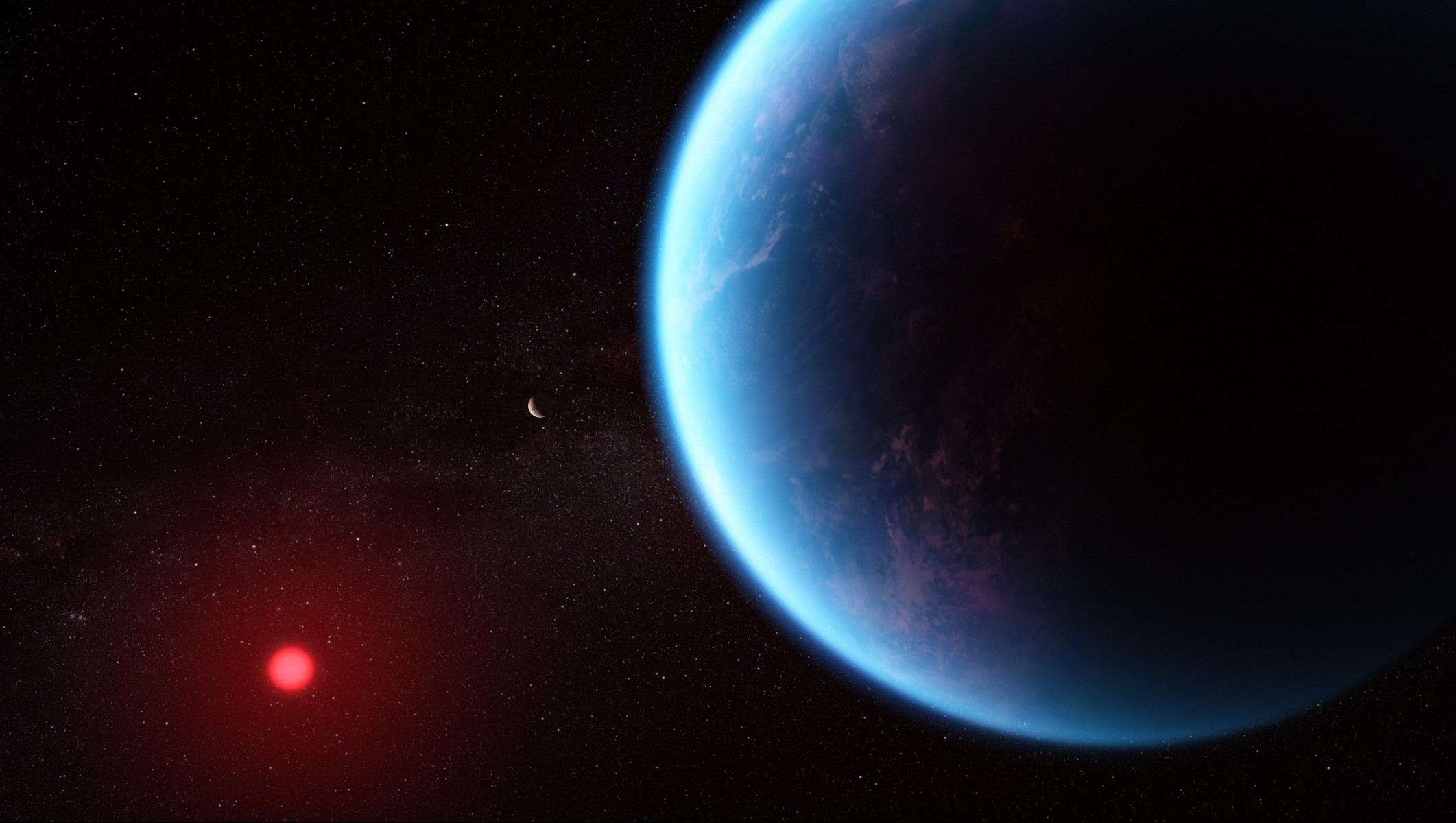
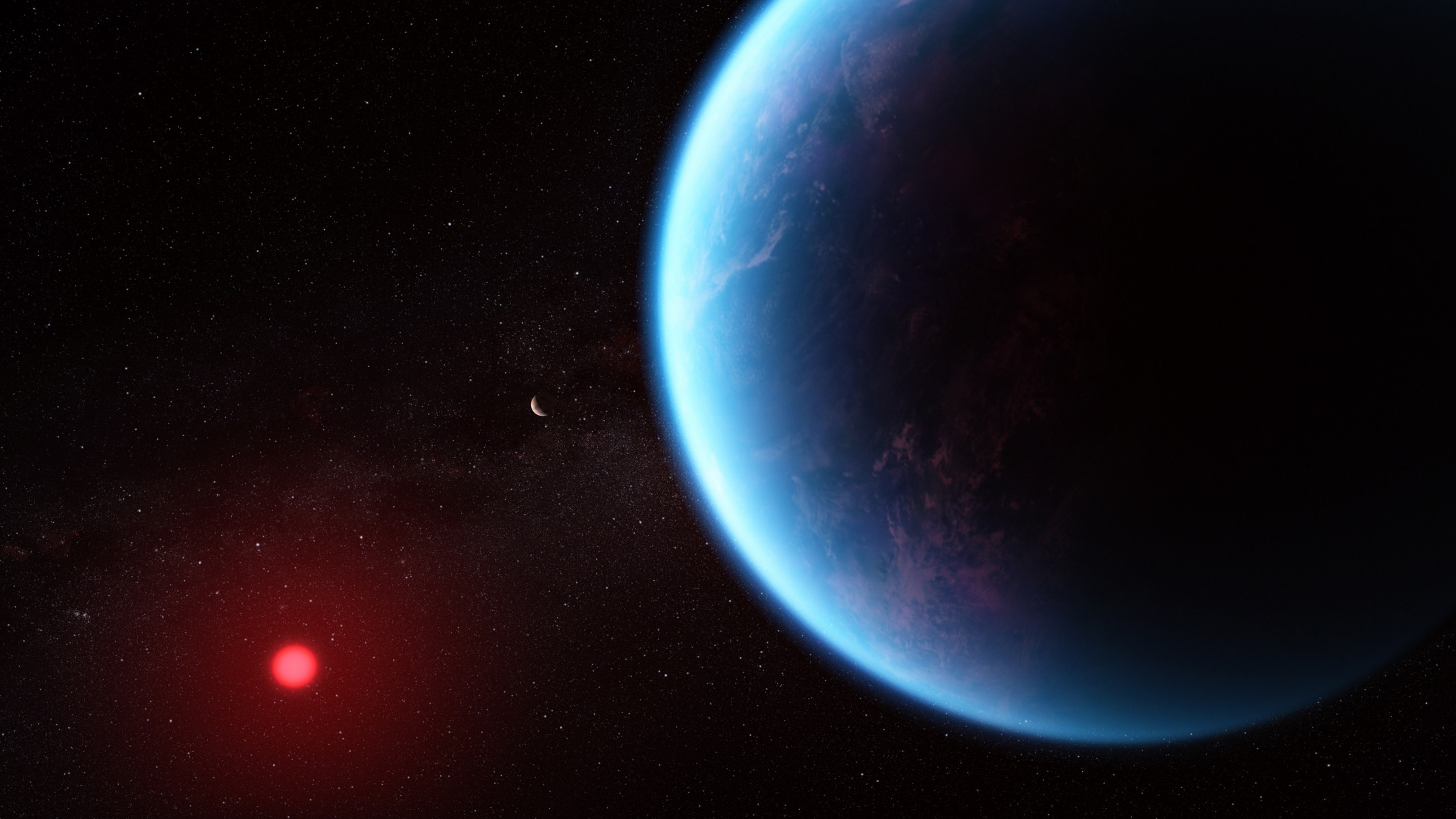
K2−18b is an exoplanet located approximately 120 light-years from Earth in the constellation of Leo. It was discovered in 2015 by NASA’s Kepler mission, which showed that planets beyond our solar system are so common that there are actually more of them than stars.
Roughly between the size of Earth and Neptune, K2−18b orbits within the habitable zone of its star — the region where conditions could allow for liquid water to exist. It is classified as a «Gicean» planet, a relatively new category in which it is assumed to have an atmosphere rich in hydrogen and global oceans, making them strong candidates in the search for extraterrestrial life.
Possibly — and scientists are intrigued.
In 2023, NASA’s James Webb Space Telescope detected carbon-containing molecules such as methane and carbon dioxide in the atmosphere of K2−18b, both considered potential indicators of biological processes. More recently, a new study led by Dr. Madhusudhan reported the discovery of dimethyl sulfide (DMS) and dimethyldisulfide (DMDS) — compounds that on Earth are produced exclusively by living organisms, such as marine phytoplankton.
Although the results are far from confirming extraterrestrial life, they suggest that K2−18b may have the right ingredients for habitability. «No one is interested in prematurely claiming that we have found life», - said Dr. Madhusudhan at a press conference on April 15. However, he expressed cautious excitement, adding: «These are the first hints that life may exist on this planet. This is a revolutionary moment. This is the first time humanity has seen potential biosignatures on a habitable planet».
We do not know for sure, but the probabilities are compelling. With billions of galaxies, each containing billions of stars and planets, most scientists believe that it is statistically likely that life exists somewhere beyond Earth
Roughly between the size of Earth and Neptune, K2−18b orbits within the habitable zone of its star — the region where conditions could allow for liquid water to exist. It is classified as a «Gicean» planet, a relatively new category in which it is assumed to have an atmosphere rich in hydrogen and global oceans, making them strong candidates in the search for extraterrestrial life.
Possibly — and scientists are intrigued.
In 2023, NASA’s James Webb Space Telescope detected carbon-containing molecules such as methane and carbon dioxide in the atmosphere of K2−18b, both considered potential indicators of biological processes. More recently, a new study led by Dr. Madhusudhan reported the discovery of dimethyl sulfide (DMS) and dimethyldisulfide (DMDS) — compounds that on Earth are produced exclusively by living organisms, such as marine phytoplankton.
Although the results are far from confirming extraterrestrial life, they suggest that K2−18b may have the right ingredients for habitability. «No one is interested in prematurely claiming that we have found life», - said Dr. Madhusudhan at a press conference on April 15. However, he expressed cautious excitement, adding: «These are the first hints that life may exist on this planet. This is a revolutionary moment. This is the first time humanity has seen potential biosignatures on a habitable planet».
We do not know for sure, but the probabilities are compelling. With billions of galaxies, each containing billions of stars and planets, most scientists believe that it is statistically likely that life exists somewhere beyond Earth
© Puhova Marina