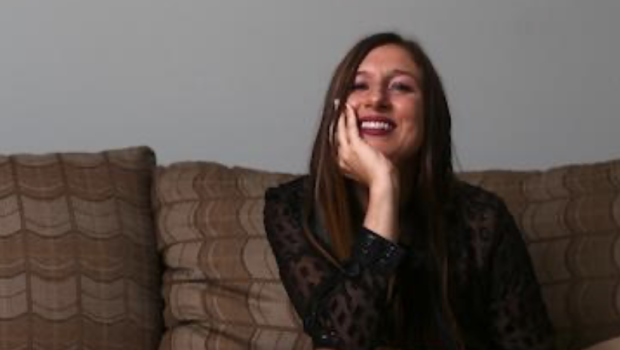
The transition from parody to adult content: the history of Sarothica
3 june 2026 в 21:37
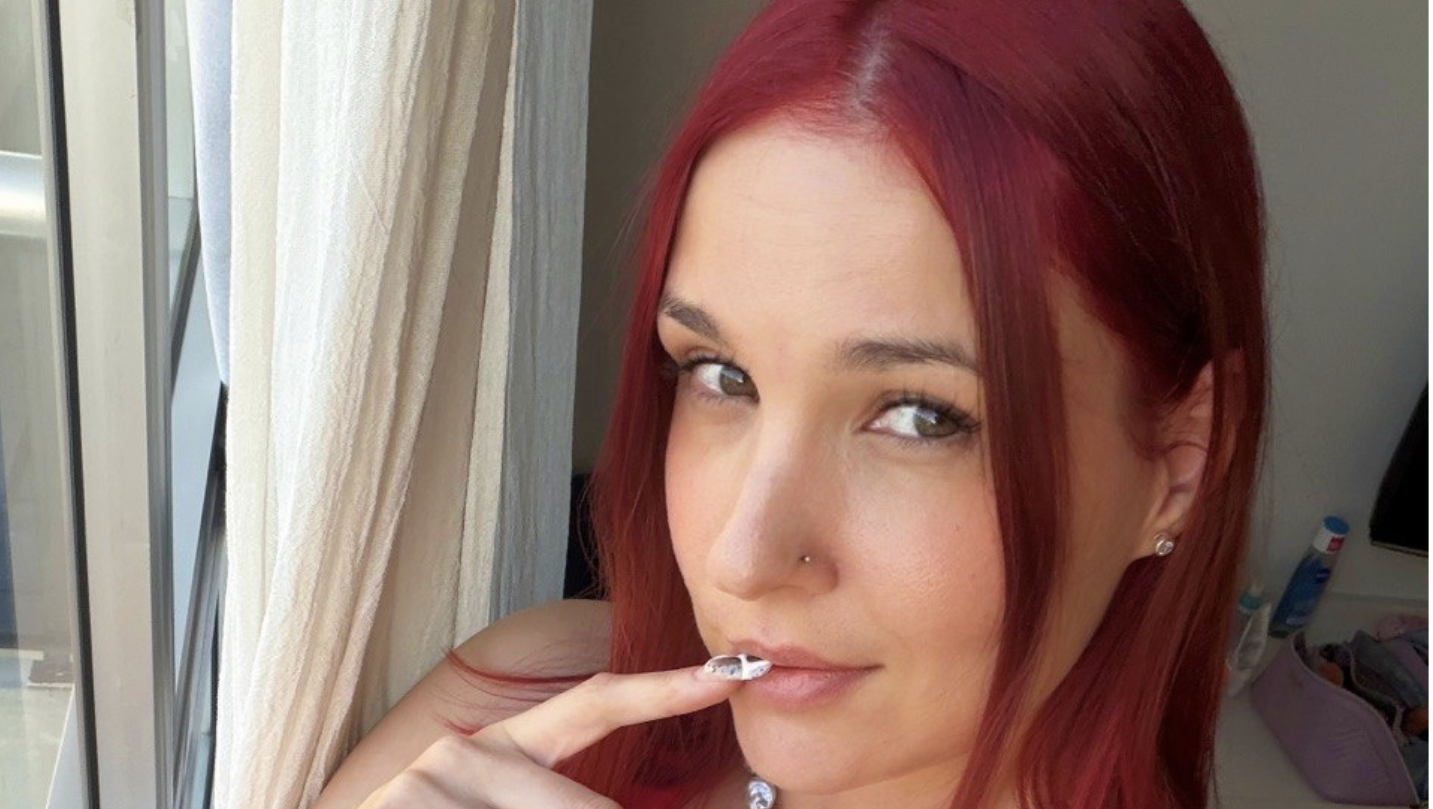
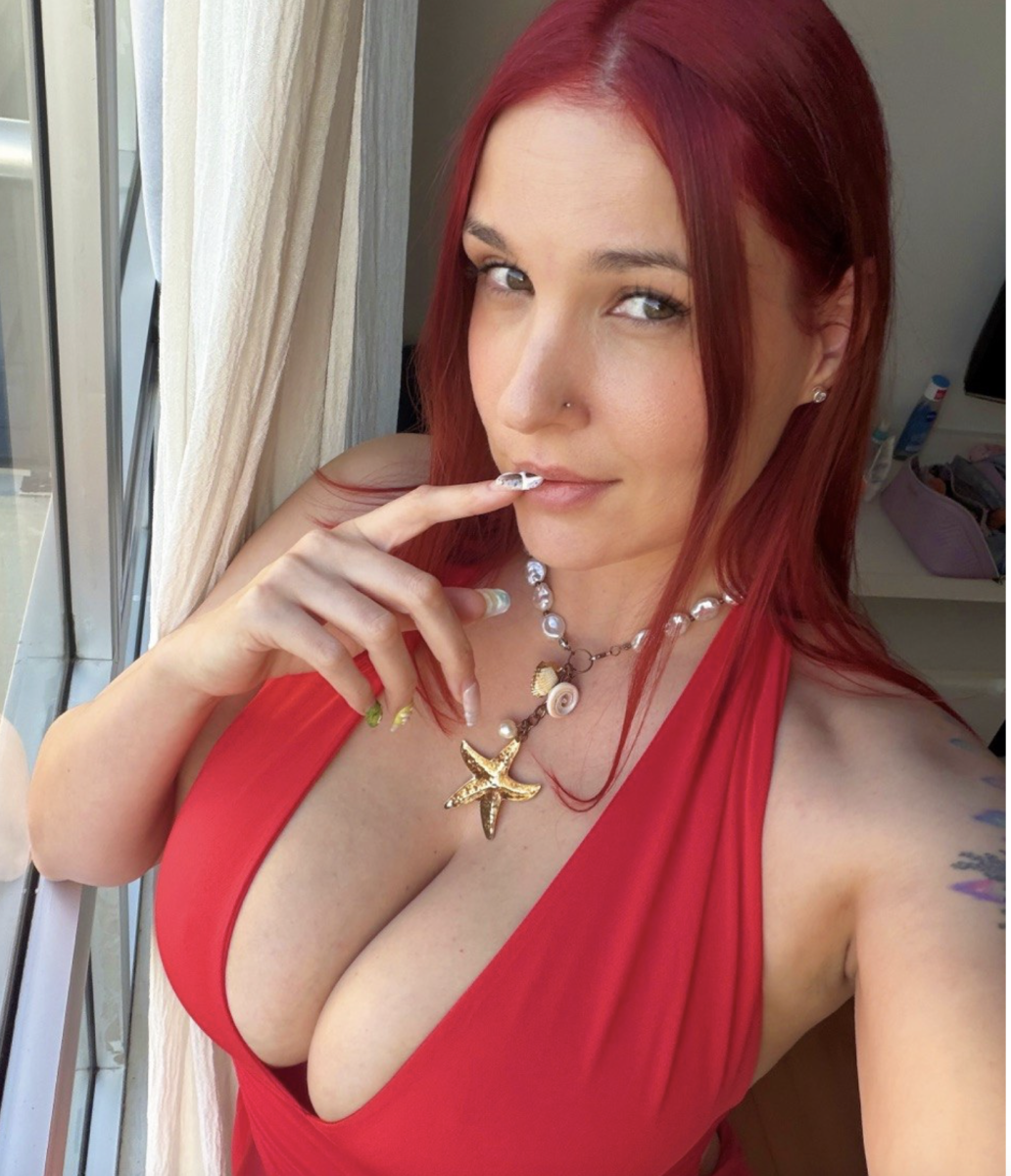
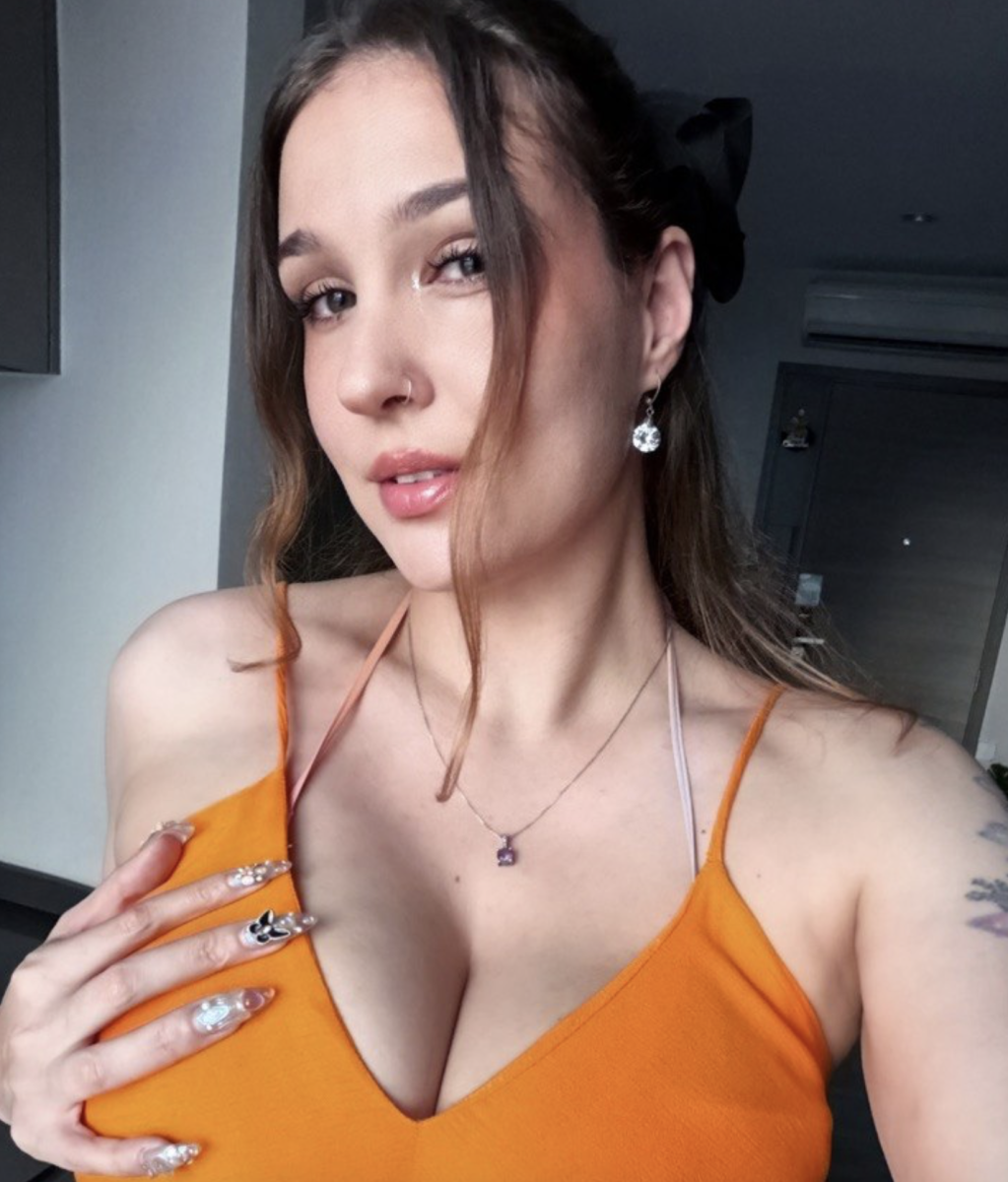
What happens when you become what you have parodied for many years?
Popular online creator Saratika built her online identity by mocking internet culture long before she became a part of it herself.
On Twitch, she became known for her comedic streams that parodied the rising wave of bikini and jacuzzi streamers. The humor was intentionally exaggerated. She employed awkward characters, fake flirting, and over-the-top internet stereotypes that viewers instantly recognized.
One of her recurring jokes involved teasing a «bikini stream» for several hours, only for the camera to reveal a floating bikini, lonely in the bathtub. Another example was her «Sister Sara» streams, where viewers could call in and confess exaggerated online «sins».
For an audience familiar with her career as a parody streamer on Twitch, the appeal was obvious. Saratika understood internet culture because she spent years studying how online audiences react to attention, performances, and scandals.
Before becoming known as a streamer turned adult creator, her content heavily relied on interaction and improvisation. She played the saxophone during streams, created characters, and viewed live streaming as a live comedy unfolding in real-time.
But behind the jokes lay an exhausting schedule.
Live streaming rewards creators who are constantly online. Visibility depends on consistency, audience engagement, and continuous content across multiple platforms.
Saratika openly discussed the burnout that followed. At one point, she was streaming up to 16 hours a day and rarely took days off.
For viewers wondering why streamers leave Twitch, her experience reflects a broader issue in creator culture. Many online personas eventually realize that the workload behind live streaming never stops.
Ultimately, Saratika stepped back from Twitch and transitioned to adult platforms under a new online identity. This move surprised many long-time viewers, as her early content openly mocked parts of the same industry she later entered.
Some subscribers saw irony in the transition. Others viewed it as a natural evolution of internet culture itself.
Over time, Saratika came to understand the appeal of platforms that offer greater flexibility and creative control. The shift from Twitch to OnlyFans and similar adult platforms allowed her to work differently while still maintaining content focused on humor, personality, and audience interaction.
What sets her story apart from many online reinventions is that the performance aspect never disappeared. The same trolling, exaggerated humor, and self-awareness remained central elements of her brand.
Saratika’s transition also reflects broader conversations about how creators monetize outside of streaming. Many online personas are seeking platforms that offer greater ownership over their time and content, rather than relying solely on live streaming schedules.
Her story stands out because she has experienced both sides of internet culture firsthand. A creator who once built an audience through parodying Amouranth ultimately became part of the same ecosystem she once satirized.
«In the end, for me, it’s all entertainment», - says Saratika. «Yes, I show more skin now, but it’s still creative work»
Popular online creator Saratika built her online identity by mocking internet culture long before she became a part of it herself.
On Twitch, she became known for her comedic streams that parodied the rising wave of bikini and jacuzzi streamers. The humor was intentionally exaggerated. She employed awkward characters, fake flirting, and over-the-top internet stereotypes that viewers instantly recognized.
One of her recurring jokes involved teasing a «bikini stream» for several hours, only for the camera to reveal a floating bikini, lonely in the bathtub. Another example was her «Sister Sara» streams, where viewers could call in and confess exaggerated online «sins».
For an audience familiar with her career as a parody streamer on Twitch, the appeal was obvious. Saratika understood internet culture because she spent years studying how online audiences react to attention, performances, and scandals.
Before becoming known as a streamer turned adult creator, her content heavily relied on interaction and improvisation. She played the saxophone during streams, created characters, and viewed live streaming as a live comedy unfolding in real-time.
But behind the jokes lay an exhausting schedule.
Live streaming rewards creators who are constantly online. Visibility depends on consistency, audience engagement, and continuous content across multiple platforms.
Saratika openly discussed the burnout that followed. At one point, she was streaming up to 16 hours a day and rarely took days off.
For viewers wondering why streamers leave Twitch, her experience reflects a broader issue in creator culture. Many online personas eventually realize that the workload behind live streaming never stops.
Ultimately, Saratika stepped back from Twitch and transitioned to adult platforms under a new online identity. This move surprised many long-time viewers, as her early content openly mocked parts of the same industry she later entered.
Some subscribers saw irony in the transition. Others viewed it as a natural evolution of internet culture itself.
Over time, Saratika came to understand the appeal of platforms that offer greater flexibility and creative control. The shift from Twitch to OnlyFans and similar adult platforms allowed her to work differently while still maintaining content focused on humor, personality, and audience interaction.
What sets her story apart from many online reinventions is that the performance aspect never disappeared. The same trolling, exaggerated humor, and self-awareness remained central elements of her brand.
Saratika’s transition also reflects broader conversations about how creators monetize outside of streaming. Many online personas are seeking platforms that offer greater ownership over their time and content, rather than relying solely on live streaming schedules.
Her story stands out because she has experienced both sides of internet culture firsthand. A creator who once built an audience through parodying Amouranth ultimately became part of the same ecosystem she once satirized.
«In the end, for me, it’s all entertainment», - says Saratika. «Yes, I show more skin now, but it’s still creative work»
© Zhinobaeva Margarita