
Get ready for the transition to winter time: what you need to know about changing the clocks
16 september 2024 в 20:13
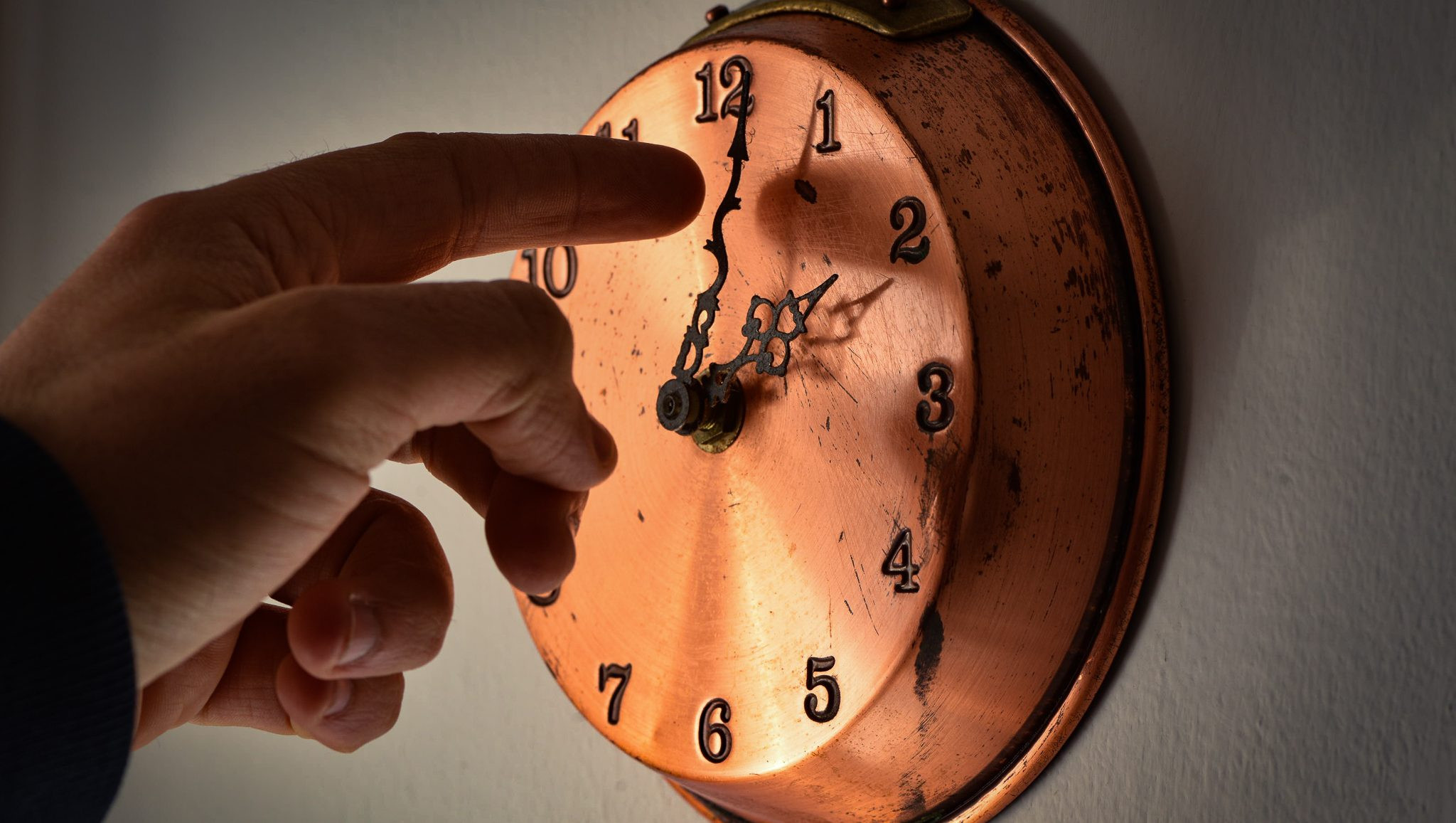
Autumn is already close, which means that the transition to daylight saving time will soon begin. As the time change approaches, many must prepare to receive an extra hour of sleep, as the clocks will be set back by one hour. Although some have questioned whether this practice will be discontinued, it is still in effect and expected to occur in November.
Every year, the time change occurs twice, requiring Americans to reset their clocks. To learn more about daylight saving time, HollywoodLife has gathered some information on the subject.
Daylight saving time occurs twice a year: first on the second Sunday in March, and then again on the first Sunday in November. In the spring, clocks are set forward by one hour at 2:00 AM, transitioning to 3:00 AM. This causes Americans to lose an hour of sleep and shifts sunrise and sunset by an hour later. In the fall and winter, clocks are set back by one hour, giving people an extra hour of sleep; at 2:00 AM, the time goes back to 1:00 AM, and sunrise and sunset occur an hour earlier. The goal of daylight saving time is energy conservation and more efficient use of daylight.
The practice was first introduced as the Standard Time Act in 1918 during World War I.
This year, daylight saving time began on March 10, moving the clocks forward by one hour.
Daylight saving time will come into effect again on November 3, when the clocks will be set back by one hour.
Not all 50 states observe daylight saving time. Arizona and Hawaii do not participate in the time change.
The idea of ending daylight saving time has been discussed several times. Although the US Senate approved the Sunshine Protection Act in 2022, which would make daylight saving time permanent, it was not passed into law. As a result, time changes continue
Every year, the time change occurs twice, requiring Americans to reset their clocks. To learn more about daylight saving time, HollywoodLife has gathered some information on the subject.
Daylight saving time occurs twice a year: first on the second Sunday in March, and then again on the first Sunday in November. In the spring, clocks are set forward by one hour at 2:00 AM, transitioning to 3:00 AM. This causes Americans to lose an hour of sleep and shifts sunrise and sunset by an hour later. In the fall and winter, clocks are set back by one hour, giving people an extra hour of sleep; at 2:00 AM, the time goes back to 1:00 AM, and sunrise and sunset occur an hour earlier. The goal of daylight saving time is energy conservation and more efficient use of daylight.
The practice was first introduced as the Standard Time Act in 1918 during World War I.
This year, daylight saving time began on March 10, moving the clocks forward by one hour.
Daylight saving time will come into effect again on November 3, when the clocks will be set back by one hour.
Not all 50 states observe daylight saving time. Arizona and Hawaii do not participate in the time change.
The idea of ending daylight saving time has been discussed several times. Although the US Senate approved the Sunshine Protection Act in 2022, which would make daylight saving time permanent, it was not passed into law. As a result, time changes continue
© Zhinobaeva Margarita