
YouTube’s Paul Harrell announced his death from cancer in a video titled «I'm Dead», he was 58 years old
7 september 2024 в 01:37
YouTuber Paul Harrell announced his death in a pre-recorded video due to cancer. He was 58 years old.
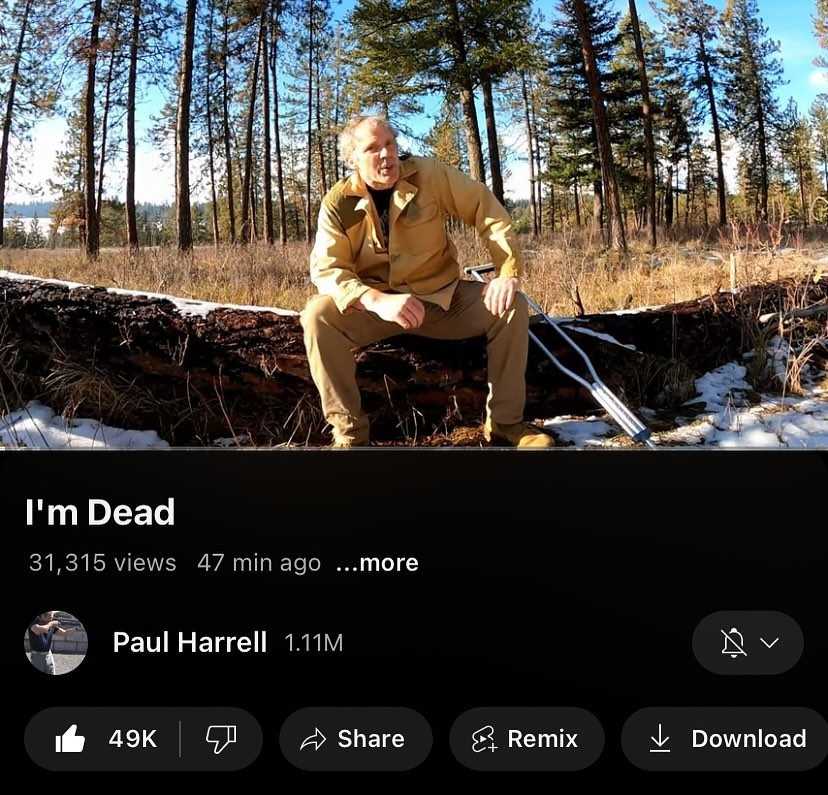
In the posthumous video titled «I am dead», - published on Tuesday, September 3, Harrell shared that his pancreatic cancer had «spread faster than I thought» and reached his bones.
Harrell, who first informed his followers of his diagnosis on July 16, explained that doctors found it early, «but not as early as I thought».
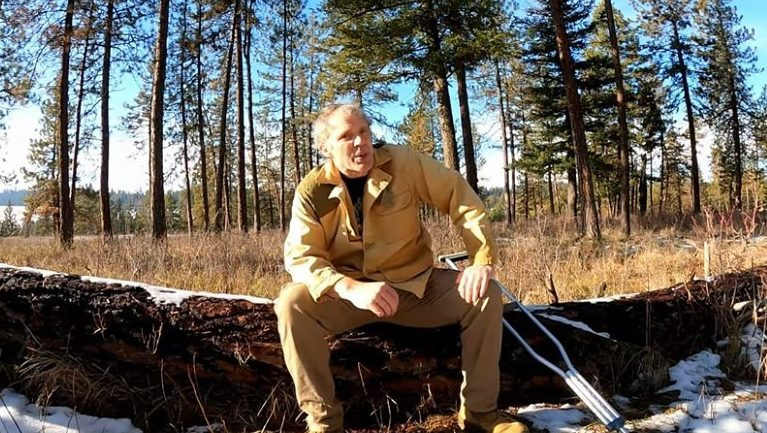
Sitting on a snowy stump near his home in Oregon, he added, «You may have seen me recently using this crutch when I told you I broke my hip. Well, it’s not because I got injured in an accident; it’s because the cancer spread to my bones, the bones crumbled, and my hip broke».
He had three final requests for his followers: to continue supporting his channel and Patreon until his brother and team take over, to avoid any pirated versions of his content, and to reject content creators who «defame» him online.
«To everyone who watched, liked or disliked, commented, shared, subscribed, and donated on Patreon, thank you», - he said in the video. «All these things really support the channel, and I can’t even begin to describe how helpful and valuable they are».
Here is more detailed information about the platform he used to educate viewers about firearms and the disease that took his life.
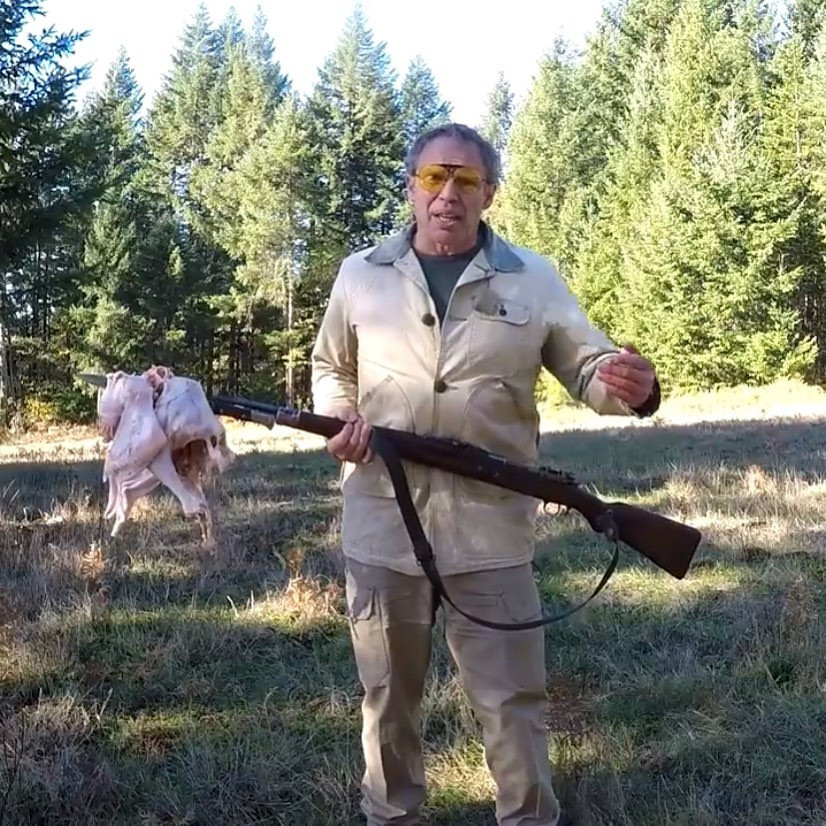
Harrell amassed over 1.2 million subscribers on his YouTube channel, where he posted videos discussing firearm safety and reviews of firearms.
«My goal in all of this was, yes, to have fun, to do some things that were fun, but primarily to provide useful information. Or, if not useful, at least interesting information», - he said. «And I really hope that when you watch me, you’ve seen some things that made you say, 'Oh, I get it, okay.'»
Paul’s brother, Roy Harrell, shared at the end of the death announcement that he will continue to post on the channel.
«It was his wish for me to maintain his legacy through this channel, continuing to release high-quality educational content with the style that we all know and love from him», - Roy said.
Pancreatic cancer is a type of cancer that begins in the tissues of the pancreas, an organ located behind the lower part of the stomach. The pancreas plays a crucial role in digestion, producing enzymes that help digest food, and hormones such as insulin, which helps control blood sugar levels.
Several factors can increase the risk of developing pancreatic cancer. These include smoking, chronic pancreatitis, a family history of pancreatic cancer, genetic mutations, diabetes, and obesity.
There are two main types of pancreatic cancer:
Pancreatic cancer often does not show symptoms in the early stages, making it difficult for early detection. When symptoms do appear, they may include jaundice (yellowing of the skin and eyes), abdominal or back pain, unexplained weight loss, loss of appetite, nausea or vomiting, and new or worsening diabetes.
Diagnosis often involves imaging tests (such as CT or MRI scans), endoscopic ultrasounds, and biopsy procedures. Treatment options depend on the stage and location of the cancer, as well as the overall condition of the patient. Common treatment methods include surgery, radiation therapy, chemotherapy, and targeted therapy.
Pancreatic cancer is known for its particular aggressiveness and complexity of treatment, with lower survival rates compared to many other types of cancer, especially when diagnosed at later stages. Early detection and treatment are crucial for improving outcomes
In the posthumous video titled «I am dead», - published on Tuesday, September 3, Harrell shared that his pancreatic cancer had «spread faster than I thought» and reached his bones.
Harrell, who first informed his followers of his diagnosis on July 16, explained that doctors found it early, «but not as early as I thought».
Sitting on a snowy stump near his home in Oregon, he added, «You may have seen me recently using this crutch when I told you I broke my hip. Well, it’s not because I got injured in an accident; it’s because the cancer spread to my bones, the bones crumbled, and my hip broke».
He had three final requests for his followers: to continue supporting his channel and Patreon until his brother and team take over, to avoid any pirated versions of his content, and to reject content creators who «defame» him online.
«To everyone who watched, liked or disliked, commented, shared, subscribed, and donated on Patreon, thank you», - he said in the video. «All these things really support the channel, and I can’t even begin to describe how helpful and valuable they are».
Here is more detailed information about the platform he used to educate viewers about firearms and the disease that took his life.
Harrell amassed over 1.2 million subscribers on his YouTube channel, where he posted videos discussing firearm safety and reviews of firearms.
«My goal in all of this was, yes, to have fun, to do some things that were fun, but primarily to provide useful information. Or, if not useful, at least interesting information», - he said. «And I really hope that when you watch me, you’ve seen some things that made you say, 'Oh, I get it, okay.'»
Paul’s brother, Roy Harrell, shared at the end of the death announcement that he will continue to post on the channel.
«It was his wish for me to maintain his legacy through this channel, continuing to release high-quality educational content with the style that we all know and love from him», - Roy said.
Pancreatic cancer is a type of cancer that begins in the tissues of the pancreas, an organ located behind the lower part of the stomach. The pancreas plays a crucial role in digestion, producing enzymes that help digest food, and hormones such as insulin, which helps control blood sugar levels.
Several factors can increase the risk of developing pancreatic cancer. These include smoking, chronic pancreatitis, a family history of pancreatic cancer, genetic mutations, diabetes, and obesity.
There are two main types of pancreatic cancer:
Pancreatic cancer often does not show symptoms in the early stages, making it difficult for early detection. When symptoms do appear, they may include jaundice (yellowing of the skin and eyes), abdominal or back pain, unexplained weight loss, loss of appetite, nausea or vomiting, and new or worsening diabetes.
Diagnosis often involves imaging tests (such as CT or MRI scans), endoscopic ultrasounds, and biopsy procedures. Treatment options depend on the stage and location of the cancer, as well as the overall condition of the patient. Common treatment methods include surgery, radiation therapy, chemotherapy, and targeted therapy.
Pancreatic cancer is known for its particular aggressiveness and complexity of treatment, with lower survival rates compared to many other types of cancer, especially when diagnosed at later stages. Early detection and treatment are crucial for improving outcomes
© Artemenko Olga