President Trump has canceled DEI programs: what are DEI and affirmative action?
24 january 2025 в 08:13
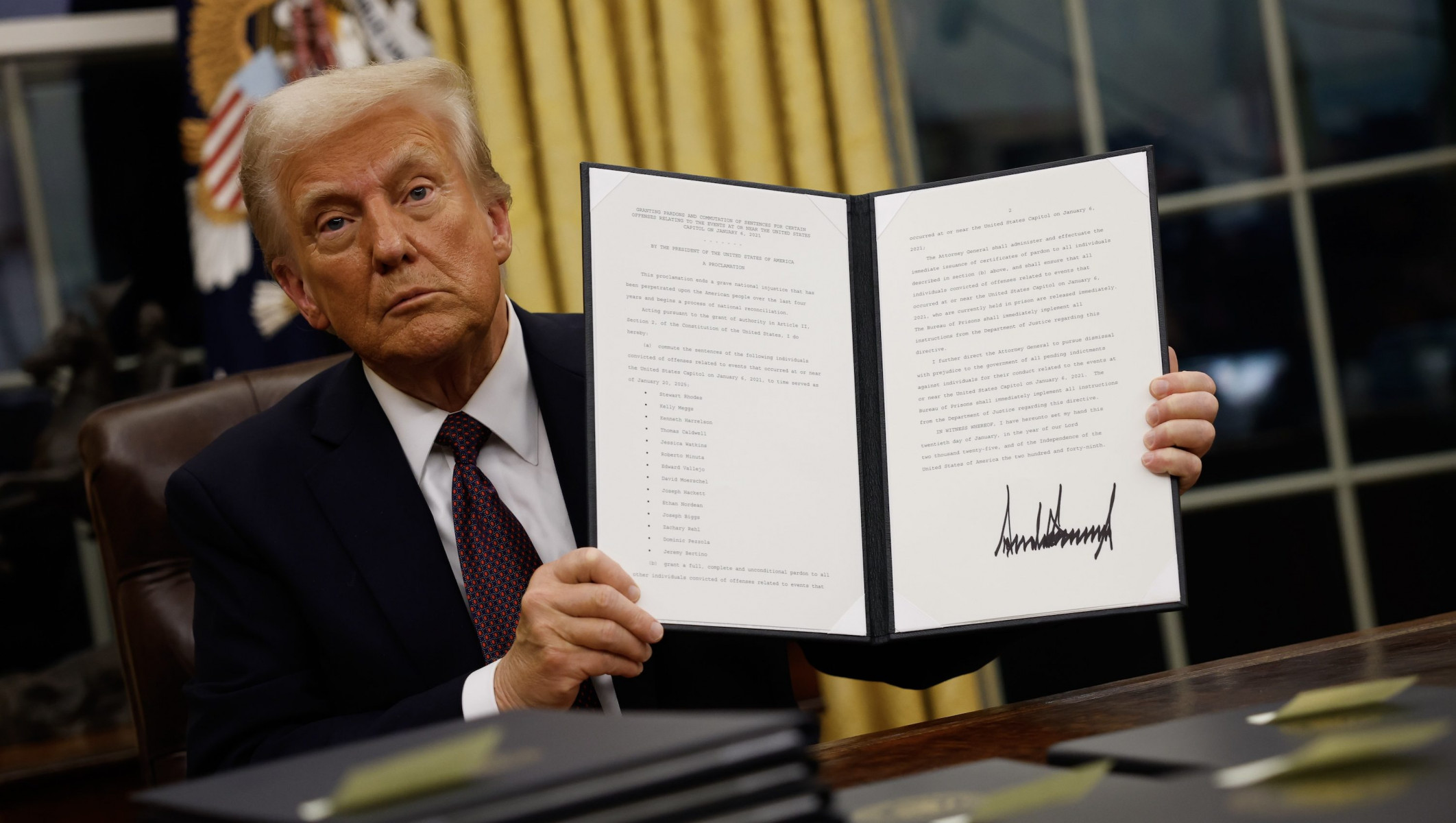
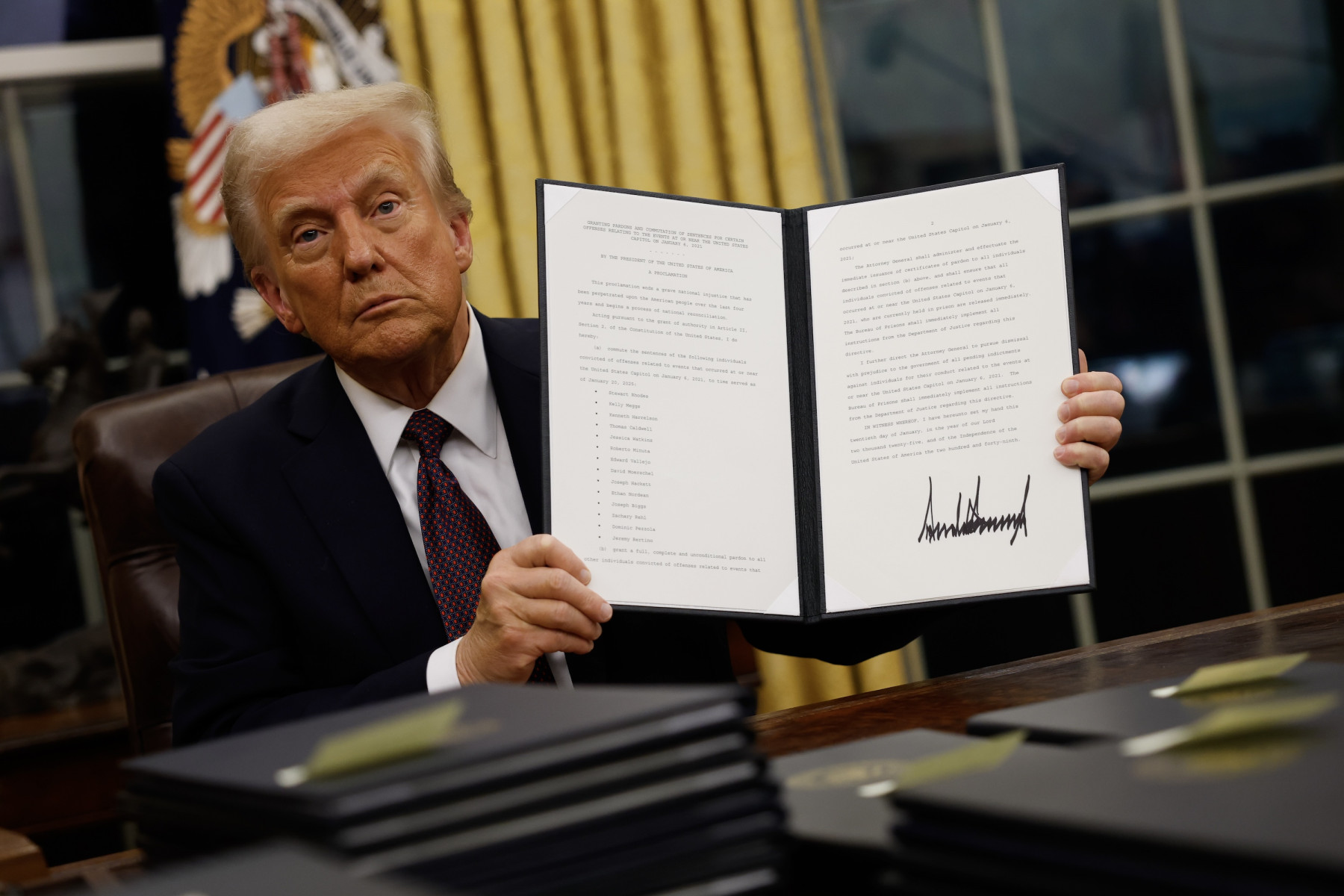
President Donald Trump signed an executive order aimed at DEI programs, which also revoked Executive Order 11246 by Lyndon Johnson from 1965. This order prohibited discrimination in hiring, promotion, and treatment based on race, color, religion, sex, or national origin, and required federal contractors to implement affirmative action to ensure equal employment opportunities, among other provisions.
With these changes, some may wonder: what is the difference between DEI and affirmative action? Find out more below.
The term «DEI» stands for Diversity, Equity, and Inclusion, while «DEIA» adds Accessibility.
Under the administration of Joe Biden, executive orders were signed to expand federal workplace protections, covering groups such as pregnant workers, military spouses, caregivers, and others.
Affirmative action aims to eliminate historical injustices by implementing preferential treatment, often required by law, to provide opportunities for historically marginalized groups.
The main difference between them is that DEI focuses on promoting diversity and inclusivity in the present, while affirmative action specifically addresses past injustices to correct systemic imbalances. Affirmative action may include setting quotas, providing hiring or admission preferences, or considering demographic characteristics in decision-making processes.
President Trump’s executive order requires federal hiring, promotions, and performance evaluations to focus on «individual initiative» rather than «DEI factors». Trump and other critics have consistently argued that federal DEI programs discriminate against certain groups, including white Americans.
The executive order, published by the White House, describes DEI programs as «illegal and immoral discrimination», - claiming that these initiatives of «diversity, equality, and inclusion» have been implemented in virtually all aspects of the federal government.
On Tuesday, a directive was also issued beyond federal agencies, instructing the Attorney General to present within 120 days «recommendations to ensure compliance with federal civil rights laws» and take action to prevent the private sector from engaging in illegal discrimination or DEI practices. Trump also instructed the Attorney General to develop a plan to prevent the private sector from adopting or continuing DEI programs.
A memorandum from the U.S. Office of Personnel Management, issued on Tuesday evening, mandated that all federal DEI office employees be placed on leave by Wednesday evening.
By Thursday, January 23, federal agencies were required to compile a list of federal DEI offices and employees. By Friday, January 31, they were expected to submit plans for «reducing the workforce» of these employees
With these changes, some may wonder: what is the difference between DEI and affirmative action? Find out more below.
The term «DEI» stands for Diversity, Equity, and Inclusion, while «DEIA» adds Accessibility.
Under the administration of Joe Biden, executive orders were signed to expand federal workplace protections, covering groups such as pregnant workers, military spouses, caregivers, and others.
Affirmative action aims to eliminate historical injustices by implementing preferential treatment, often required by law, to provide opportunities for historically marginalized groups.
The main difference between them is that DEI focuses on promoting diversity and inclusivity in the present, while affirmative action specifically addresses past injustices to correct systemic imbalances. Affirmative action may include setting quotas, providing hiring or admission preferences, or considering demographic characteristics in decision-making processes.
President Trump’s executive order requires federal hiring, promotions, and performance evaluations to focus on «individual initiative» rather than «DEI factors». Trump and other critics have consistently argued that federal DEI programs discriminate against certain groups, including white Americans.
The executive order, published by the White House, describes DEI programs as «illegal and immoral discrimination», - claiming that these initiatives of «diversity, equality, and inclusion» have been implemented in virtually all aspects of the federal government.
On Tuesday, a directive was also issued beyond federal agencies, instructing the Attorney General to present within 120 days «recommendations to ensure compliance with federal civil rights laws» and take action to prevent the private sector from engaging in illegal discrimination or DEI practices. Trump also instructed the Attorney General to develop a plan to prevent the private sector from adopting or continuing DEI programs.
A memorandum from the U.S. Office of Personnel Management, issued on Tuesday evening, mandated that all federal DEI office employees be placed on leave by Wednesday evening.
By Thursday, January 23, federal agencies were required to compile a list of federal DEI offices and employees. By Friday, January 31, they were expected to submit plans for «reducing the workforce» of these employees
© Smirnova Olga