
The translation of the text «Прогноз Панксатони Фила на Грэндхог Дэй 2026 года» into English is: «Punxsutawney Phil’s forecast for Groundhog Day 2026»
2 february 2026 в 20:13
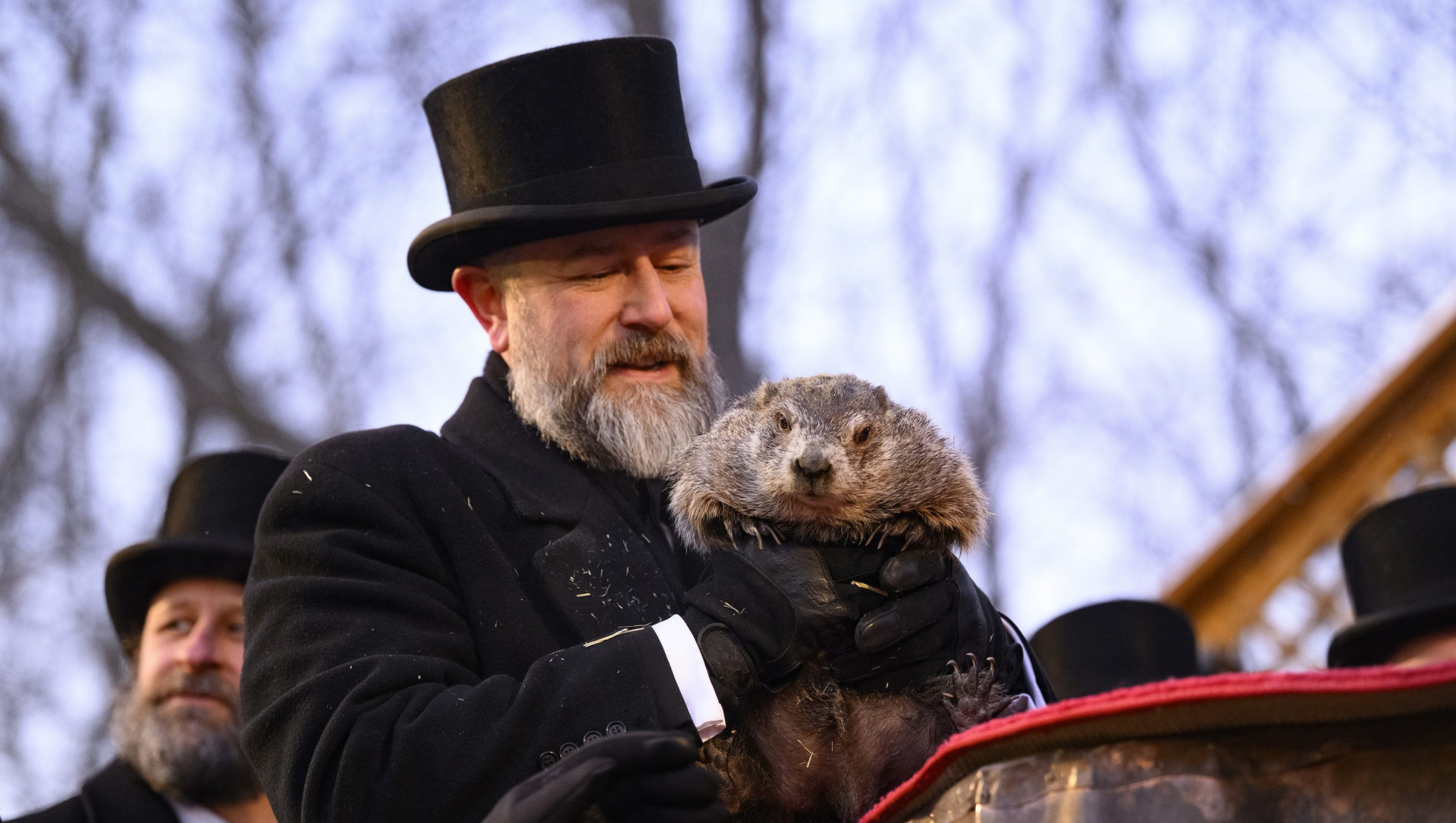
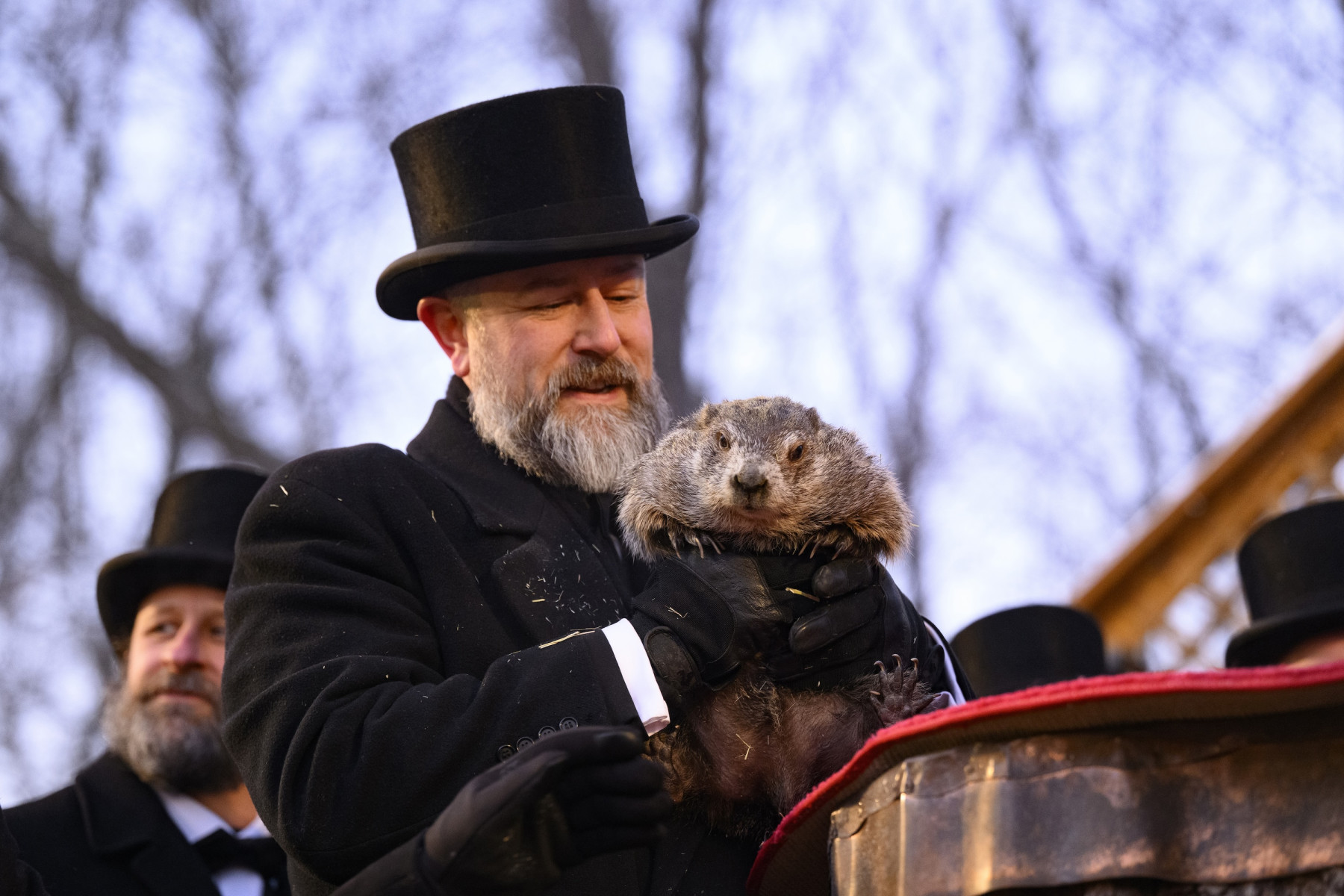
Every year on Groundhog Day, all attention is focused on Punxsutawney Phil, who makes his famous winter prediction from Gobbler’s Knob in Punxsutawney, Pennsylvania. This long-standing tradition attracts national attention as Phil either sees his shadow—signifying six more weeks of winter—or predicts an early spring. In 2026, many are wondering what prediction Phil made this year and what it means for the remainder of the season.
Punxsutawney Phil emerges from his burrow and makes his annual prediction on February 2nd—Groundhog Day—in Punxsutawney, Pennsylvania, during a ceremony held before sunrise that has been taking place since the late 1800s. The tradition has roots in the European holiday of Candlemas and remains a widely observed cultural event in the United States and Canada.
According to the official website of the Groundhog Club, «Punxsutawney Phil saw his shadow at 7:25 AM at a temperature of -3º under a clear and cold sky. Many devoted fans were present and bravely endured the cold. Our honorary guest this year was U.S. Senator Dave McCormick, the first sitting senator to attend the celebration».
Yes, on February 2, 2026, Phil was pulled from his warm burrow into freezing conditions and saw his shadow, signaling the traditional Groundhog Day prediction of a prolonged winter.
According to Groundhog Day folklore, if he sees his shadow, it means winter will last for about six more weeks after February 2nd—essentially extending winter conditions into the first half of March. However, this tradition does not align with the astronomical end of winter, which occurs at the spring equinox on March 20−21 each year.
Phil’s prediction is more related to folklore than meteorological science. According to data analyzed by the National Oceanic and Atmospheric Administration, his long-term accuracy is about 35−40%, which is significantly lower than the expected level of chance and below meteorological forecasts.
Meteorologists emphasize the cultural value of the tradition but note that scientific forecasting is based on atmospheric patterns, such as La Niña and the Arctic Oscillation, which more reliably determine seasonal weather than shadow observations
Punxsutawney Phil emerges from his burrow and makes his annual prediction on February 2nd—Groundhog Day—in Punxsutawney, Pennsylvania, during a ceremony held before sunrise that has been taking place since the late 1800s. The tradition has roots in the European holiday of Candlemas and remains a widely observed cultural event in the United States and Canada.
According to the official website of the Groundhog Club, «Punxsutawney Phil saw his shadow at 7:25 AM at a temperature of -3º under a clear and cold sky. Many devoted fans were present and bravely endured the cold. Our honorary guest this year was U.S. Senator Dave McCormick, the first sitting senator to attend the celebration».
Yes, on February 2, 2026, Phil was pulled from his warm burrow into freezing conditions and saw his shadow, signaling the traditional Groundhog Day prediction of a prolonged winter.
According to Groundhog Day folklore, if he sees his shadow, it means winter will last for about six more weeks after February 2nd—essentially extending winter conditions into the first half of March. However, this tradition does not align with the astronomical end of winter, which occurs at the spring equinox on March 20−21 each year.
Phil’s prediction is more related to folklore than meteorological science. According to data analyzed by the National Oceanic and Atmospheric Administration, his long-term accuracy is about 35−40%, which is significantly lower than the expected level of chance and below meteorological forecasts.
Meteorologists emphasize the cultural value of the tradition but note that scientific forecasting is based on atmospheric patterns, such as La Niña and the Arctic Oscillation, which more reliably determine seasonal weather than shadow observations
© Artemenko Olga