The translation of the text «Разрыв дружбы Рогена и Франко: цена утраты и молчания» into English is: «The Breakup of the Friendship Between Rogen and Franco: The Cost of Loss and Silence»
18 june 2026 в 20:37
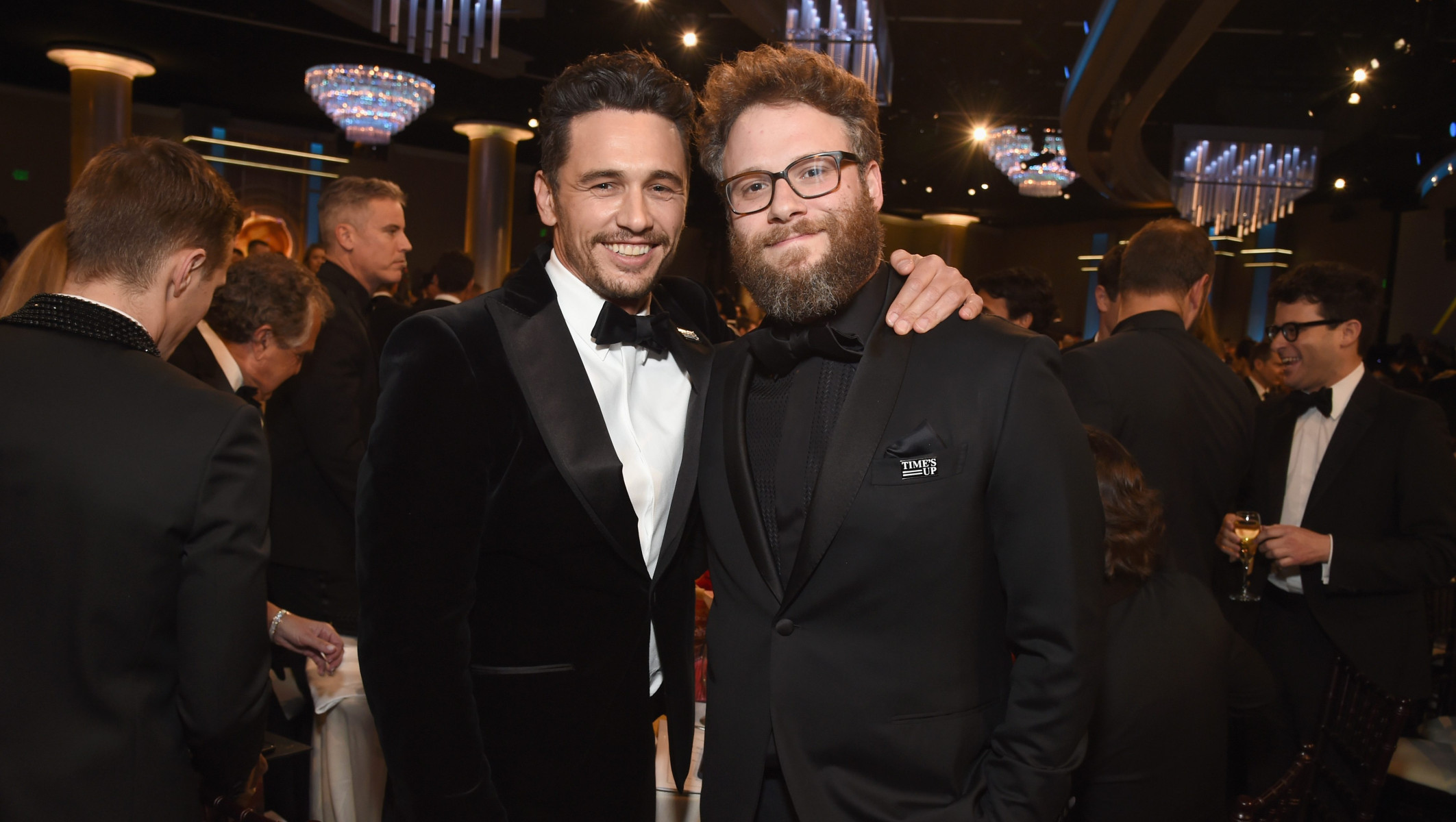
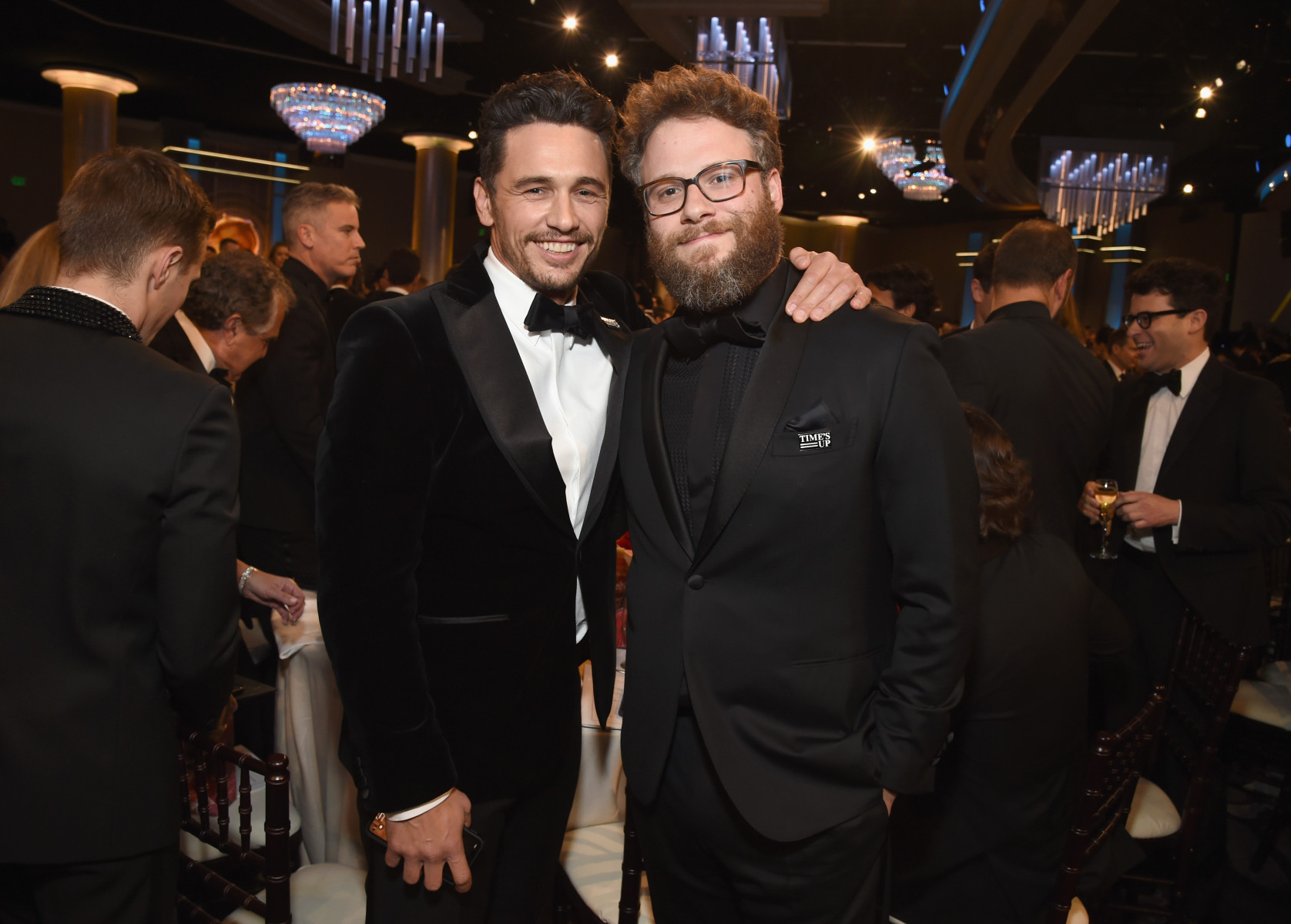
Seth Rogen and James Franco built their careers on the image of inseparable friends. The bromance in «Pineapple Express». «The Disaster Artist». Twenty years of joint press tours with phrases like «we're like brothers».
Now, Rogen has stated in an interview with The New York Times that he hasn’t spoken to Franco in a «long time» and has «no plans» to work with him again. A quote that spread across the internet: «I genuinely think that the nuances of this…» — and then he begins a cautious response that comes when no version of the truth can avoid hurting someone.
This is not a quarrel. This is not enmity. This is something quieter and heavier. It is a friendship that has become too costly to maintain.
And no one talks about the price paid by the one who walks away.
After several women publicly accused Franco of sexual harassment in 2018 (accusations he denied and later settled in a legal dispute in 2021), Rogen’s loyalty became a question he was often asked in interviews. In 2021, he apologized for a joke that belittled those accusations. And then, gradually, their partnership simply came to an end.
Here’s what is really happening beneath the surface of such a rupture.
In my office, I see similar situations every week. Not with movie stars, but with best friends, brothers, business partners, spouses. One person does something that introduces into their relationship what I call «the Third Party». This is not necessarily a romantic connection. It can be an addiction. A pattern of behavior towards others. A secret life that, once revealed, makes the other person question: «What was real?»
The nervous system of a devoted person only calms down when two things are true. I am your priority. I am good enough. The Third Party destroys both of these truths. And, once broken, the body cannot pretend it hasn’t seen what it has seen.
People assume that Rogen’s silence is a moral choice. I think it’s biological. It is impossible to be around someone whose presence keeps your nervous system on edge. You may love them. You may mourn for them. But you still cannot share the same space with them.
That’s why the cautious phrasing of «no plans» matters. It is not a verdict on Franco. It is a statement about Rogen’s own state.
Now, about the more complex side. About who is forced to leave.
We are very good at empathizing with the one who has been wronged. We are poor at empathizing with the one who loses a 20-year friendship due to someone else’s decisions. Rogen didn’t choose this. It was simply thrust upon him. And every time he walks into a café and hears a snippet from «Pineapple Express» playing on someone’s phone, his body has to deal with it somehow.
This is where shame quietly does its work. The friend who distances themselves often carries a personal question: was I complicit? Did I see something I refused to see? Should I have been a better friend or a better witness, or both? Want to understand your relationship model and see where loyalty starts to cost you yourself? This question, the one that lies beneath the surface, is usually where true sorrow resides.
There are two truths here, and both are real. The truth of Franco’s accusers is real. Rogen’s sorrow for a person who was like a brother is real. Franco’s shame, whatever he does with it in private, is also real. None of this negates the other. The mistake of the internet is to think that compassion is a finite resource, as if giving it to one side diminishes it for the other. That is not how the nervous system works. That is not how love works.
And that is not how it works at the end of a friendship. Most of them are not dramatic. It is a slow, sad response when one person realizes they can no longer be a public advocate for someone whose private behavior they do not fully understand.
People want Rogen to either publicly forgive or publicly sever ties. Both options are defense strategies. Both allow the audience to avoid the realization that some rupture…
Now, Rogen has stated in an interview with The New York Times that he hasn’t spoken to Franco in a «long time» and has «no plans» to work with him again. A quote that spread across the internet: «I genuinely think that the nuances of this…» — and then he begins a cautious response that comes when no version of the truth can avoid hurting someone.
This is not a quarrel. This is not enmity. This is something quieter and heavier. It is a friendship that has become too costly to maintain.
And no one talks about the price paid by the one who walks away.
After several women publicly accused Franco of sexual harassment in 2018 (accusations he denied and later settled in a legal dispute in 2021), Rogen’s loyalty became a question he was often asked in interviews. In 2021, he apologized for a joke that belittled those accusations. And then, gradually, their partnership simply came to an end.
Here’s what is really happening beneath the surface of such a rupture.
In my office, I see similar situations every week. Not with movie stars, but with best friends, brothers, business partners, spouses. One person does something that introduces into their relationship what I call «the Third Party». This is not necessarily a romantic connection. It can be an addiction. A pattern of behavior towards others. A secret life that, once revealed, makes the other person question: «What was real?»
The nervous system of a devoted person only calms down when two things are true. I am your priority. I am good enough. The Third Party destroys both of these truths. And, once broken, the body cannot pretend it hasn’t seen what it has seen.
People assume that Rogen’s silence is a moral choice. I think it’s biological. It is impossible to be around someone whose presence keeps your nervous system on edge. You may love them. You may mourn for them. But you still cannot share the same space with them.
That’s why the cautious phrasing of «no plans» matters. It is not a verdict on Franco. It is a statement about Rogen’s own state.
Now, about the more complex side. About who is forced to leave.
We are very good at empathizing with the one who has been wronged. We are poor at empathizing with the one who loses a 20-year friendship due to someone else’s decisions. Rogen didn’t choose this. It was simply thrust upon him. And every time he walks into a café and hears a snippet from «Pineapple Express» playing on someone’s phone, his body has to deal with it somehow.
This is where shame quietly does its work. The friend who distances themselves often carries a personal question: was I complicit? Did I see something I refused to see? Should I have been a better friend or a better witness, or both? Want to understand your relationship model and see where loyalty starts to cost you yourself? This question, the one that lies beneath the surface, is usually where true sorrow resides.
There are two truths here, and both are real. The truth of Franco’s accusers is real. Rogen’s sorrow for a person who was like a brother is real. Franco’s shame, whatever he does with it in private, is also real. None of this negates the other. The mistake of the internet is to think that compassion is a finite resource, as if giving it to one side diminishes it for the other. That is not how the nervous system works. That is not how love works.
And that is not how it works at the end of a friendship. Most of them are not dramatic. It is a slow, sad response when one person realizes they can no longer be a public advocate for someone whose private behavior they do not fully understand.
People want Rogen to either publicly forgive or publicly sever ties. Both options are defense strategies. Both allow the audience to avoid the realization that some rupture…
© Kolganov Andrey