
Season 4 of Bridgerton: What does the word «ward» mean?
29 january 2026 в 18:37

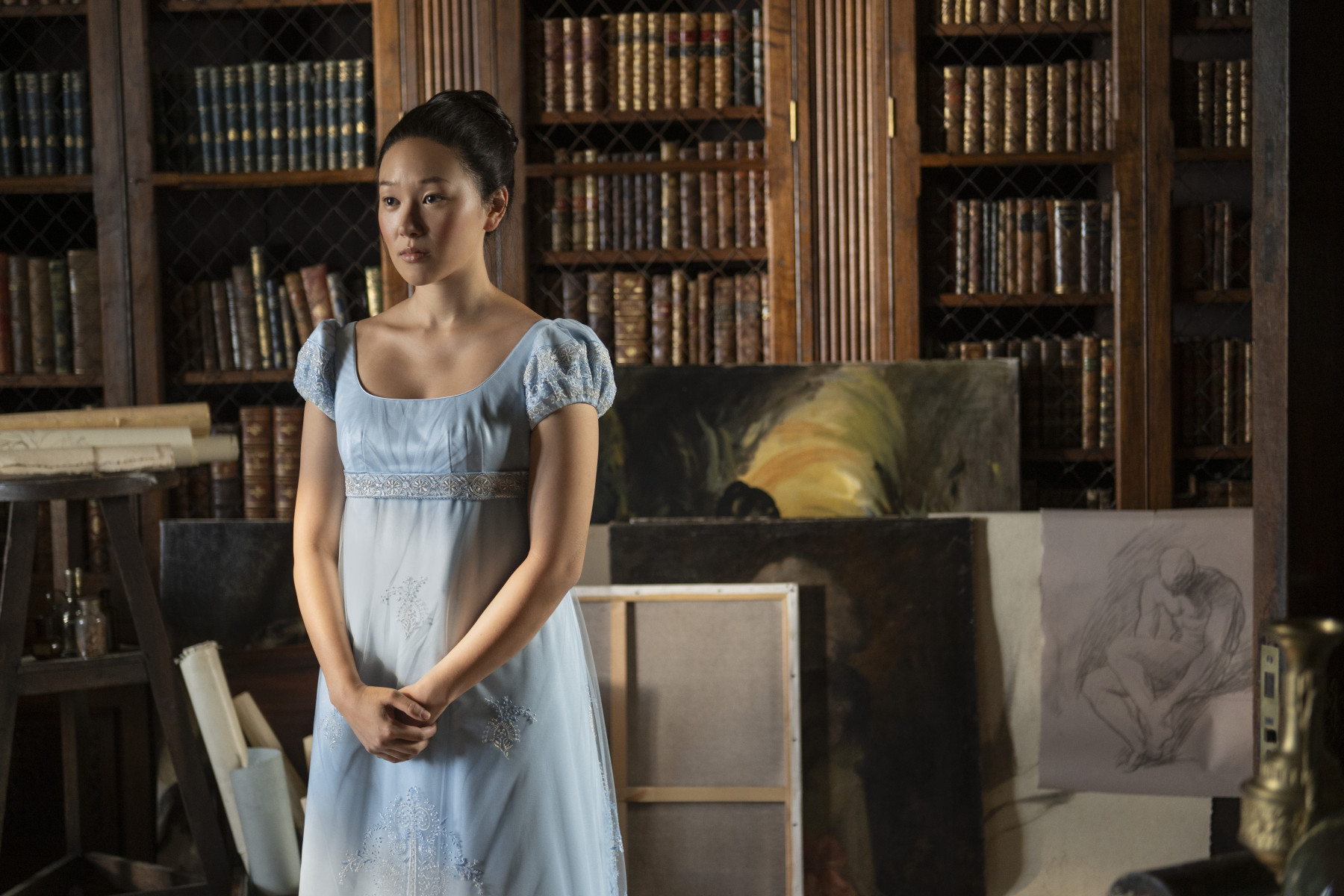

Part 1 of the fourth season of «Bridgerton» finally premiered at the end of January 2026, and, as is often the case with historical dramas (both fictional and based on real events), viewers encountered new terms. In one of the episodes of the season, Sophie Beck (Erin Ha) is referred to as the «ward» of Lord Penwood (Arthur Lee). But what does that actually mean?
Erin became the first Korean actress to take on a leading role in «Bridgerton», - which she discussed in an interview with Time earlier this year.
«When my agent told me it was for 'Bridgerton,' I thought it was a supporting role», - Erin recalls. «Then I realized, 'Oh no, this is a leading role. They are going to cast an East Asian woman in a leading role.' … I never thought of myself as the lead in a romantic show».
Speaking about her character Sophie, Erin added, «What is so beautiful about [our version of] the story of Benedict and Sophie is that we don’t delve into the question: 'Oh, you’re Korean.' He just sees Sophie as Sophie».
As we await the release of Part 2 in February, let’s explore what the outdated term «ward» means and its significance for the fourth season of «Bridgerton».
«Bridgerton» primarily unfolds during the British Regency era, which spans the early 19th century (the early 1800s).
In 19th-century dialogue, «ward» typically refers to an orphan or an incapacitated adult who is under guardianship, according to Webster and Mirror dictionaries.
In the second episode of the fourth season, there is a flashback between Lady Araminta Gunn (Katie Liu) and Sophie when she was still a child. Penwood comes to introduce his new fiancée to his staff and noticeably ignores Sophie, but Araminta ponders the presence of the child. As Sophie stands with the household staff, Araminta asks Penwood, and he confirms that she is his ward.
Penwood then tells Araminta, «I know you will take care of her as your own». Judging by her reaction, Araminta is shocked by Sophie’s existence, and it is implied that Penwood has become a father out of wedlock. Therefore, he refers to her as his ward due to his societal status
Erin became the first Korean actress to take on a leading role in «Bridgerton», - which she discussed in an interview with Time earlier this year.
«When my agent told me it was for 'Bridgerton,' I thought it was a supporting role», - Erin recalls. «Then I realized, 'Oh no, this is a leading role. They are going to cast an East Asian woman in a leading role.' … I never thought of myself as the lead in a romantic show».
Speaking about her character Sophie, Erin added, «What is so beautiful about [our version of] the story of Benedict and Sophie is that we don’t delve into the question: 'Oh, you’re Korean.' He just sees Sophie as Sophie».
As we await the release of Part 2 in February, let’s explore what the outdated term «ward» means and its significance for the fourth season of «Bridgerton».
«Bridgerton» primarily unfolds during the British Regency era, which spans the early 19th century (the early 1800s).
In 19th-century dialogue, «ward» typically refers to an orphan or an incapacitated adult who is under guardianship, according to Webster and Mirror dictionaries.
In the second episode of the fourth season, there is a flashback between Lady Araminta Gunn (Katie Liu) and Sophie when she was still a child. Penwood comes to introduce his new fiancée to his staff and noticeably ignores Sophie, but Araminta ponders the presence of the child. As Sophie stands with the household staff, Araminta asks Penwood, and he confirms that she is his ward.
Penwood then tells Araminta, «I know you will take care of her as your own». Judging by her reaction, Araminta is shocked by Sophie’s existence, and it is implied that Penwood has become a father out of wedlock. Therefore, he refers to her as his ward due to his societal status
© Artemenko Olga