
The state of Florida is recovering after Hurricane Milton: victims, destruction, forecasts
10 october 2024 в 22:13
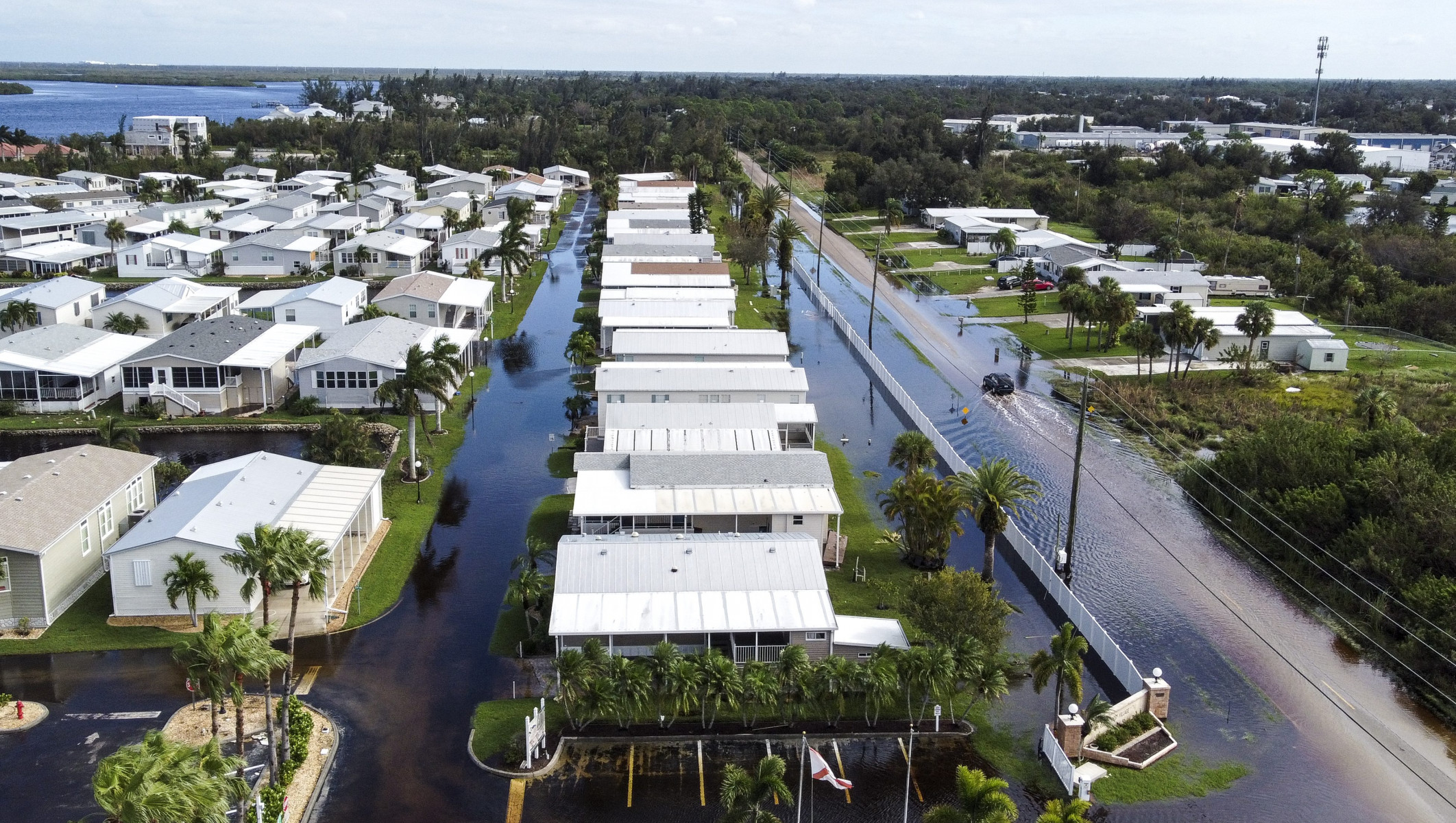
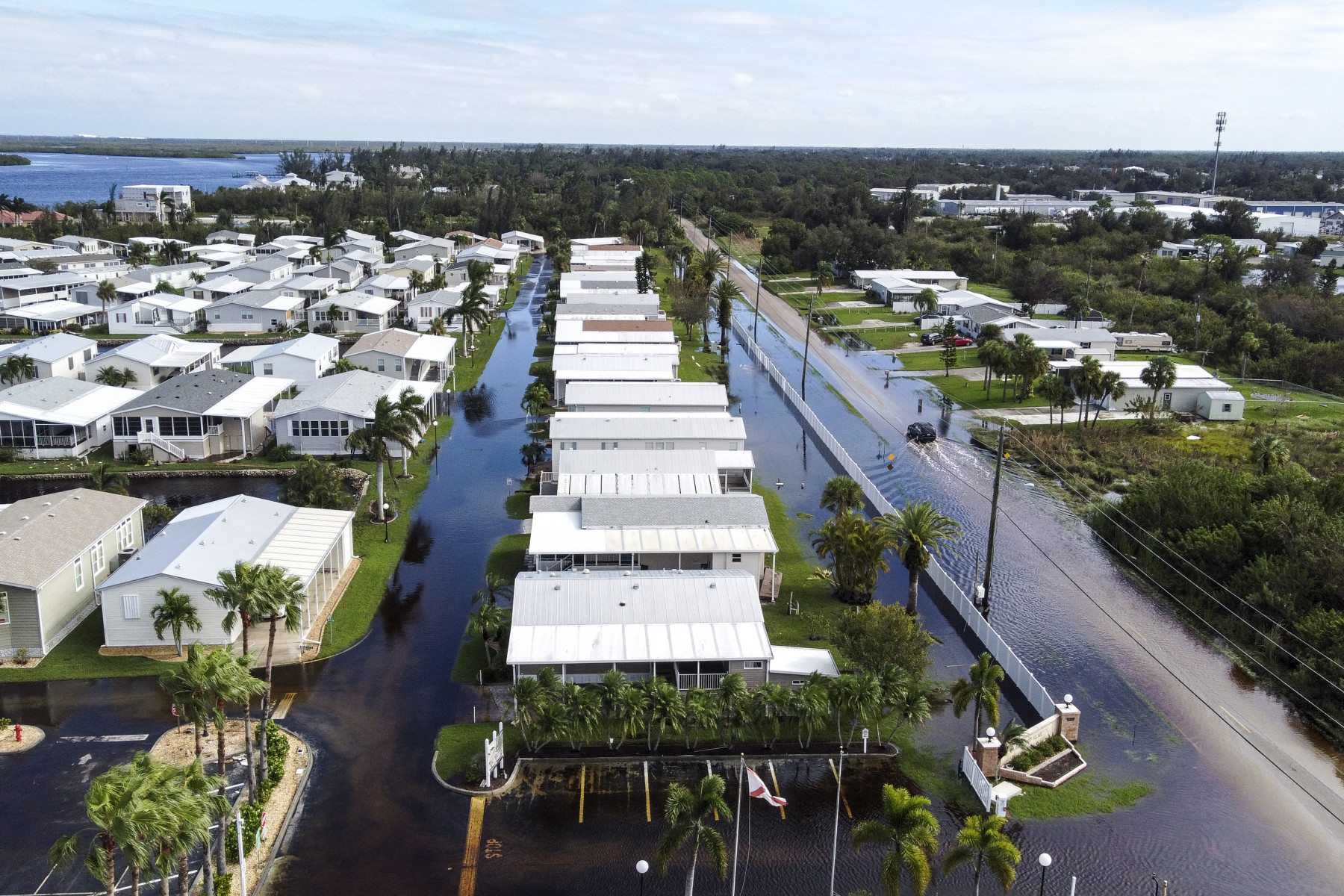
On Thursday, October 10, residents of Florida woke up to flooding, fallen trees, and destroyed buildings after Hurricane Milton hit the state. Many were left without power, and several deaths were confirmed. As the Sunshine State recovers from its second consecutive storm this season, learn about the casualties in Milton’s path below.
Several counties were hit by tornadoes just before Milton made landfall. Some of the communities with the most flooding and damaged buildings were Fort Myers, Siesta Key, Tampa, and others. Boats were photographed washed up on shore, and some were even blown closer to homes after Milton passed through Florida.
First responders were photographed helping various residents across the state, mostly through the flooding. Some were seen rescuing storm victims on boats.
At the time of publication, 10 deaths have been confirmed, according to NBC News. Five people died in St. Lucie County, while two deaths were confirmed by the St. Petersburg police, according to a source. Three deaths were reported in Volusia County.
Currently, there is no specific warning of another hurricane heading towards Florida. However, the National Hurricane Center (NHC) was tracking two tropical formations in the southern part of the Atlantic Ocean before Milton made landfall. One tropical system named «Invest 93L» formed, and some were wondering if it would strengthen into a tropical storm, and then into Hurricane Nadine. However, the NHC announced that no further development occurred.
«While environmental conditions appear only marginally favorable for additional development, a short-lived tropical or subtropical storm could form today or tonight as the low moves northeastward or east-northeastward at about 15 mph», - the NHC revealed. «Wind levels are forecast to increase later today, which should limit chances for further development».
The second tropical system that caused concern was Hurricane Leslie. However, the NHC noted on its website that Leslie «likely reached peak strength» on Thursday, October 10, and was moving northwest in the Atlantic Ocean.
Most of the hurricane activity in the southern part of the Atlantic Ocean can be seen on Zoom Earth
Several counties were hit by tornadoes just before Milton made landfall. Some of the communities with the most flooding and damaged buildings were Fort Myers, Siesta Key, Tampa, and others. Boats were photographed washed up on shore, and some were even blown closer to homes after Milton passed through Florida.
First responders were photographed helping various residents across the state, mostly through the flooding. Some were seen rescuing storm victims on boats.
At the time of publication, 10 deaths have been confirmed, according to NBC News. Five people died in St. Lucie County, while two deaths were confirmed by the St. Petersburg police, according to a source. Three deaths were reported in Volusia County.
Currently, there is no specific warning of another hurricane heading towards Florida. However, the National Hurricane Center (NHC) was tracking two tropical formations in the southern part of the Atlantic Ocean before Milton made landfall. One tropical system named «Invest 93L» formed, and some were wondering if it would strengthen into a tropical storm, and then into Hurricane Nadine. However, the NHC announced that no further development occurred.
«While environmental conditions appear only marginally favorable for additional development, a short-lived tropical or subtropical storm could form today or tonight as the low moves northeastward or east-northeastward at about 15 mph», - the NHC revealed. «Wind levels are forecast to increase later today, which should limit chances for further development».
The second tropical system that caused concern was Hurricane Leslie. However, the NHC noted on its website that Leslie «likely reached peak strength» on Thursday, October 10, and was moving northwest in the Atlantic Ocean.
Most of the hurricane activity in the southern part of the Atlantic Ocean can be seen on Zoom Earth
© Kolganov Andrey