Sydney Sweeney and Scooter Braun: what is behind their relationship?
15 may 2026 в 20:37
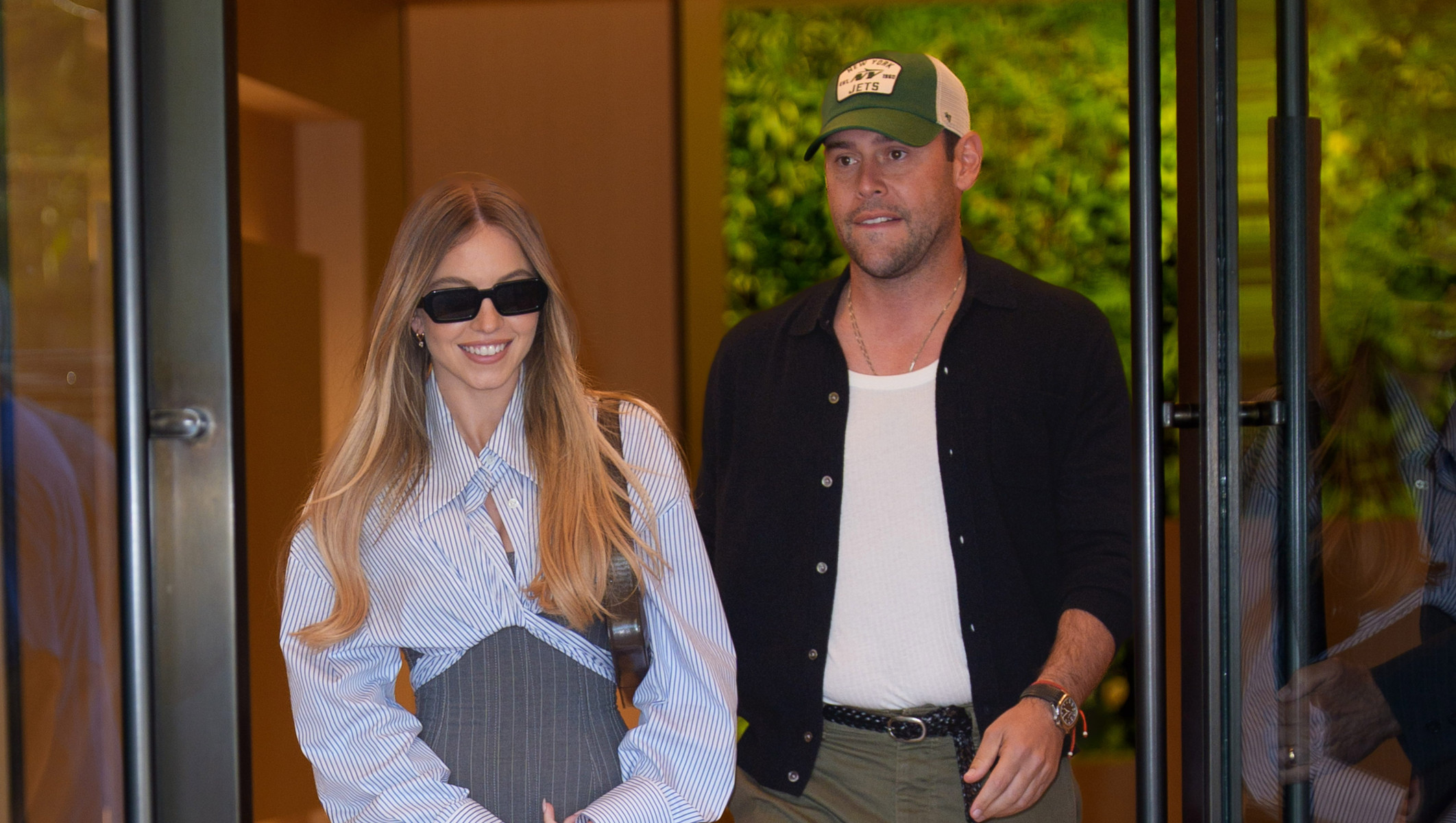

Sydney Sweeney, 28, posted a montage video with Scooter Braun, 44, in which he playfully dances next to her during their vacation in Australia, and the internet, as usual, wasted no time. Within seconds, speculation about their relationship began.
Pedophilia. Daddy issues. Performance. Awkwardness. Choose your villain.
Attention was drawn to the age difference. Scenes from «Euphoria» were once again at the center of discussion. Someone took a screenshot of the most unflattering frame from the video.
Here’s what I want to say from a therapist’s perspective, not from the comments. Two nervous organisms are trying to feel safe in an aquarium where every kiss becomes content. This is a real story. And it’s much more interesting than gossip.
I observe what is happening in this clip when two people use performance to attempt to establish primary attachment.
Sydney and Scooter live in an environment where every version of themselves is recorded. Every heartbreak is captured. Every mistake is up for discussion. The village is watching. Both villages. Every move is preserved, archived.
In such openness, people develop survival strategies. One such strategy is called «The Seducer».
I know this from personal experience. In my twenties, I first felt confidence realizing that I could be desirable. The Seducer lived within me until I was forty. My worth in love was defined by whether I could be desired, whether I could present the version of myself that I thought needed to exist to be chosen.
For a young woman who has built a successful career playing provocative roles, deriving ego stability from sexual attractiveness is a perfectly normal human story. Not pathology. A story.
For the older partner, there exists an equally powerful attraction. Our culture shapes men within the «Cover Syndrome», - where masculinity is validated by the desire of young, beautiful women. I have faced this myself in my self-work. I try to deny this part of myself, but I need to acknowledge how I have been enchanted by it.
When you see the clip of this couple showing affection, you are not witnessing a toxic failure. You are observing the clash of The Seducer and The Cover, as two people use their most competent, public selves to answer two questions that truly concern mammals. Are you here for me? Am I good enough for you?
I see this dynamic every Tuesday in my office in San Francisco. A high-profile couple comes in distress. They met when their sexual, confident «selves» were in charge. Then the honeymoon ended.
Almost every couple must go through a transition. From sexual intimacy inspired by spark, when you come home from work looking attractive, to something deeper. Expecting that only these moments will inspire intimacy is absurd. Most couples do not yet understand this, which is part of the science of what «situational relationships» are and why many high-chemistry relationships stall as soon as the cameras are off.
In the therapy room, I observe how these high-functioning individuals try to manage their intimacy from the «Penthouse» of their emotional building. Being in the Penthouse, they rely on logic, PR strategy, performances. They avoid raw, vulnerable feelings locked in the «Basement».
They are very good at demonstrating love in public. Behind closed doors, they experience biological panic.
If you have ever wondered what protective part governs your relationships, learn your attachment dynamics before diagnosing others.
The terrible part for such couples is that shedding the seductive armor feels like death. They feel the risk of being rejected for their inadequacy or fear that they will be too much and not chosen
Pedophilia. Daddy issues. Performance. Awkwardness. Choose your villain.
Attention was drawn to the age difference. Scenes from «Euphoria» were once again at the center of discussion. Someone took a screenshot of the most unflattering frame from the video.
Here’s what I want to say from a therapist’s perspective, not from the comments. Two nervous organisms are trying to feel safe in an aquarium where every kiss becomes content. This is a real story. And it’s much more interesting than gossip.
I observe what is happening in this clip when two people use performance to attempt to establish primary attachment.
Sydney and Scooter live in an environment where every version of themselves is recorded. Every heartbreak is captured. Every mistake is up for discussion. The village is watching. Both villages. Every move is preserved, archived.
In such openness, people develop survival strategies. One such strategy is called «The Seducer».
I know this from personal experience. In my twenties, I first felt confidence realizing that I could be desirable. The Seducer lived within me until I was forty. My worth in love was defined by whether I could be desired, whether I could present the version of myself that I thought needed to exist to be chosen.
For a young woman who has built a successful career playing provocative roles, deriving ego stability from sexual attractiveness is a perfectly normal human story. Not pathology. A story.
For the older partner, there exists an equally powerful attraction. Our culture shapes men within the «Cover Syndrome», - where masculinity is validated by the desire of young, beautiful women. I have faced this myself in my self-work. I try to deny this part of myself, but I need to acknowledge how I have been enchanted by it.
When you see the clip of this couple showing affection, you are not witnessing a toxic failure. You are observing the clash of The Seducer and The Cover, as two people use their most competent, public selves to answer two questions that truly concern mammals. Are you here for me? Am I good enough for you?
I see this dynamic every Tuesday in my office in San Francisco. A high-profile couple comes in distress. They met when their sexual, confident «selves» were in charge. Then the honeymoon ended.
Almost every couple must go through a transition. From sexual intimacy inspired by spark, when you come home from work looking attractive, to something deeper. Expecting that only these moments will inspire intimacy is absurd. Most couples do not yet understand this, which is part of the science of what «situational relationships» are and why many high-chemistry relationships stall as soon as the cameras are off.
In the therapy room, I observe how these high-functioning individuals try to manage their intimacy from the «Penthouse» of their emotional building. Being in the Penthouse, they rely on logic, PR strategy, performances. They avoid raw, vulnerable feelings locked in the «Basement».
They are very good at demonstrating love in public. Behind closed doors, they experience biological panic.
If you have ever wondered what protective part governs your relationships, learn your attachment dynamics before diagnosing others.
The terrible part for such couples is that shedding the seductive armor feels like death. They feel the risk of being rejected for their inadequacy or fear that they will be too much and not chosen
© Smirnova Olga