
Duchess of Kent Catherine passed away at the age of 92: 5 facts about her life
6 september 2025 в 00:37
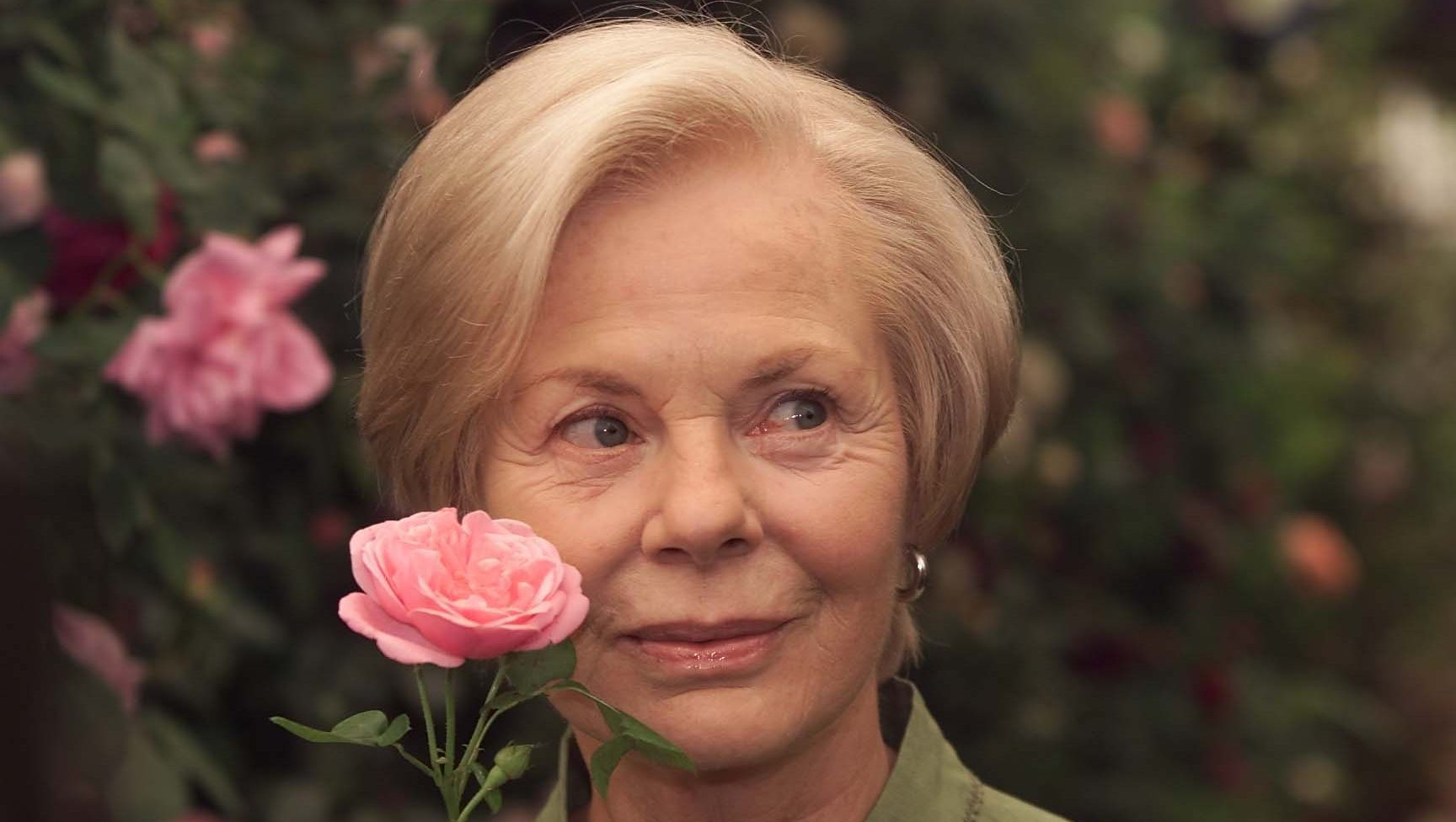
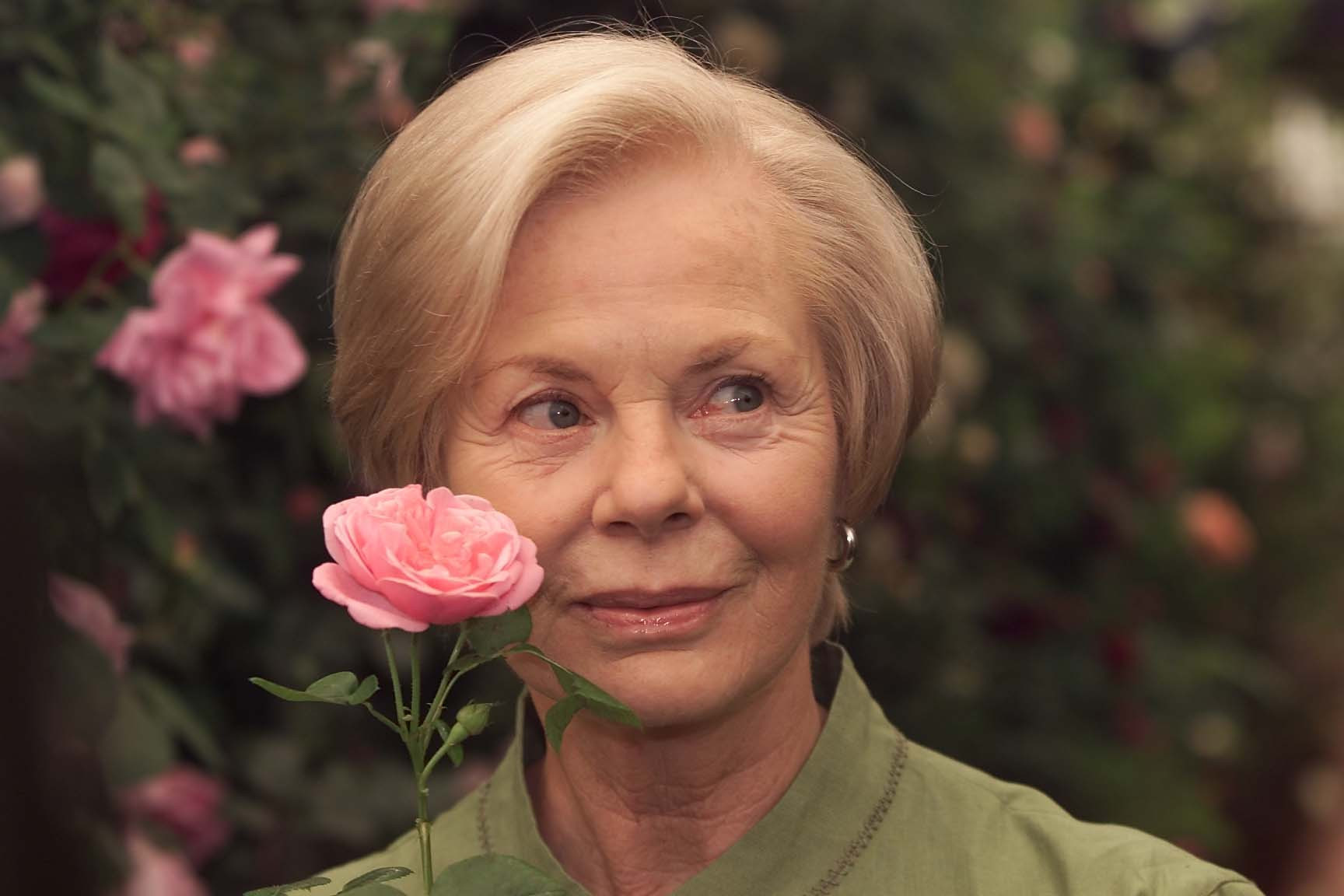
Duchess of Kent Catherine passed away on September 4, 2025 after a long and fulfilling life. The late royal figure, who was 92 years old, was the wife of the Duke of Kent, Prince Edward, the first cousin of the late Queen Elizabeth II. Although Catherine led a more private life than other members of the royal family, her interests in music and tennis were well known.
Buckingham Palace confirmed the death of the late Duchess in a statement that read: «The King and Queen, as well as all members of the royal family, join the Duke of Kent, his children, and grandchildren in mourning the loss and warmly remember the Duchess’s dedication to all the organizations she was involved with, her passion for music, and her compassion for the youth».
Hollywood Life remembers Catherine with five facts about her below.
Her Royal Highness passed away peacefully last night at Kensington Palace, surrounded by family.
In the mid-1990s, Catherine became the first member of the royal family to publicly convert to Catholicism since the Act of Settlement in 1701, which deprived any heir of the right to the throne. However, Catherine was not in the line of succession, so this act did not affect her.
Nevertheless, her religious conversion made headlines at the time. In an interview, she spoke about her preference for guidance, crediting the Catholic Church for providing rules for followers.
«I like rules, and the Catholic Church gives you rules. I’ve always wanted that in my life», - Catherine previously said. «I like knowing what’s expected of me. I like it when I’m told, 'You must go to church on Sundays, and if you don’t, you’ll be in trouble!'»
In 1975, Catherine suffered a miscarriage, and two years later she gave birth to a stillborn son named Patrick. This led to depression, which she publicly acknowledged.
«It had the most devastating effect on me», - she told the Daily Telegraph in 1997. «I had no idea how devastating such an event could be for any woman. It made me extremely understanding of others who experience stillbirth. … I suffered from acute depression for some time. I think it would be a very rare person who wouldn’t be broken by such circumstances. The child was stillborn at nine months. It was a dreadful event».
Known for defying expectations as a royal figure, Catherine decided to step back from her public duties in 2002. Although she did not avoid all associated events, she did not attend the funerals of Queen Elizabeth II and the coronation of King Charles III.
Catherine stopped using the title Her Royal Highness, although she was still officially referred to as the Duchess of Kent, as Buckingham Palace acknowledged in its announcement of her death in 2025.
The late Duchess of Kent performed in several choirs throughout her life as a devoted singer and music enthusiast. She also became an integral part of Wimbledon, presenting the Ladies' Singles trophy to winners for over 30 years.
In addition to the miscarriage and stillborn child in the 1970s, Catherine was also hospitalized in 1978 with celiac disease and the Epstein-Barr virus, according to the BBC
Buckingham Palace confirmed the death of the late Duchess in a statement that read: «The King and Queen, as well as all members of the royal family, join the Duke of Kent, his children, and grandchildren in mourning the loss and warmly remember the Duchess’s dedication to all the organizations she was involved with, her passion for music, and her compassion for the youth».
Hollywood Life remembers Catherine with five facts about her below.
Her Royal Highness passed away peacefully last night at Kensington Palace, surrounded by family.
In the mid-1990s, Catherine became the first member of the royal family to publicly convert to Catholicism since the Act of Settlement in 1701, which deprived any heir of the right to the throne. However, Catherine was not in the line of succession, so this act did not affect her.
Nevertheless, her religious conversion made headlines at the time. In an interview, she spoke about her preference for guidance, crediting the Catholic Church for providing rules for followers.
«I like rules, and the Catholic Church gives you rules. I’ve always wanted that in my life», - Catherine previously said. «I like knowing what’s expected of me. I like it when I’m told, 'You must go to church on Sundays, and if you don’t, you’ll be in trouble!'»
In 1975, Catherine suffered a miscarriage, and two years later she gave birth to a stillborn son named Patrick. This led to depression, which she publicly acknowledged.
«It had the most devastating effect on me», - she told the Daily Telegraph in 1997. «I had no idea how devastating such an event could be for any woman. It made me extremely understanding of others who experience stillbirth. … I suffered from acute depression for some time. I think it would be a very rare person who wouldn’t be broken by such circumstances. The child was stillborn at nine months. It was a dreadful event».
Known for defying expectations as a royal figure, Catherine decided to step back from her public duties in 2002. Although she did not avoid all associated events, she did not attend the funerals of Queen Elizabeth II and the coronation of King Charles III.
Catherine stopped using the title Her Royal Highness, although she was still officially referred to as the Duchess of Kent, as Buckingham Palace acknowledged in its announcement of her death in 2025.
The late Duchess of Kent performed in several choirs throughout her life as a devoted singer and music enthusiast. She also became an integral part of Wimbledon, presenting the Ladies' Singles trophy to winners for over 30 years.
In addition to the miscarriage and stillborn child in the 1970s, Catherine was also hospitalized in 1978 with celiac disease and the Epstein-Barr virus, according to the BBC
© Kolganov Andrey