Pope Francis has passed away: details and consequences
21 april 2025 в 15:37
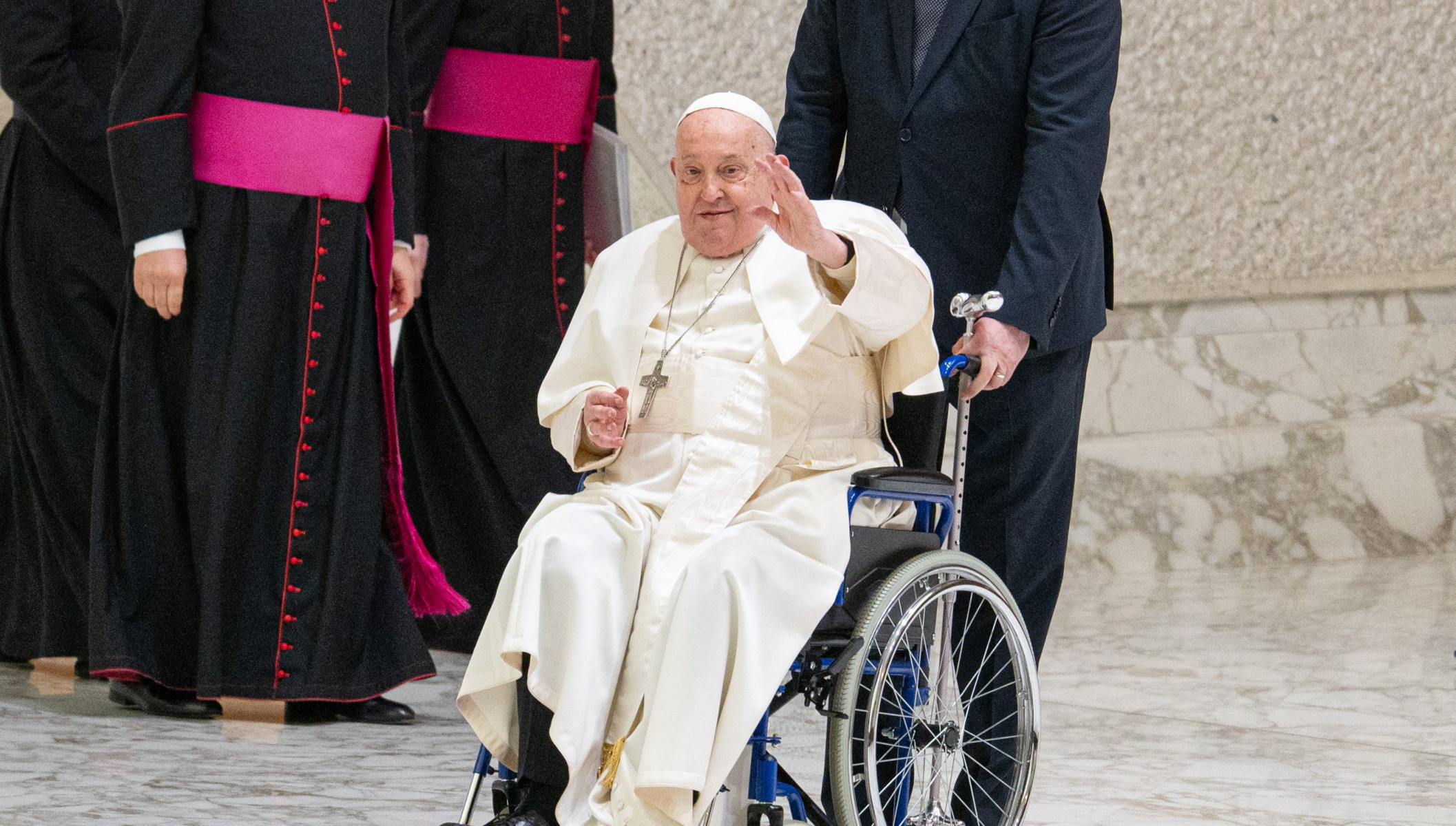
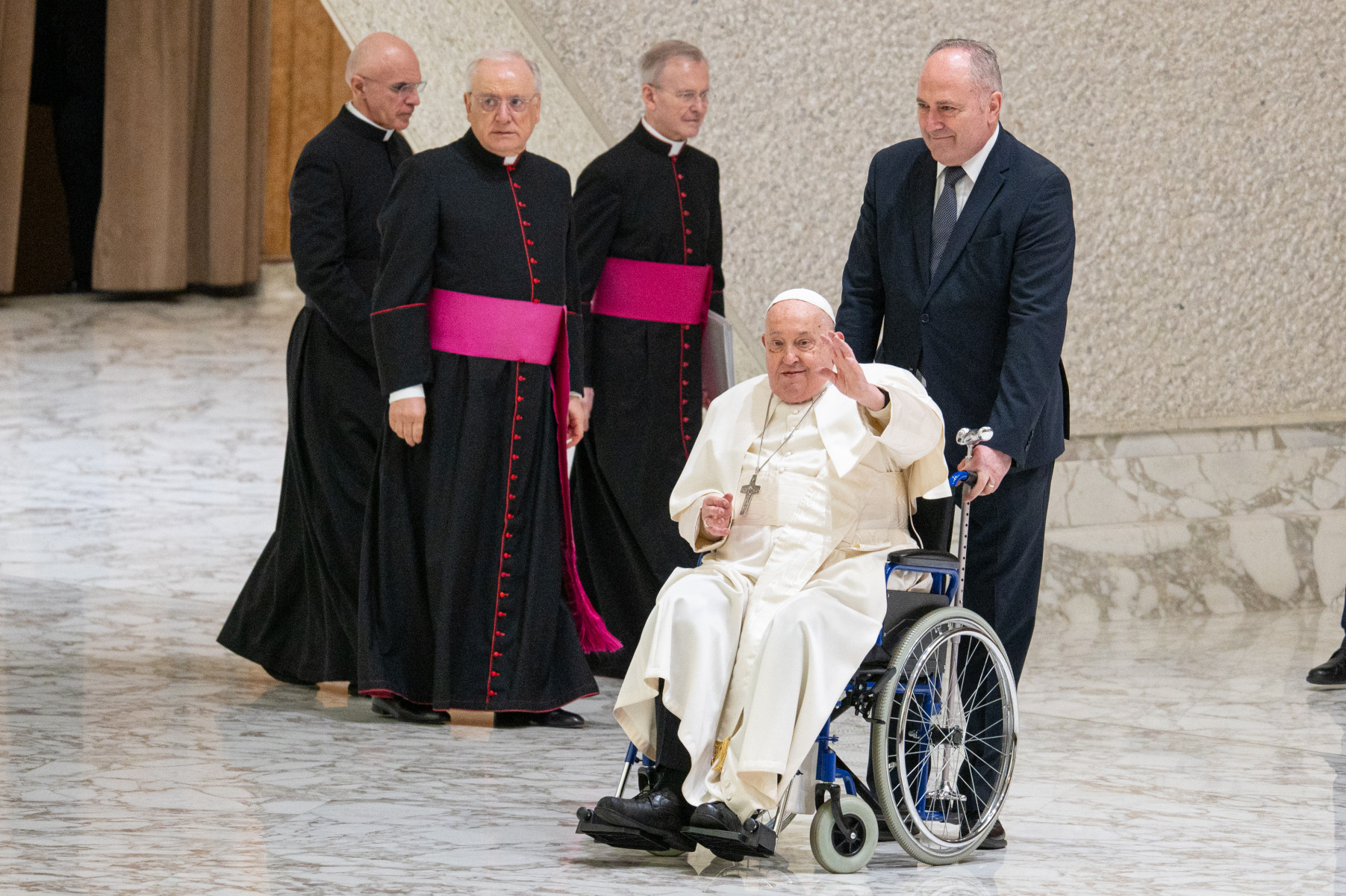
Pope Francis passed away on Monday after Easter, April 21, 2025, as reported by the Vatican.
His death occurred at 7:35 a.m. local time in his residence at Casa Santa Marta in the Vatican. Cardinal Kevin Farrell, the Camerlengo of the Apostolic Chamber, confirmed this news, stating: «Dear brothers and sisters, with deep sorrow I must announce the death of our Holy Father Francis. At 7:35 this morning, the Bishop of Rome, Francis, returned to the Father’s house».
Several weeks before his death, Pope Francis was hospitalized in Rome with bronchitis. Although he was discharged on March 23, concerns about his health persisted. Despite visible signs of illness, he resumed limited duties and made an unexpected appearance on Holy Saturday to bless the faithful in St. Peter’s Square. On the same day, he also met with U.S. Vice President J.D. Vance in the Vatican.
Learn more about the late pontiff, including his age at the time of death, his health history, and what will happen next for the Catholic Church, below.
Pope Francis was born on December 17, 1936, and was 88 years old at the time of his death.
Pope Francis served as the head of the Catholic Church for just over 12 years. He was elected on March 13, 2013, following the resignation of Pope Benedict XVI and remained in office until his death.
When a pope dies, the governance of the Catholic Church temporarily passes to the Camerlengo — currently Cardinal Farrell, who oversees the day-to-day operations of the Vatican until a new pope is elected. While Farrell does not have the authority to make doctrinal changes, he manages the administrative functions of the Church and prepares for the upcoming papal conclave, where participating cardinals will gather to elect the next pope.
Pope Francis faced several health issues in recent years, often leading to speculation about a possible resignation — rumors he consistently denied. In 2021, he underwent surgery on his intestine due to diverticulitis, a condition causing inflammation in the colon. The procedure involved the removal of part of his intestine. Despite widespread reports that he was considering stepping down, Francis told the Spanish radio network COPE that the idea «never even crossed [his] mind».
Health problems continued in 2022 when a chronic knee condition limited his mobility and made it difficult to perform some papal duties. As a result, he began using a wheelchair and cane.
In 2023, Francis was hospitalized for bronchitis but recovered in time to preside over Holy Saturday just a few days later. His hospitalization in 2025 marked the second time he required medical treatment for bronchitis. This year, his condition worsened, ultimately leading to complications, including pneumonia and kidney failure.
According to CNN, Francis struggled with lung issues throughout his life. The Argentine pontiff survived a serious case of pneumonia in his youth and had part of one lung removed, a condition that continued to affect his health in subsequent years
His death occurred at 7:35 a.m. local time in his residence at Casa Santa Marta in the Vatican. Cardinal Kevin Farrell, the Camerlengo of the Apostolic Chamber, confirmed this news, stating: «Dear brothers and sisters, with deep sorrow I must announce the death of our Holy Father Francis. At 7:35 this morning, the Bishop of Rome, Francis, returned to the Father’s house».
Several weeks before his death, Pope Francis was hospitalized in Rome with bronchitis. Although he was discharged on March 23, concerns about his health persisted. Despite visible signs of illness, he resumed limited duties and made an unexpected appearance on Holy Saturday to bless the faithful in St. Peter’s Square. On the same day, he also met with U.S. Vice President J.D. Vance in the Vatican.
Learn more about the late pontiff, including his age at the time of death, his health history, and what will happen next for the Catholic Church, below.
Pope Francis was born on December 17, 1936, and was 88 years old at the time of his death.
Pope Francis served as the head of the Catholic Church for just over 12 years. He was elected on March 13, 2013, following the resignation of Pope Benedict XVI and remained in office until his death.
When a pope dies, the governance of the Catholic Church temporarily passes to the Camerlengo — currently Cardinal Farrell, who oversees the day-to-day operations of the Vatican until a new pope is elected. While Farrell does not have the authority to make doctrinal changes, he manages the administrative functions of the Church and prepares for the upcoming papal conclave, where participating cardinals will gather to elect the next pope.
Pope Francis faced several health issues in recent years, often leading to speculation about a possible resignation — rumors he consistently denied. In 2021, he underwent surgery on his intestine due to diverticulitis, a condition causing inflammation in the colon. The procedure involved the removal of part of his intestine. Despite widespread reports that he was considering stepping down, Francis told the Spanish radio network COPE that the idea «never even crossed [his] mind».
Health problems continued in 2022 when a chronic knee condition limited his mobility and made it difficult to perform some papal duties. As a result, he began using a wheelchair and cane.
In 2023, Francis was hospitalized for bronchitis but recovered in time to preside over Holy Saturday just a few days later. His hospitalization in 2025 marked the second time he required medical treatment for bronchitis. This year, his condition worsened, ultimately leading to complications, including pneumonia and kidney failure.
According to CNN, Francis struggled with lung issues throughout his life. The Argentine pontiff survived a serious case of pneumonia in his youth and had part of one lung removed, a condition that continued to affect his health in subsequent years
© Smirnova Olga