The translation of the text «Сложные отношения: как страх влияет на общение и эмоции» into English is: «Complex Relationships: How Fear Affects Communication and Emotions»
14 may 2026 в 19:37
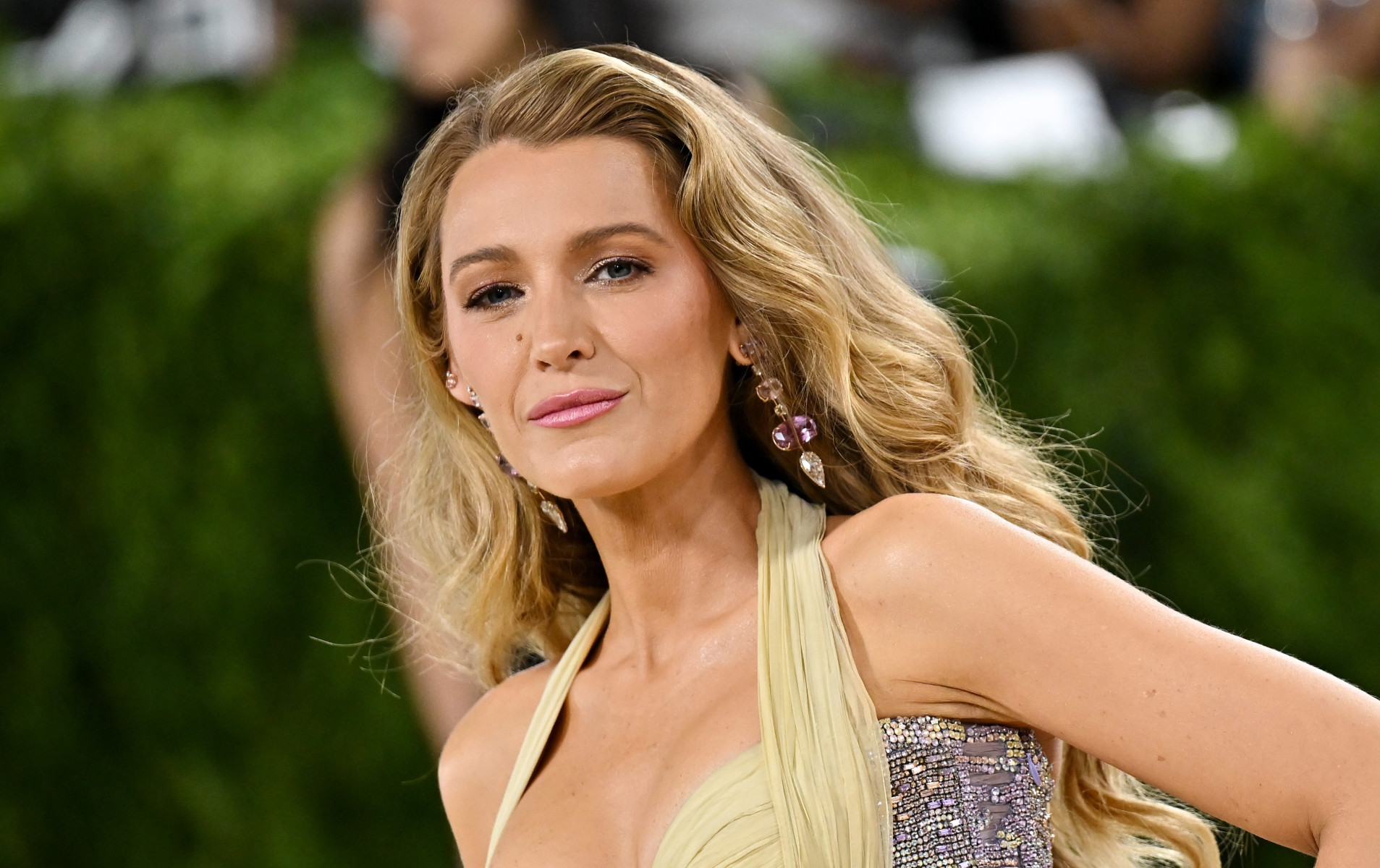
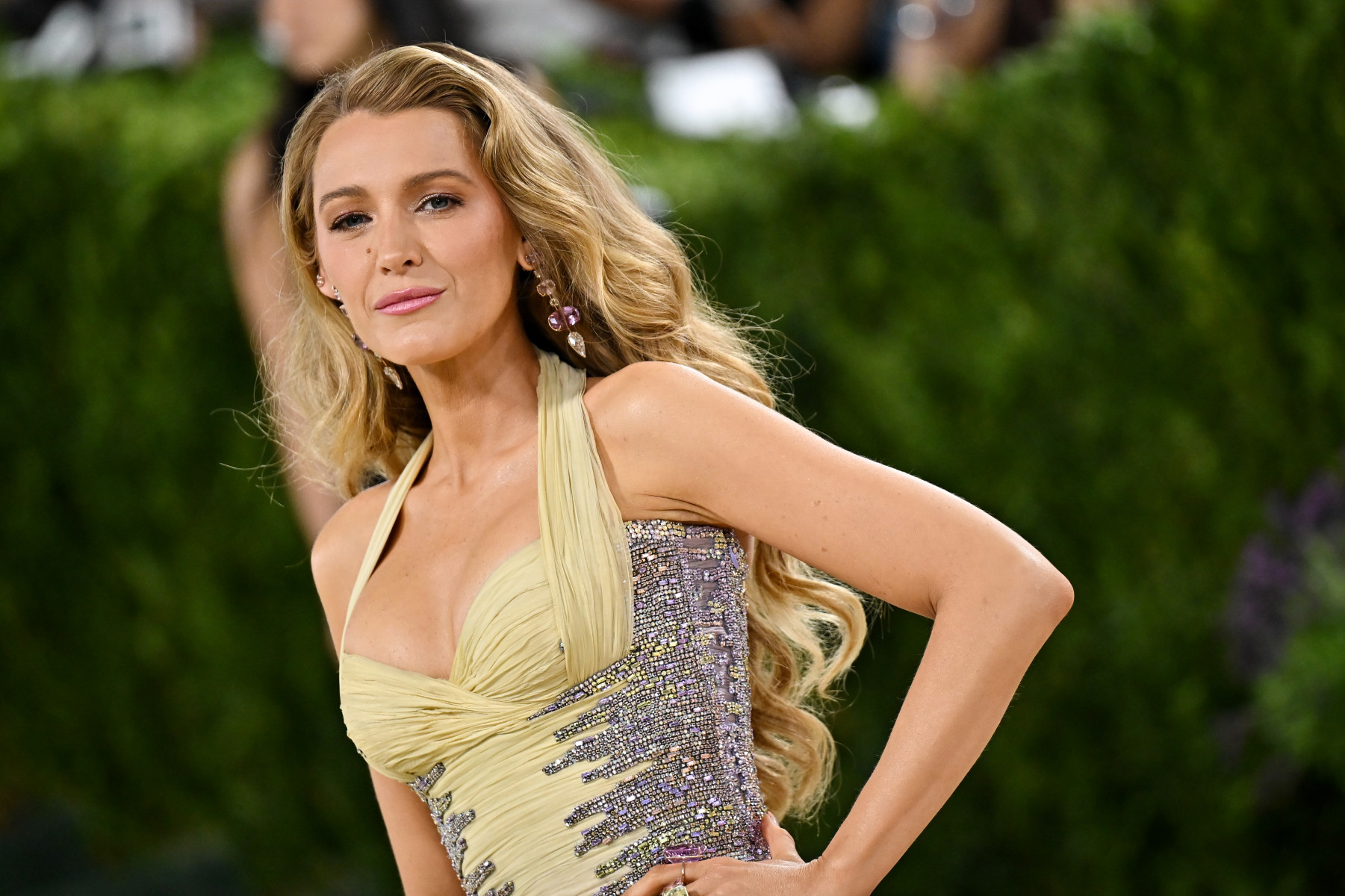
Blake Lively attended a press event, and journalist Kjersti Flaa left feeling like she couldn’t breathe. She kept this story a secret for several years because she was scared.
«I knew that if I reacted, I wouldn’t get opportunities like that again», - Flaa told Page Six this week. She froze, smiled, and kept her job.
The internet immediately wants to find a villain. A toxic celebrity. A weak journalist. Pick a side, voice your opinion, move on.
I want to say something different. What happened in that hotel room is the same thing I observe on my couch in San Francisco every week between two people who love each other but can’t understand why one of them continues to stay silent.
Flaa didn’t choose to freeze. Her nervous system made that decision for her.
We are an interdependent species, needing connection, status, and belonging from birth to death. When any of those three feelings is threatened by someone with a higher perceived status, the body takes over. The thinking brain shuts down. The survival brain chooses a strategy: fight, flight, freeze, appease.
Flaa chose to appease. She maintained a neutral expression because protesting in that room would mean exile from her career. The appeaser thinks, «I probably deserve this, I’m not that great, don’t worry, it’s fine». This is not weakness. It’s a brilliant biological strategy operating at the instinctual level.
I see this constantly with couples I work with. Founders, executives, successful people. One partner is strong in the world, while the other walks on thin ice at home, fearing that the wrong phrase will lead to divorce. They sit on my couch and describe their spouse as an unstoppable force that needs to be appeased.
They are so consumed with managing the mood of the other person that they cannot feel themselves. They suppress their truth, session after session, because they believe that the price of speaking up is complete abandonment.
This is what Flaa describes. It just happened in the workplace.
This is where I lose half the internet. Blake has her reasons too.
Public figures live in an aquarium. Every move they make is watched, judged, screenshot, archived, and fed into an algorithm that rewards outrage and ignores nuance. When your nervous system expects shame every time you open your mouth in public, you stop showing your true self and send in a polished representative whose only job is to control the narrative.
The tragedy is that the very armor a celebrity uses to survive under such pressure is perceived by the person across from them as coldness, disdain, and punishment. Both nervous systems are protecting themselves. Both people miss each other’s humanity. It’s a vicious cycle.
If you’re reading this and recognize the dynamic in your relationships, where one of you takes action and the other goes silent, you might want to take the Empathi relationship test to find out which defensive strategy is driving you.
Because the internet wants you to diagnose Blake. I’m more interested in what drives you.
I’ll say something that might alienate some of my followers: there are no villains here. Your truth makes sense, their truth makes sense, your panicked fear makes sense, their shutdown makes sense. Two truths, one cycle, no villains. People often confuse these rigid defensive adaptations with personality flaws. These are survival strategies. When someone looks angry at you, they are often actually sad, longing for care, and too scared to express it.
So what do you do if you are the one who freezes? Or if your partner continues to shut down next to you?
You stop arguing. You won’t find a cognitive solution to a limbic problem. Successful people try to fix the rift with logic and strategy, and it never works. I tell therapists in training: you can describe a mango to a client, but…
«I knew that if I reacted, I wouldn’t get opportunities like that again», - Flaa told Page Six this week. She froze, smiled, and kept her job.
The internet immediately wants to find a villain. A toxic celebrity. A weak journalist. Pick a side, voice your opinion, move on.
I want to say something different. What happened in that hotel room is the same thing I observe on my couch in San Francisco every week between two people who love each other but can’t understand why one of them continues to stay silent.
Flaa didn’t choose to freeze. Her nervous system made that decision for her.
We are an interdependent species, needing connection, status, and belonging from birth to death. When any of those three feelings is threatened by someone with a higher perceived status, the body takes over. The thinking brain shuts down. The survival brain chooses a strategy: fight, flight, freeze, appease.
Flaa chose to appease. She maintained a neutral expression because protesting in that room would mean exile from her career. The appeaser thinks, «I probably deserve this, I’m not that great, don’t worry, it’s fine». This is not weakness. It’s a brilliant biological strategy operating at the instinctual level.
I see this constantly with couples I work with. Founders, executives, successful people. One partner is strong in the world, while the other walks on thin ice at home, fearing that the wrong phrase will lead to divorce. They sit on my couch and describe their spouse as an unstoppable force that needs to be appeased.
They are so consumed with managing the mood of the other person that they cannot feel themselves. They suppress their truth, session after session, because they believe that the price of speaking up is complete abandonment.
This is what Flaa describes. It just happened in the workplace.
This is where I lose half the internet. Blake has her reasons too.
Public figures live in an aquarium. Every move they make is watched, judged, screenshot, archived, and fed into an algorithm that rewards outrage and ignores nuance. When your nervous system expects shame every time you open your mouth in public, you stop showing your true self and send in a polished representative whose only job is to control the narrative.
The tragedy is that the very armor a celebrity uses to survive under such pressure is perceived by the person across from them as coldness, disdain, and punishment. Both nervous systems are protecting themselves. Both people miss each other’s humanity. It’s a vicious cycle.
If you’re reading this and recognize the dynamic in your relationships, where one of you takes action and the other goes silent, you might want to take the Empathi relationship test to find out which defensive strategy is driving you.
Because the internet wants you to diagnose Blake. I’m more interested in what drives you.
I’ll say something that might alienate some of my followers: there are no villains here. Your truth makes sense, their truth makes sense, your panicked fear makes sense, their shutdown makes sense. Two truths, one cycle, no villains. People often confuse these rigid defensive adaptations with personality flaws. These are survival strategies. When someone looks angry at you, they are often actually sad, longing for care, and too scared to express it.
So what do you do if you are the one who freezes? Or if your partner continues to shut down next to you?
You stop arguing. You won’t find a cognitive solution to a limbic problem. Successful people try to fix the rift with logic and strategy, and it never works. I tell therapists in training: you can describe a mango to a client, but…
© Zhinobaeva Margarita