
Muerte de Amber Nicole Thurman: la historia de una mujer que falleció debido a la prohibición del aborto en Georgia
20 september 2024 в 16:28

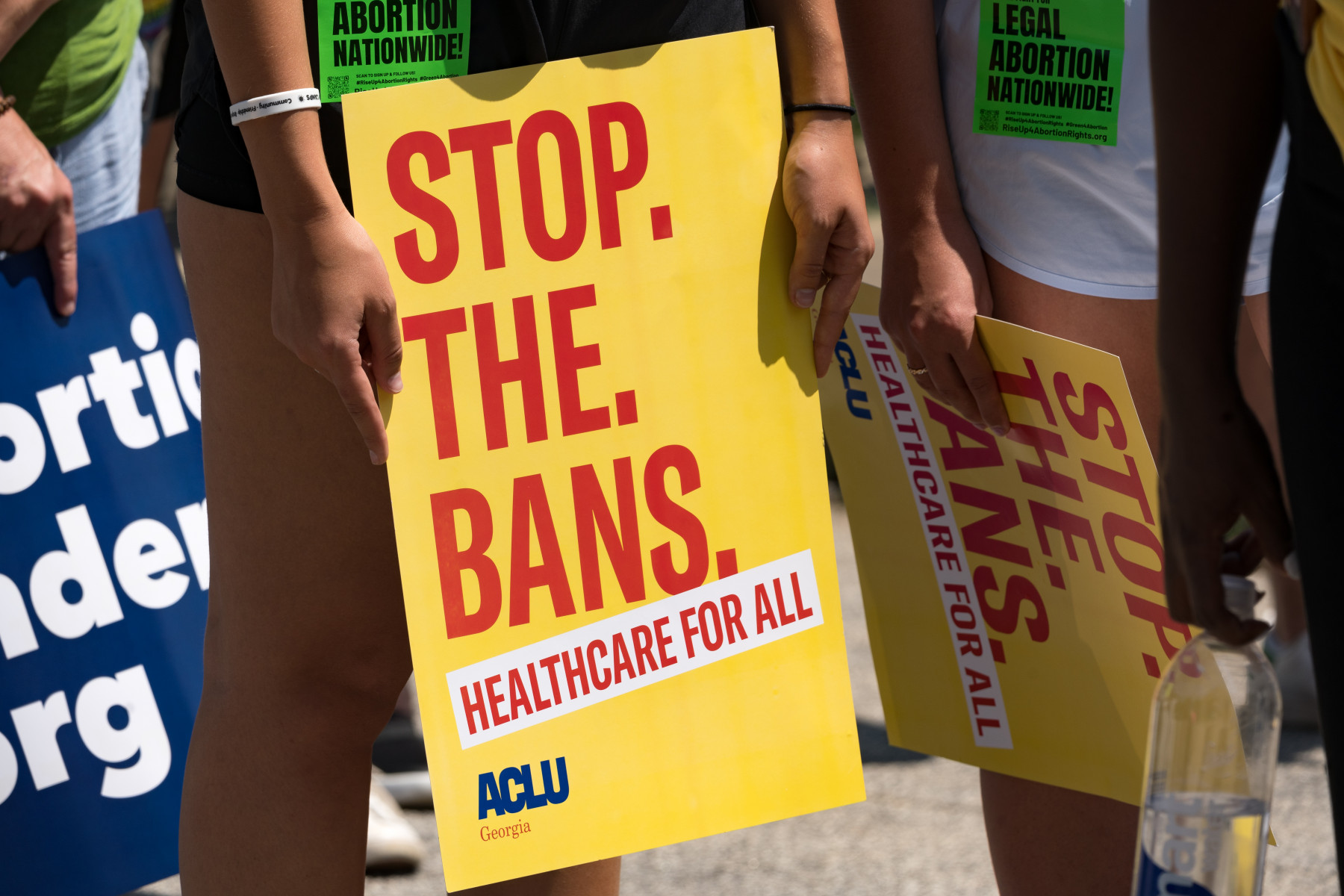
Amber Nicole Thurman, who lived in Georgia, passed away just a few weeks after the ban on abortions came into effect in her state two years ago. Her death was later deemed «preventable» by a state committee of 10 doctors, according to a ProPublica investigative report on Monday.
The 28-year-old medical assistant had just achieved a new level of stability for herself and her young son when she found out she was pregnant with twins in 2022. After her pregnancy exceeded Georgia’s gestational limit, she took a trip to North Carolina with her best friend, where she obtained abortion pills. Although complications from abortion pills are rare, they do happen. In Thurman’s case, not all pregnancy tissue was expelled from her uterus. She was later taken to Piedmont Henry Hospital in the Atlanta suburbs after she began vomiting blood and losing consciousness, according to ProPublica. She arrived with signs of infection, including bleeding, pain, and dropping blood pressure.
However, Georgia’s strict abortion law, which made the necessary dilation and curettage procedure a crime with minor exceptions, delayed her treatment. Thurman suffered in a hospital bed for 20 hours before she died on the operating table.
Here’s everything you need to know about the abortion ban in Georgia and how it has affected and will continue to affect those in need of reproductive medical care.
Georgia enforces a strict abortion ban under House Bill 481, also known as the «Heartbeat Bill». This law prohibits most abortions after approximately six weeks of pregnancy, when embryonic heart activity can usually be detected. The six-week ban often hinders people from accessing abortion services before they even realize they are pregnant.
Exceptions to the law are limited to cases of rape, incest (with a filed police report), or when the mother’s life is in danger — criteria that have no scientific basis and ignore rapidly changing realities of medical emergencies. Doctors' decisions may be called into question, as any doctor who violates Georgia law faces the threat of prosecution and up to ten years in prison.
Amber should have been here today.
Reproductive care is healthcare. #WinWithBlackWomen #UniteforAmerica pic.twitter.com/gyg6bbbgkf
— Win With Black Women (@WinWithBLKWomen) September 20, 2024
Thurman’s death could have been prevented with a D&C, a simple 15-minute procedure to clean out the contents of the uterus. However, Georgia’s abortion ban made performing D&C illegal unless it was a «spontaneous» or «naturally occurring» miscarriage. Since Thurman took abortion pills, her miscarriage was deemed illegal for treatment. She suffered in a hospital bed for 20 hours, developing sepsis and organ failure. By the time doctors finally began treating her, it was already too late.
The state’s main anti-abortion lobbyist, Will Brewer, opposed changing the law, claiming that some pregnancy complications «resolve themselves» and that doctors should be required to «pause and wait to see how it goes»
The 28-year-old medical assistant had just achieved a new level of stability for herself and her young son when she found out she was pregnant with twins in 2022. After her pregnancy exceeded Georgia’s gestational limit, she took a trip to North Carolina with her best friend, where she obtained abortion pills. Although complications from abortion pills are rare, they do happen. In Thurman’s case, not all pregnancy tissue was expelled from her uterus. She was later taken to Piedmont Henry Hospital in the Atlanta suburbs after she began vomiting blood and losing consciousness, according to ProPublica. She arrived with signs of infection, including bleeding, pain, and dropping blood pressure.
However, Georgia’s strict abortion law, which made the necessary dilation and curettage procedure a crime with minor exceptions, delayed her treatment. Thurman suffered in a hospital bed for 20 hours before she died on the operating table.
Here’s everything you need to know about the abortion ban in Georgia and how it has affected and will continue to affect those in need of reproductive medical care.
Georgia enforces a strict abortion ban under House Bill 481, also known as the «Heartbeat Bill». This law prohibits most abortions after approximately six weeks of pregnancy, when embryonic heart activity can usually be detected. The six-week ban often hinders people from accessing abortion services before they even realize they are pregnant.
Exceptions to the law are limited to cases of rape, incest (with a filed police report), or when the mother’s life is in danger — criteria that have no scientific basis and ignore rapidly changing realities of medical emergencies. Doctors' decisions may be called into question, as any doctor who violates Georgia law faces the threat of prosecution and up to ten years in prison.
Amber should have been here today.
Reproductive care is healthcare. #WinWithBlackWomen #UniteforAmerica pic.twitter.com/gyg6bbbgkf
— Win With Black Women (@WinWithBLKWomen) September 20, 2024
Thurman’s death could have been prevented with a D&C, a simple 15-minute procedure to clean out the contents of the uterus. However, Georgia’s abortion ban made performing D&C illegal unless it was a «spontaneous» or «naturally occurring» miscarriage. Since Thurman took abortion pills, her miscarriage was deemed illegal for treatment. She suffered in a hospital bed for 20 hours, developing sepsis and organ failure. By the time doctors finally began treating her, it was already too late.
The state’s main anti-abortion lobbyist, Will Brewer, opposed changing the law, claiming that some pregnancy complications «resolve themselves» and that doctors should be required to «pause and wait to see how it goes»
© Smirnova Olga