
Snow fell on Mauna Kea: an unusual winter in Hawaii
31 october 2024 в 21:37
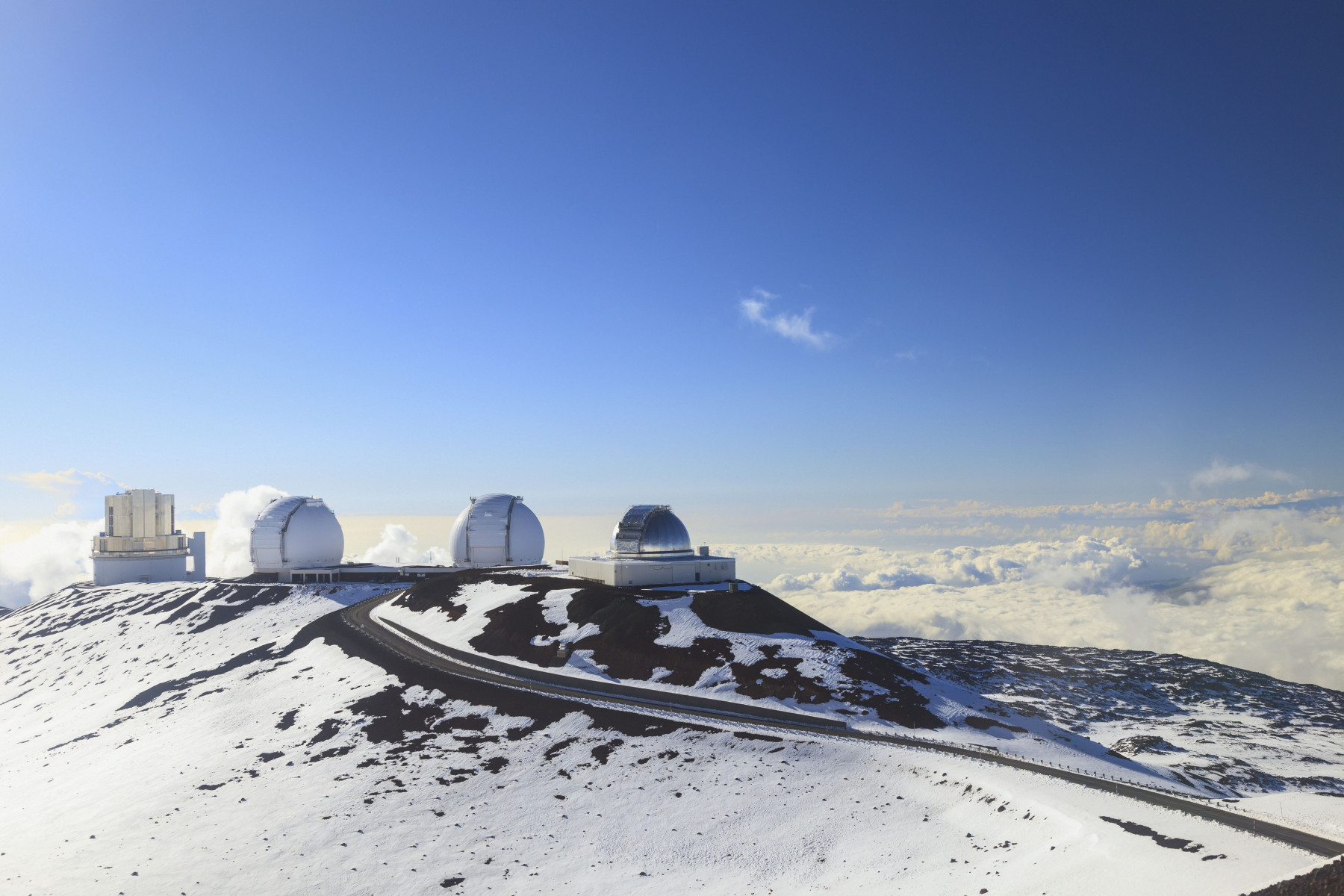
The island of Hawaii is usually known for its warm tropical climate, stunning beaches, and clear skies, rather than snowy winters. However, at this time of year, the summit of Mauna Kea may experience snowfall, making the sight of white powder a seasonal occurrence.
Here is more information about the weather in this unique part of Hawaii, as well as additional information about the summit.
On Mauna Kea, the highest peak in Hawaii, snow fell this week, covering the summit with two inches (five centimeters) of white powder.
At an elevation of 13,803 feet (4207 meters) above sea level, the high absolute height of the summit allows temperatures to drop below freezing year-round. As a result, Mauna Kea often experiences snowfall several times a year, especially during Hawaii’s wet season, which lasts from October to April.
This week, the upper level disturbance brought colder temperatures as moisture moved in from the east and passed over the islands from Sunday to Monday, said Morin Ballard, senior meteorologist at the National Weather Service in Honolulu. «The combination of cold temperatures and moisture leads to snow when the temperature drops below freezing», - Ballard said.
Several astronomical observatories are located on the summit of Mauna Kea, taking advantage of the high absolute height and limited light pollution, creating optimal conditions for stargazing and research. The Mauna Kea observatories are among the most significant astronomical research institutions in the world. About a dozen telescopes have been built there, leading to Nobel Prize-winning discoveries and some of the first images of exoplanets.
No one lives on the summit of Mauna Kea, and the construction of observatories has sparked controversy and protests, especially among native Hawaiians who believe that their cultural beliefs and environment are under threat.
Ancient legends describe Mauna Kea as the firstborn son of the sky father and earth mother. It is also associated with the goddess Poliʻahu, who is believed to reside on the mountain and bring snow
Here is more information about the weather in this unique part of Hawaii, as well as additional information about the summit.
On Mauna Kea, the highest peak in Hawaii, snow fell this week, covering the summit with two inches (five centimeters) of white powder.
At an elevation of 13,803 feet (4207 meters) above sea level, the high absolute height of the summit allows temperatures to drop below freezing year-round. As a result, Mauna Kea often experiences snowfall several times a year, especially during Hawaii’s wet season, which lasts from October to April.
This week, the upper level disturbance brought colder temperatures as moisture moved in from the east and passed over the islands from Sunday to Monday, said Morin Ballard, senior meteorologist at the National Weather Service in Honolulu. «The combination of cold temperatures and moisture leads to snow when the temperature drops below freezing», - Ballard said.
Several astronomical observatories are located on the summit of Mauna Kea, taking advantage of the high absolute height and limited light pollution, creating optimal conditions for stargazing and research. The Mauna Kea observatories are among the most significant astronomical research institutions in the world. About a dozen telescopes have been built there, leading to Nobel Prize-winning discoveries and some of the first images of exoplanets.
No one lives on the summit of Mauna Kea, and the construction of observatories has sparked controversy and protests, especially among native Hawaiians who believe that their cultural beliefs and environment are under threat.
Ancient legends describe Mauna Kea as the firstborn son of the sky father and earth mother. It is also associated with the goddess Poliʻahu, who is believed to reside on the mountain and bring snow
© Kolganov Andrey