
SpaceX launched a pair of Maxar Intelligence satellites from Cape Canaveral Spaceport, Florida
15 august 2024 в 20:13
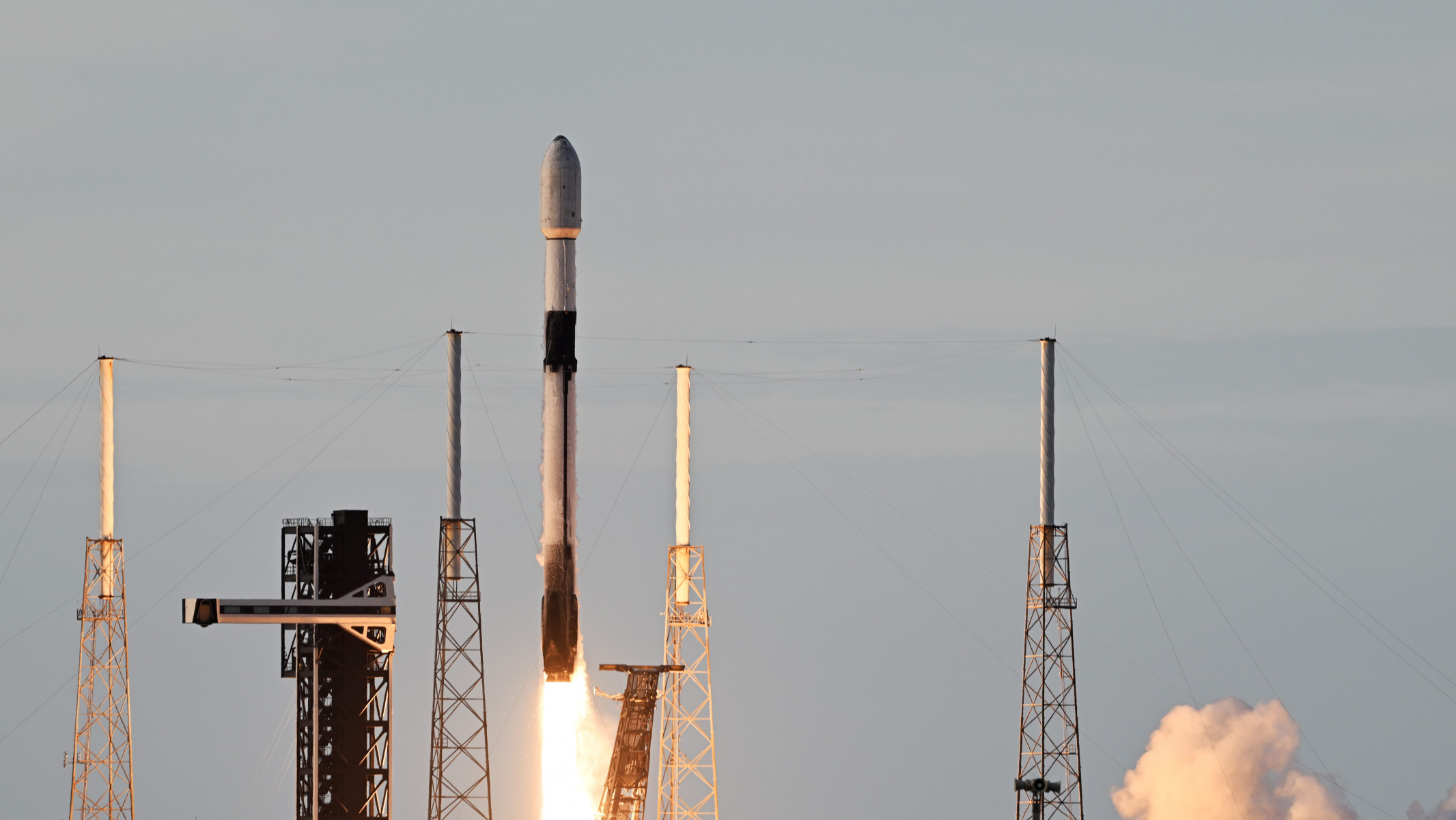
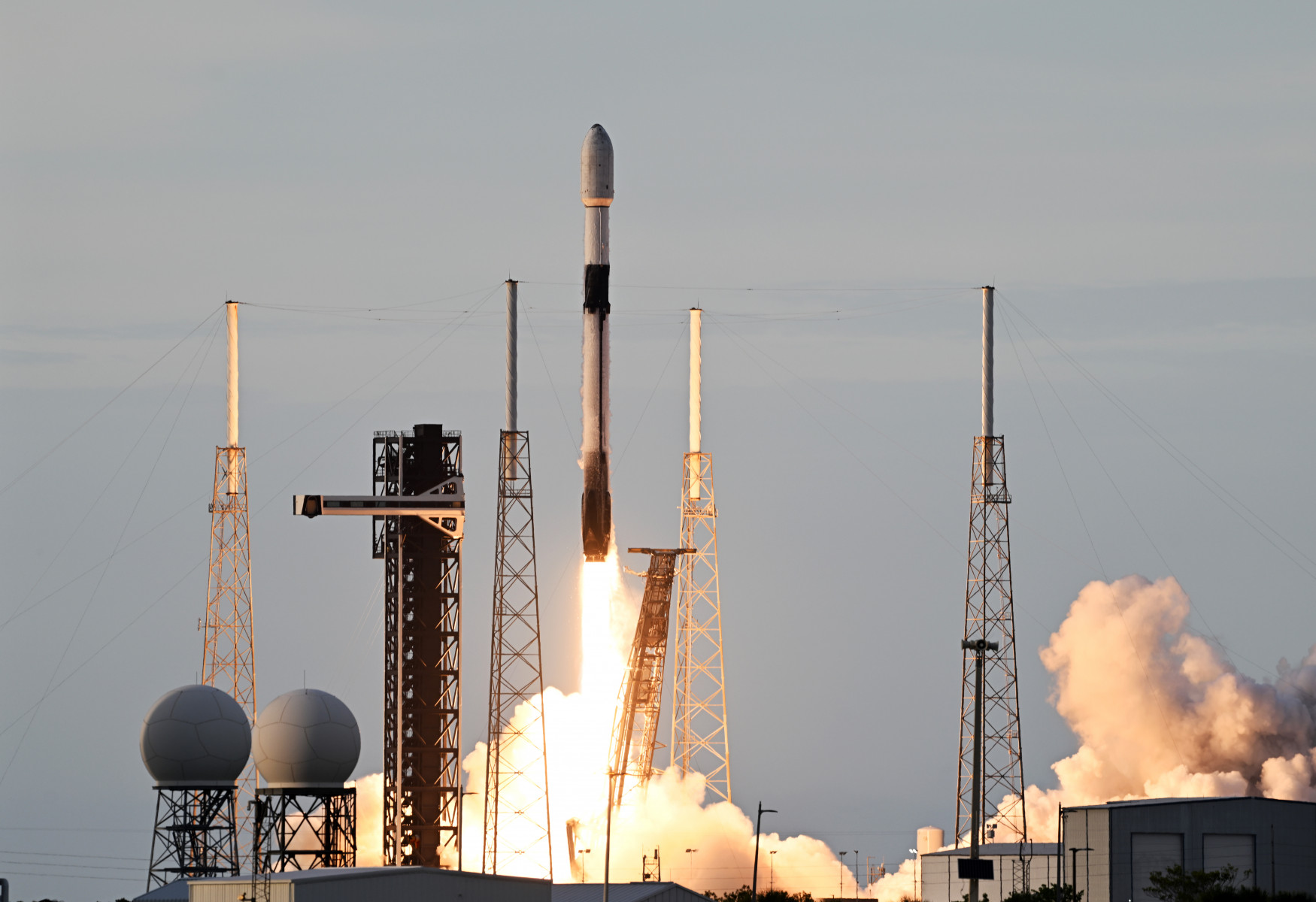
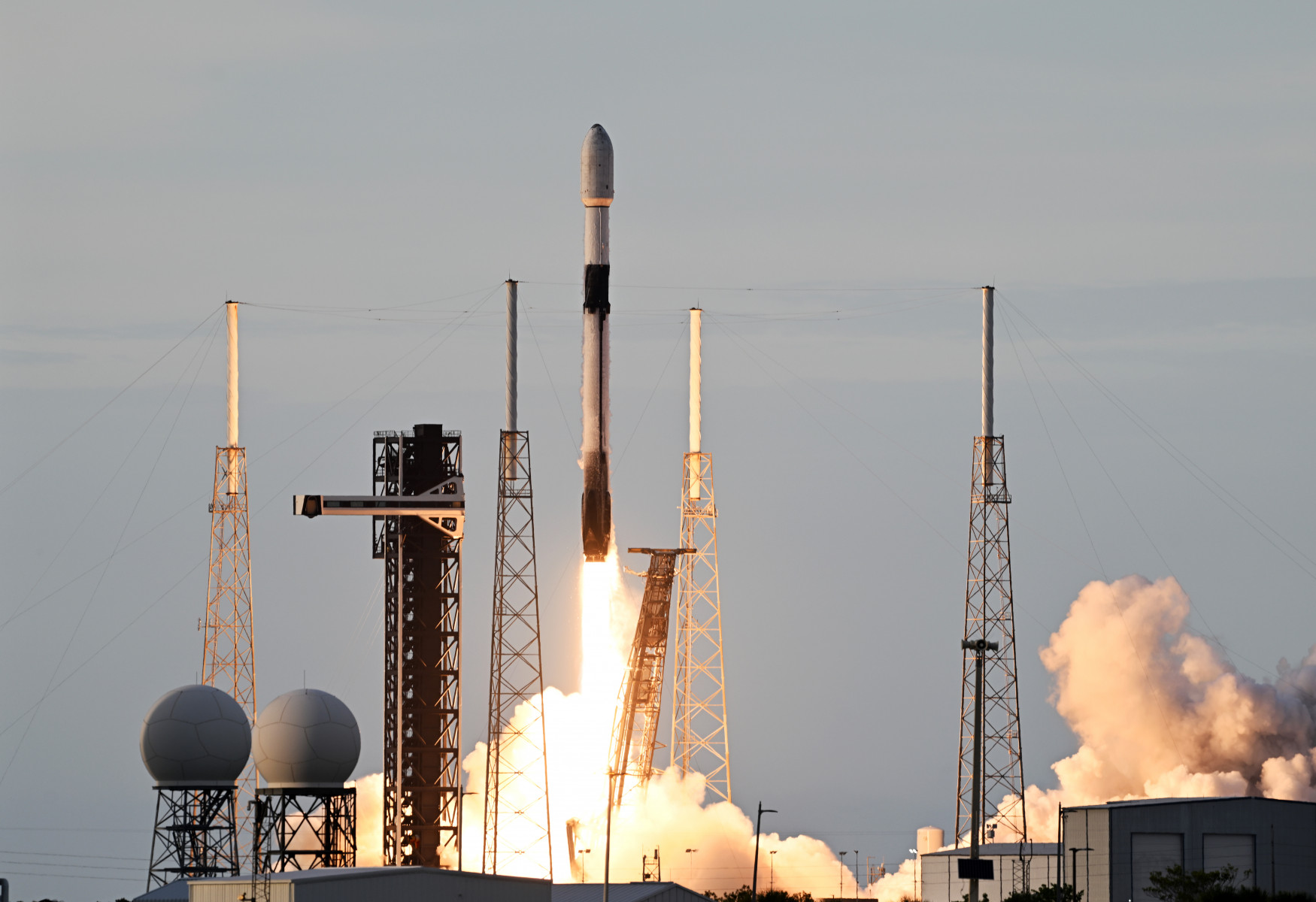
SpaceX Falcon 9 launched a pair of Maxar Intelligence satellites for Earth imaging from Cape Canaveral Space Force Station, Florida, on August 15.
The two Earth imaging satellites, launched at 9:00 am, continue to expand Maxar’s WorldView Legion constellation. SpaceX confirmed the deployment of one of the satellites approximately 50 minutes after launch.
The launch — the 79th for SpaceX in 2024 — is the second of three required to deliver the constellation of six high-resolution WorldView Legion imaging satellites for the company. Falcon 9 launched the first two on May 2 from Vandenberg Space Force Base, California. The first images from these satellites were published last month, providing coverage of the most populated regions.
«When all six WorldView Legion satellites are launched, it will triple Maxar Intelligence’s capabilities for collecting 30-centimeter class images and multispectral images», - representatives of Maxar wrote in the description of the network.
«The full constellation of 10 Maxar electro-optical satellites will capture the fastest changing areas on Earth with a frequency of up to 20−30 minutes, from sunrise to sunset», - they added.
The WorldView Legion constellation will ultimately consist of electro-optical imaging satellites with a resolution of 30 centimeters, used for image collection and planet mapping. Maxar Intelligence is a major supplier of commercial electro-optical images to the US government. In 2022, the company won a $ 3.2 billion contract from the National Reconnaissance Office to provide image and mapping services for a decade.
Recently, the SpaceX Falcon 9 rocket lifted off from Vandenberg Space Force Base in California on Sunday evening, August 11, sending two satellites into orbit that will provide broadband coverage in the Arctic.
The two satellites of the Arctic Satellite Broadband Mission (ASBM) «are intended to expand broadband coverage in the Arctic region for the US Air Force and Space Norway», - as reported by aerospace giant Northrop Grumman, which built the two mission satellites.
The ASBM satellites — which will operate in a highly elliptical orbit to reach their coverage area — carry several instruments, «including military payloads for the US and Norwegian Armed Forces, as well as commercial payloads for Viasat and a radiation monitor for the European Commission», - Northrop Grumman wrote in the mission description
The two Earth imaging satellites, launched at 9:00 am, continue to expand Maxar’s WorldView Legion constellation. SpaceX confirmed the deployment of one of the satellites approximately 50 minutes after launch.
The launch — the 79th for SpaceX in 2024 — is the second of three required to deliver the constellation of six high-resolution WorldView Legion imaging satellites for the company. Falcon 9 launched the first two on May 2 from Vandenberg Space Force Base, California. The first images from these satellites were published last month, providing coverage of the most populated regions.
«When all six WorldView Legion satellites are launched, it will triple Maxar Intelligence’s capabilities for collecting 30-centimeter class images and multispectral images», - representatives of Maxar wrote in the description of the network.
«The full constellation of 10 Maxar electro-optical satellites will capture the fastest changing areas on Earth with a frequency of up to 20−30 minutes, from sunrise to sunset», - they added.
The WorldView Legion constellation will ultimately consist of electro-optical imaging satellites with a resolution of 30 centimeters, used for image collection and planet mapping. Maxar Intelligence is a major supplier of commercial electro-optical images to the US government. In 2022, the company won a $ 3.2 billion contract from the National Reconnaissance Office to provide image and mapping services for a decade.
Recently, the SpaceX Falcon 9 rocket lifted off from Vandenberg Space Force Base in California on Sunday evening, August 11, sending two satellites into orbit that will provide broadband coverage in the Arctic.
The two satellites of the Arctic Satellite Broadband Mission (ASBM) «are intended to expand broadband coverage in the Arctic region for the US Air Force and Space Norway», - as reported by aerospace giant Northrop Grumman, which built the two mission satellites.
The ASBM satellites — which will operate in a highly elliptical orbit to reach their coverage area — carry several instruments, «including military payloads for the US and Norwegian Armed Forces, as well as commercial payloads for Viasat and a radiation monitor for the European Commission», - Northrop Grumman wrote in the mission description
© Zhinobaeva Margarita