
Spirit Airlines has declared bankruptcy: what does this mean for the airline?
18 november 2024 в 22:13
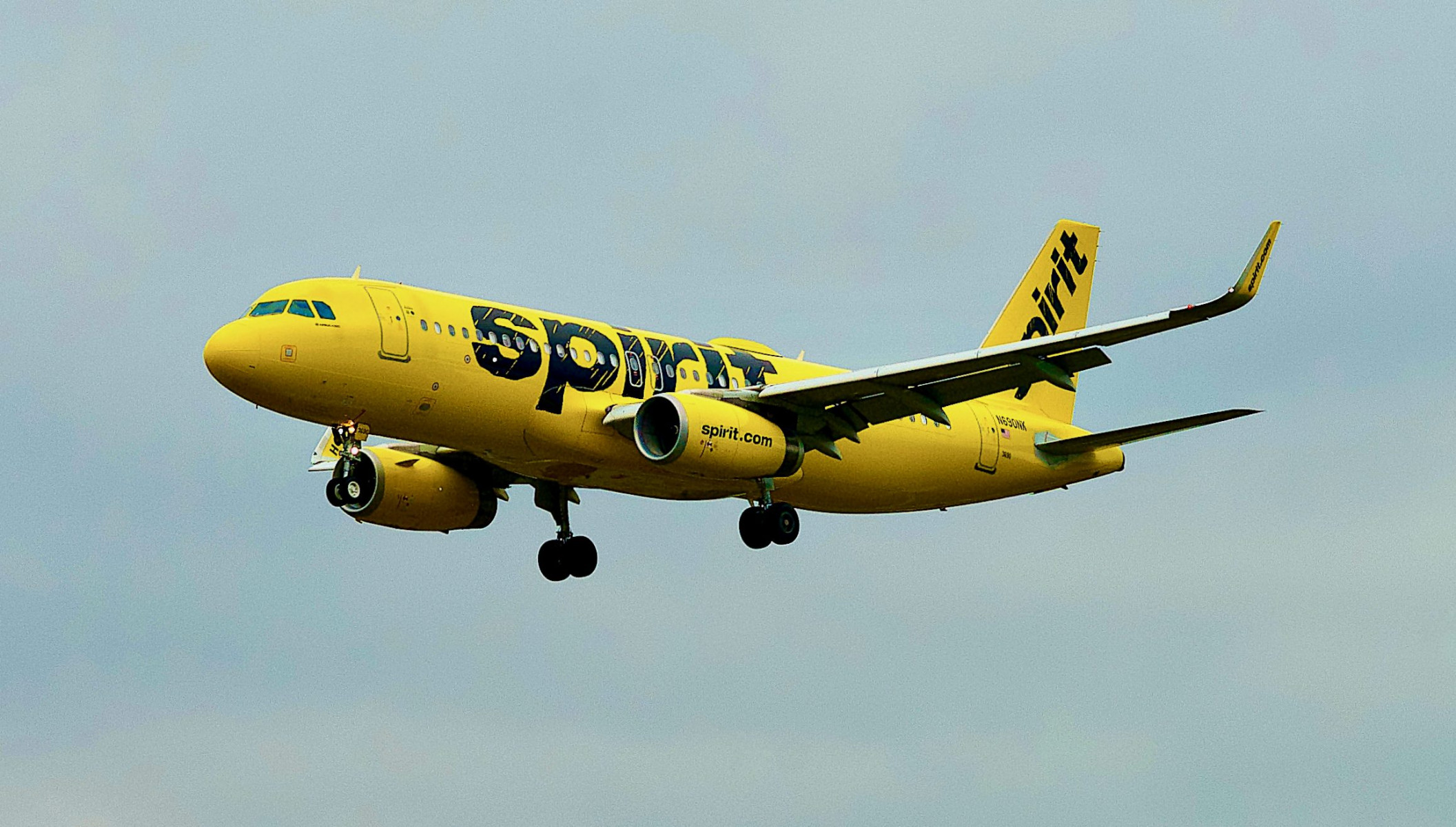
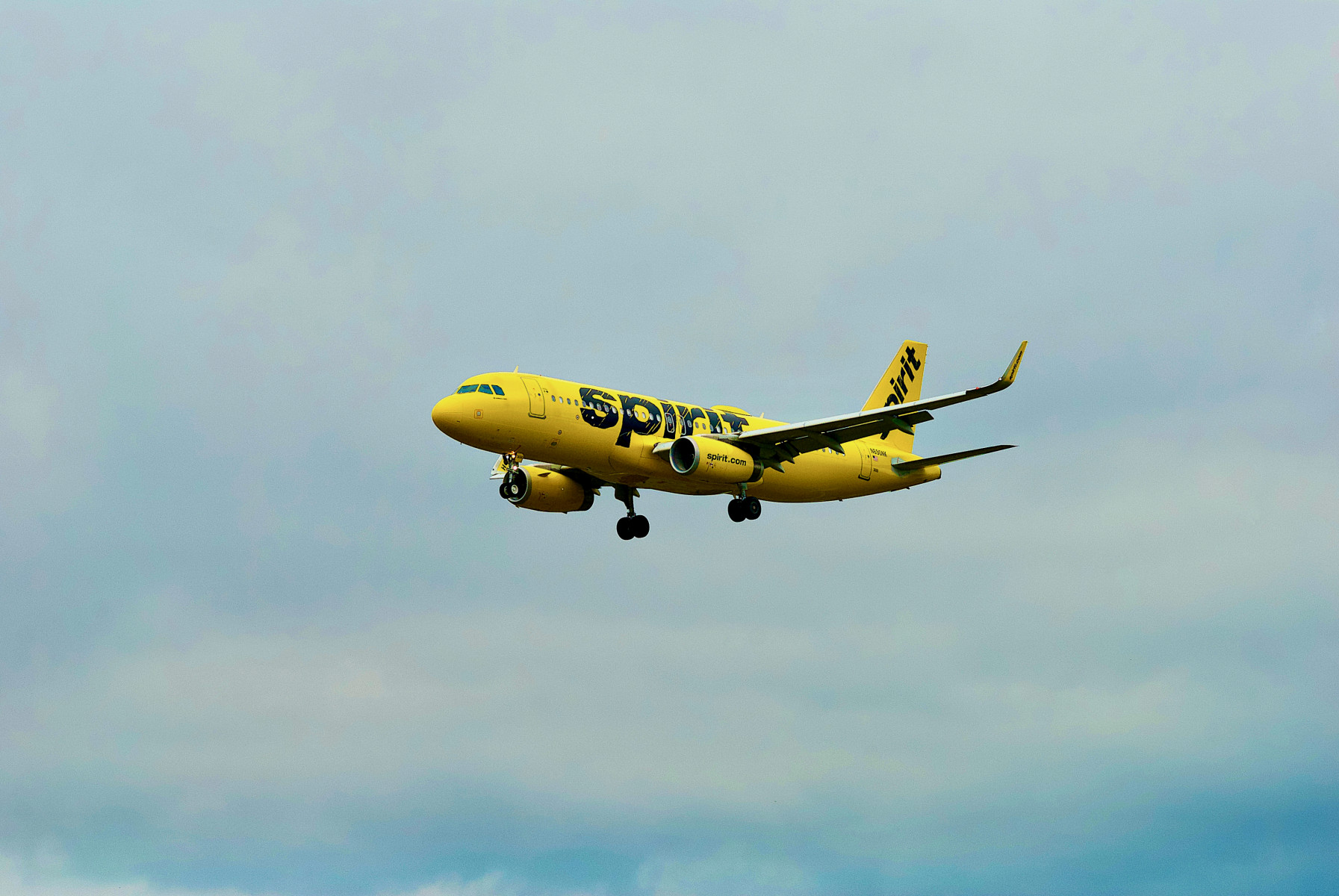
Spirit Airlines is known for its low ticket prices — and even lower service standards — but it has been facing years of increasing losses and, more recently, a failed merger.
On Monday, the budget carrier filed for Chapter 11 bankruptcy. Here’s what you need to know about Spirit’s financial difficulties and what this decision means for the airline’s future.
Spirit Airlines has been facing financial problems for some time, so its decision to file for bankruptcy protection was not entirely unexpected. Rising costs, especially in labor, have strained the airline’s operations. Meanwhile, major U.S. carriers have captured some of Spirit’s budget customers by offering their own discounted ticket options.
The airline has not been profitable since 2019, and in the first half of this year, it incurred losses of over $ 335 million. Spirit’s bankruptcy filing makes it the first major U.S. airline to seek Chapter 11 protection since American Airlines did so 13 years ago.
Spirit Airlines has stated that it expects to continue operations as usual, participating in a «pre-arranged, simplified» Chapter 11 bankruptcy process, assuring customers that they can still book and fly without disruptions. The airline has also confirmed that Chapter 11 procedures will not affect employee salaries or benefits.
CEO Ted Christie emphasized in a letter to customers on Monday: «The most important thing to know is that you can continue to book and fly now and in the future».
Chapter 11 bankruptcy is a legal process that allows a company to reorganize its finances and operations while continuing to conduct business. Typically used by corporations, it provides protection from creditors, giving them time to restructure debt, renegotiate contracts, and create a plan to return to profitability. Under Chapter 11, the company remains in control of its day-to-day operations (known as a «debtor-in-possession»), but is supervised by the court. The goal is to restore the company to financial health without resorting to liquidation, which often occurs in Chapter 7 bankruptcy.
The proposed $ 3.8 billion merger between JetBlue and Spirit ultimately failed due to a combination of regulatory obstacles, competitive issues, and broader industry dynamics.
The U.S. Department of Justice (DOJ) expressed serious antitrust concerns about the merger. Spirit Airlines is known for its ultra-low-cost model, serving a significant portion of budget travelers, while JetBlue is positioned as a low-cost full-service carrier. The DOJ argued that combining these two airlines would reduce competition in the domestic market, especially for budget airlines, and lead to higher fares for consumers.
Earlier this year, JetBlue’s new CEO Joanna Geraghty described the merger as a «bold and daring plan» aimed at disrupting the industry and accelerating JetBlue’s growth. However, she noted that the uncertainty surrounding the merger had distracted the company from efforts to return to profitability
On Monday, the budget carrier filed for Chapter 11 bankruptcy. Here’s what you need to know about Spirit’s financial difficulties and what this decision means for the airline’s future.
Spirit Airlines has been facing financial problems for some time, so its decision to file for bankruptcy protection was not entirely unexpected. Rising costs, especially in labor, have strained the airline’s operations. Meanwhile, major U.S. carriers have captured some of Spirit’s budget customers by offering their own discounted ticket options.
The airline has not been profitable since 2019, and in the first half of this year, it incurred losses of over $ 335 million. Spirit’s bankruptcy filing makes it the first major U.S. airline to seek Chapter 11 protection since American Airlines did so 13 years ago.
Spirit Airlines has stated that it expects to continue operations as usual, participating in a «pre-arranged, simplified» Chapter 11 bankruptcy process, assuring customers that they can still book and fly without disruptions. The airline has also confirmed that Chapter 11 procedures will not affect employee salaries or benefits.
CEO Ted Christie emphasized in a letter to customers on Monday: «The most important thing to know is that you can continue to book and fly now and in the future».
Chapter 11 bankruptcy is a legal process that allows a company to reorganize its finances and operations while continuing to conduct business. Typically used by corporations, it provides protection from creditors, giving them time to restructure debt, renegotiate contracts, and create a plan to return to profitability. Under Chapter 11, the company remains in control of its day-to-day operations (known as a «debtor-in-possession»), but is supervised by the court. The goal is to restore the company to financial health without resorting to liquidation, which often occurs in Chapter 7 bankruptcy.
The proposed $ 3.8 billion merger between JetBlue and Spirit ultimately failed due to a combination of regulatory obstacles, competitive issues, and broader industry dynamics.
The U.S. Department of Justice (DOJ) expressed serious antitrust concerns about the merger. Spirit Airlines is known for its ultra-low-cost model, serving a significant portion of budget travelers, while JetBlue is positioned as a low-cost full-service carrier. The DOJ argued that combining these two airlines would reduce competition in the domestic market, especially for budget airlines, and lead to higher fares for consumers.
Earlier this year, JetBlue’s new CEO Joanna Geraghty described the merger as a «bold and daring plan» aimed at disrupting the industry and accelerating JetBlue’s growth. However, she noted that the uncertainty surrounding the merger had distracted the company from efforts to return to profitability
© Artemenko Olga