The translation of the text «Сравнение подходов к детям у Кембриджей и Сассексов» into English is: «Comparison of approaches to children in Cambridge and Sussex»
3 august 2026 в 16:37
It’s funny when Tom Sykes writes an 1100-word post on Substack that could be summarized in one sentence. He did this shortly after the Duchess of Sussex published an «Instagram carousel that toppled the monarchy». Sykes spent several pages outraged by the photos, while I summarized his argument as: «How dare Meghan show off her happy summer vacation when we did everything possible to humiliate and target her!» That’s it. He was angry that the Instagram carousel featured many cute family photos, despite numerous attempts to disrupt the family’s visit. Sykes' latest post on Royalist Substack can also be boiled down to one sentence: «Prince William and Kate allow people to see their children’s faces, which makes them better than the Sussexes!» If you enjoy seeing the entire Wales/Rothesay family at the Commonwealth Games, why even mention the Sussexes in the conversation?
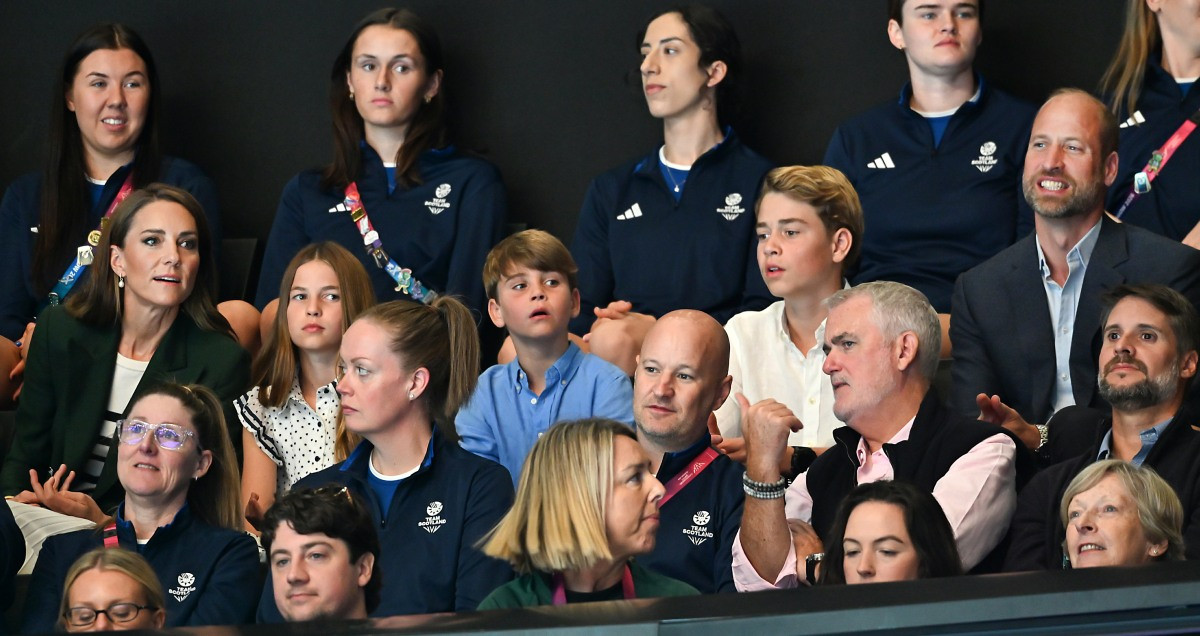
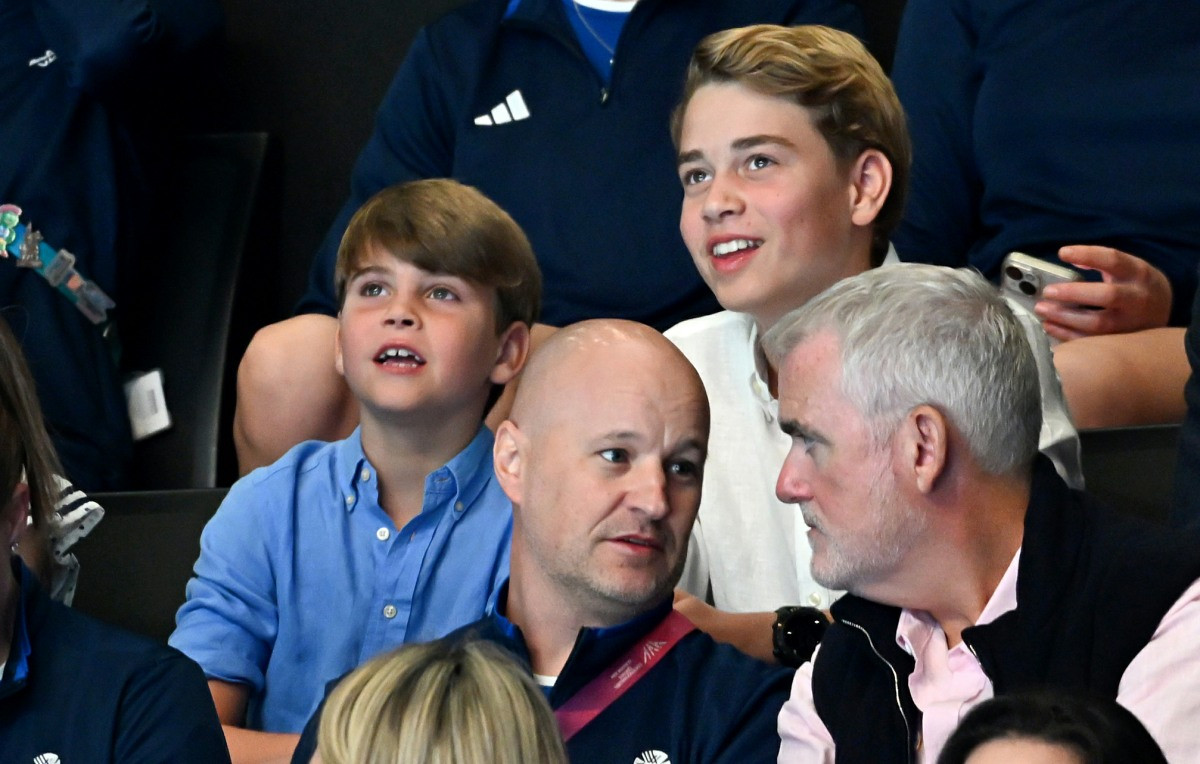
Photos of Prince Louis smiling in the stands of Sir Chris Hoy’s velodrome on Saturday, watching the cycling events at the Commonwealth Games in Glasgow while wearing a bucket hat that says «Beicio Cymru» (cycling in Welsh), naturally drew attention. But look at the broader set of images from Glasgow (five members of the Wales family sitting together in the stands)… and you will see the most successful media strategy in modern royal history operating at its peak.
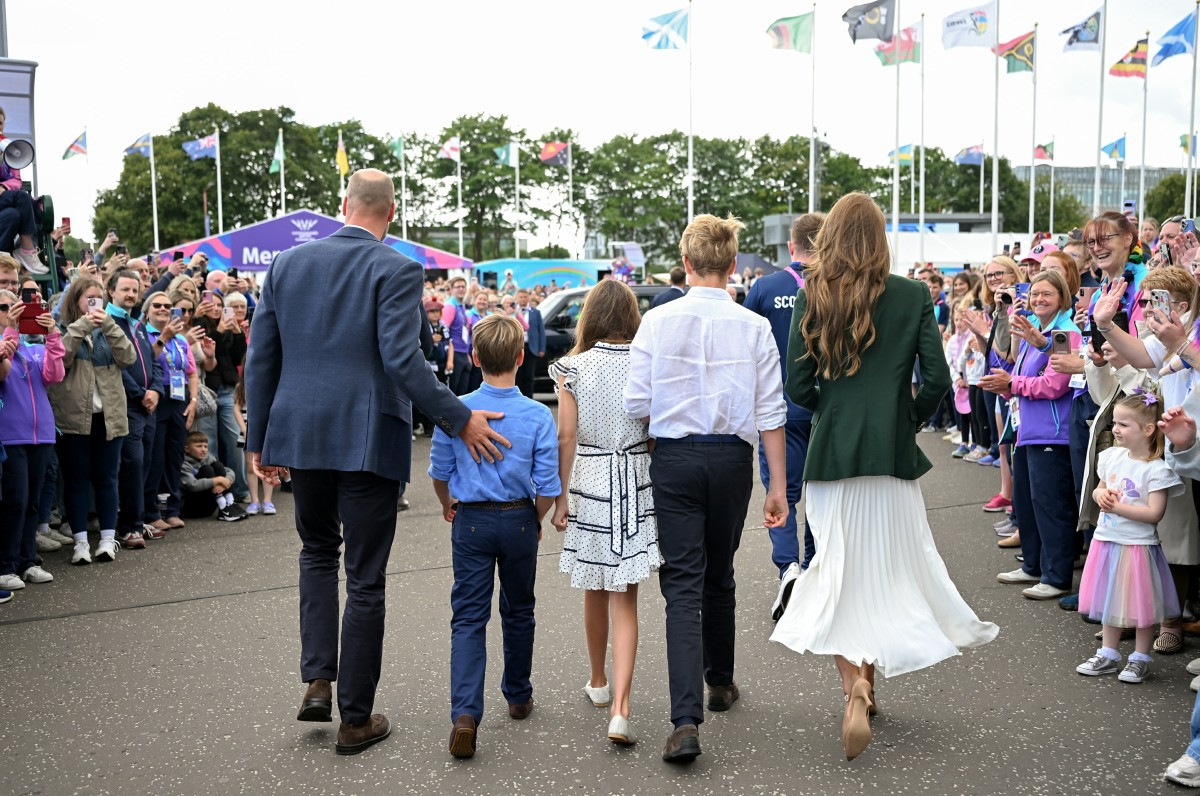
The choreography was classic Kensington Palace. The visit by William and Catherine (as the Duke and Duchess of Rothesay) was announced in advance; the presence of all three children was kept a secret until their appearance. This was, remarkably, the first public appearance of the children in Scotland, a country with which the family has deep ties through Balmoral. It was also Louis' first major international sporting event, which his older siblings attended many years ago at Wimbledon and the Euros.
The natural point of comparison, of course, is Montecito. Harry and Meghan’s approach to their children (hiding, or rather, partially strategically hiding them) has created a very strange atmosphere around photos of Archie and Lilibet. The indirect message that one should hide their children implies that anyone wanting to see their photos is suspicious, that the very interest is somehow unhealthy. And yet images emerge, whether it’s Lilibet bringing flowers to Diana’s grave or a classic shiny Instagram montage (a child laughing as they leap into a pool, dancing, baking cookies, a little hand reaching for jam), it always seems that there is a hidden motive behind it: a commercial launch, stirring up controversy, a scorecard. It never seems possible that it could just be a good, simple photo of children.
The emotional grammar of the two streams of photos is completely different. Images of Harry and Meghan evoke envy. Look at the pool, the gardens, the closet reportedly filled with a quarter of a million dollars' worth of Chloé clothing before a trip to Geneva. Isn’t our life amazing? Whereas images of Wales, on the other hand, are based on public service. The visit on Saturday was essentially an advertisement for the Commonwealth Games, an event so ignored in the UK that it no longer receives widespread airtime. The message for the children is read in the photos themselves: this is what we do: wear your best outfits, come, behave well, wave. This is public service being instilled in the next generation in real time, and the public can see it happening.
If William and Kate’s strategy of allowing the public to see their children is so «successful», - then why even mention the Sussexes? If people enjoy seeing George, Charlotte, and Louis, why does every glance at them…
Photos of Prince Louis smiling in the stands of Sir Chris Hoy’s velodrome on Saturday, watching the cycling events at the Commonwealth Games in Glasgow while wearing a bucket hat that says «Beicio Cymru» (cycling in Welsh), naturally drew attention. But look at the broader set of images from Glasgow (five members of the Wales family sitting together in the stands)… and you will see the most successful media strategy in modern royal history operating at its peak.
The choreography was classic Kensington Palace. The visit by William and Catherine (as the Duke and Duchess of Rothesay) was announced in advance; the presence of all three children was kept a secret until their appearance. This was, remarkably, the first public appearance of the children in Scotland, a country with which the family has deep ties through Balmoral. It was also Louis' first major international sporting event, which his older siblings attended many years ago at Wimbledon and the Euros.
The natural point of comparison, of course, is Montecito. Harry and Meghan’s approach to their children (hiding, or rather, partially strategically hiding them) has created a very strange atmosphere around photos of Archie and Lilibet. The indirect message that one should hide their children implies that anyone wanting to see their photos is suspicious, that the very interest is somehow unhealthy. And yet images emerge, whether it’s Lilibet bringing flowers to Diana’s grave or a classic shiny Instagram montage (a child laughing as they leap into a pool, dancing, baking cookies, a little hand reaching for jam), it always seems that there is a hidden motive behind it: a commercial launch, stirring up controversy, a scorecard. It never seems possible that it could just be a good, simple photo of children.
The emotional grammar of the two streams of photos is completely different. Images of Harry and Meghan evoke envy. Look at the pool, the gardens, the closet reportedly filled with a quarter of a million dollars' worth of Chloé clothing before a trip to Geneva. Isn’t our life amazing? Whereas images of Wales, on the other hand, are based on public service. The visit on Saturday was essentially an advertisement for the Commonwealth Games, an event so ignored in the UK that it no longer receives widespread airtime. The message for the children is read in the photos themselves: this is what we do: wear your best outfits, come, behave well, wave. This is public service being instilled in the next generation in real time, and the public can see it happening.
If William and Kate’s strategy of allowing the public to see their children is so «successful», - then why even mention the Sussexes? If people enjoy seeing George, Charlotte, and Louis, why does every glance at them…
© Smirnova Olga