The translation of the text «Свадьба Тейлор Свифт и Трэвиса Келси: ожидания и реальность» into English is: «The Wedding of Taylor Swift and Travis Kelce: Expectations and Reality»
17 june 2026 в 17:13
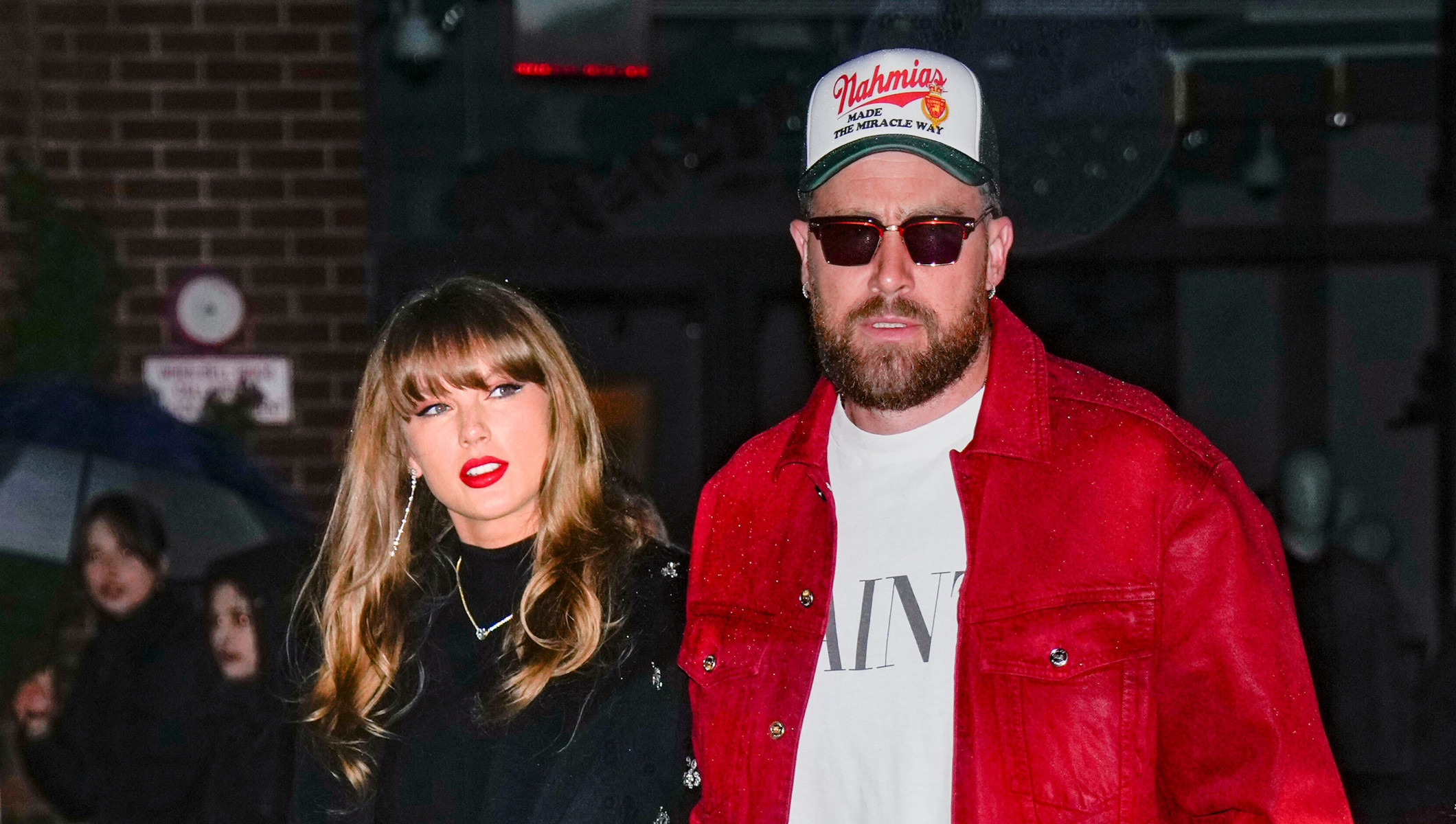
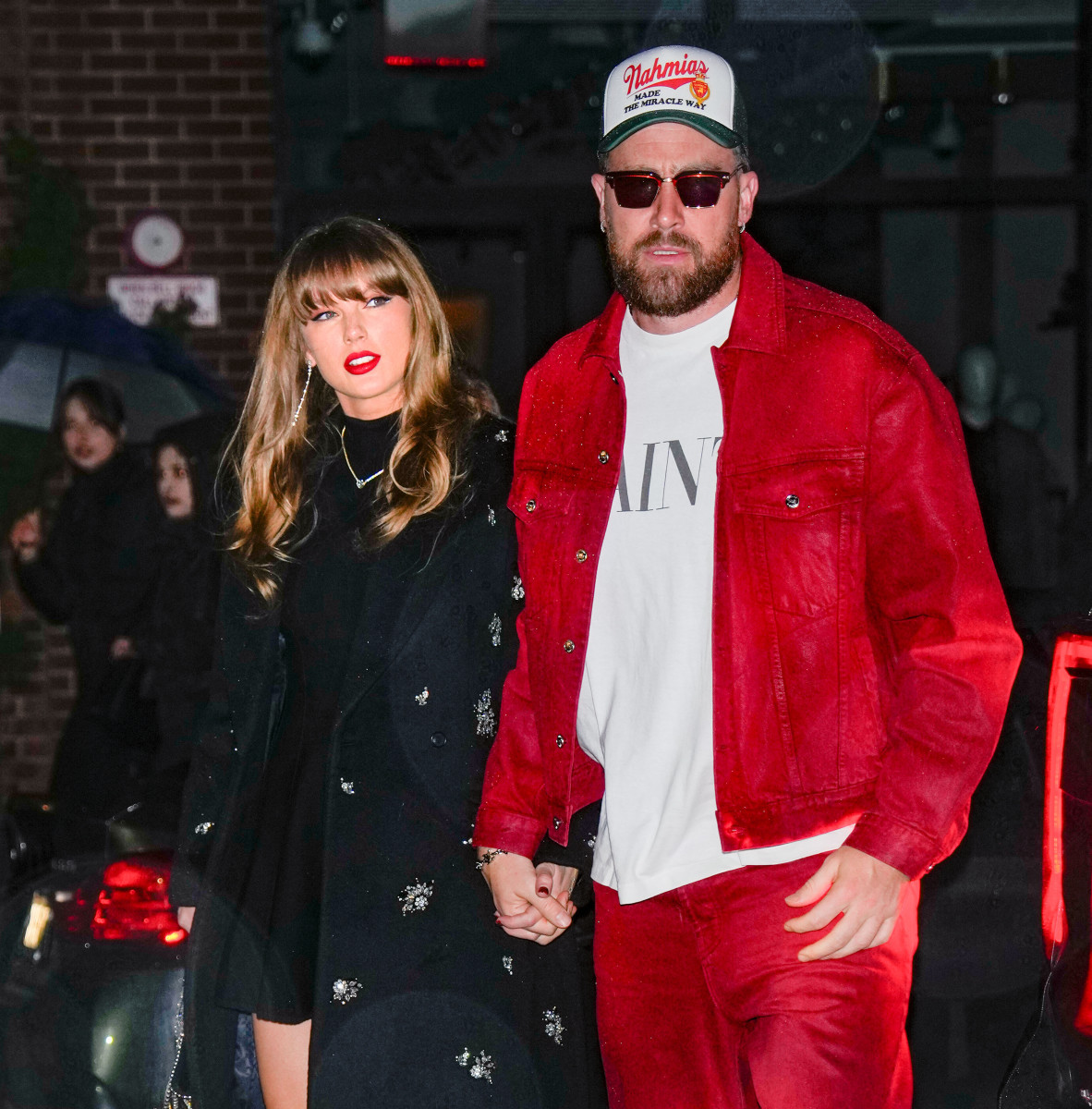
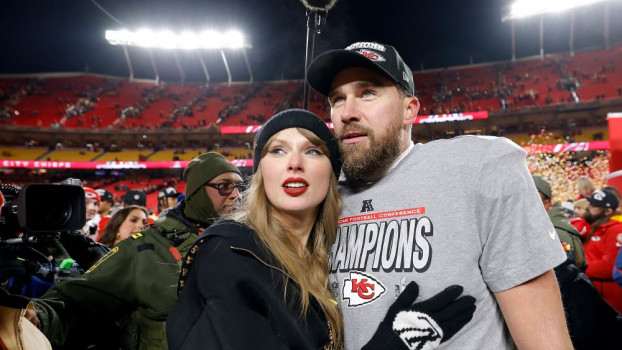
Travis Kelce hinted that his wedding to Taylor Swift could become the most patriotic party of the year. Red, white, and «I do». There will likely be fireworks. The guest list looks like a collision between the Met Gala and the Super Bowl.
If the rumors are true, they will exchange vows over the July 4th weekend. A celebration. With a theme. With the legendary energy of Taylor, known as «Taymerica», - permeating the entire night.
It sounds perfect. And therein lies the problem.
In my office, I see what happens when a wedding is supposed to be the best night of your life. The higher the expectations, the harder the fall if something goes wrong. And no one, not even Taylor and Travis, can escape that.
I always tell every couple planning a big event: when the cultural script says you should feel a deep connection, the likelihood of disappointment increases. Holidays. Anniversaries. Valentine’s Day. Christmas morning. And, above all, weddings.
The greater the expectation that everything will go well, the greater the sense of failure and pain when something goes awry. Your sensitivity to feeling like a slighted partner actually increases. It’s remarkable when you think about it. The night you want to feel closeness is the night you are most susceptible to feeling hurt over trivial matters.
Especially for high-achieving individuals, there is an unconscious belief that since they have built something grand on the outside, everything inside should run smoothly. You should feel like you’ve achieved your goal. And not be left behind. And this is especially true in your relationships.
Beneath all that glamorous exterior, two nervous systems are operating on the same primal program that every person goes through. Are you here for me? Am I good enough for you? Taylor asks this question. Travis asks this question. The dress designer cannot answer it. The fireworks cannot answer it. Only the other person can.
This is what I call the science behind the noise, the same logic I write about in the context of red flags in relationships. The flags are not dramatic outbursts. They are quiet expectations that no one has voiced aloud.
Every Tuesday, I sit with couples who are actively arguing about the guest list. About catering. Who gets a plus one. Where each mother will sit. They are absolutely convinced that these logistical issues are the real problem.
But they are not. Couples use the battlefield of this topic to repeatedly play out their attachments and wounds. It’s much easier to talk about the schedule than to address feelings of loneliness. It’s much easier to argue about guest gifts than to look at your partner and say, «I'm afraid you don’t see me as a priority».
So, when you read gossip about a famous couple fighting over wedding details, show a little compassion. What looks like a petty argument is almost always a protest from two scared people expressing their alienation. I call it the «Protest Shelf». It looks ugly. But it means something tender.
If you’re reading this and recognize yourself in the «shelf», - you can take our free compatibility test to see what pattern you and your partner tend to fall into in stressful situations. Most couples don’t realize they are dancing the same three steps.
Another trap I see with famous couples is the imposition of pop psychology. Someone decides that one partner is the villain. The «bad guy» emerges online. There is currently a whole discussion about why the algorithmic mother matters, about how we allow strangers online to shape our intimate stories. The truth is much more complex. In every conflict, there are always two truths. Your truth makes sense. Their truth makes sense. Two truths. One circle. No villains.
If Taylor and Travis came to my office tomorrow, worried about «Taymerica», - I wouldn’t let them argue about the venue.
I’m not concerned about your ability to resolve the coffee issue this morning. I’m here to help you work through the deeper reasons
If the rumors are true, they will exchange vows over the July 4th weekend. A celebration. With a theme. With the legendary energy of Taylor, known as «Taymerica», - permeating the entire night.
It sounds perfect. And therein lies the problem.
In my office, I see what happens when a wedding is supposed to be the best night of your life. The higher the expectations, the harder the fall if something goes wrong. And no one, not even Taylor and Travis, can escape that.
I always tell every couple planning a big event: when the cultural script says you should feel a deep connection, the likelihood of disappointment increases. Holidays. Anniversaries. Valentine’s Day. Christmas morning. And, above all, weddings.
The greater the expectation that everything will go well, the greater the sense of failure and pain when something goes awry. Your sensitivity to feeling like a slighted partner actually increases. It’s remarkable when you think about it. The night you want to feel closeness is the night you are most susceptible to feeling hurt over trivial matters.
Especially for high-achieving individuals, there is an unconscious belief that since they have built something grand on the outside, everything inside should run smoothly. You should feel like you’ve achieved your goal. And not be left behind. And this is especially true in your relationships.
Beneath all that glamorous exterior, two nervous systems are operating on the same primal program that every person goes through. Are you here for me? Am I good enough for you? Taylor asks this question. Travis asks this question. The dress designer cannot answer it. The fireworks cannot answer it. Only the other person can.
This is what I call the science behind the noise, the same logic I write about in the context of red flags in relationships. The flags are not dramatic outbursts. They are quiet expectations that no one has voiced aloud.
Every Tuesday, I sit with couples who are actively arguing about the guest list. About catering. Who gets a plus one. Where each mother will sit. They are absolutely convinced that these logistical issues are the real problem.
But they are not. Couples use the battlefield of this topic to repeatedly play out their attachments and wounds. It’s much easier to talk about the schedule than to address feelings of loneliness. It’s much easier to argue about guest gifts than to look at your partner and say, «I'm afraid you don’t see me as a priority».
So, when you read gossip about a famous couple fighting over wedding details, show a little compassion. What looks like a petty argument is almost always a protest from two scared people expressing their alienation. I call it the «Protest Shelf». It looks ugly. But it means something tender.
If you’re reading this and recognize yourself in the «shelf», - you can take our free compatibility test to see what pattern you and your partner tend to fall into in stressful situations. Most couples don’t realize they are dancing the same three steps.
Another trap I see with famous couples is the imposition of pop psychology. Someone decides that one partner is the villain. The «bad guy» emerges online. There is currently a whole discussion about why the algorithmic mother matters, about how we allow strangers online to shape our intimate stories. The truth is much more complex. In every conflict, there are always two truths. Your truth makes sense. Their truth makes sense. Two truths. One circle. No villains.
If Taylor and Travis came to my office tomorrow, worried about «Taymerica», - I wouldn’t let them argue about the venue.
I’m not concerned about your ability to resolve the coffee issue this morning. I’m here to help you work through the deeper reasons
© Artemenko Olga