Tatiana Schlossberg, granddaughter of John F. Kennedy, is fighting a rare form of cancer
23 november 2025 в 01:50
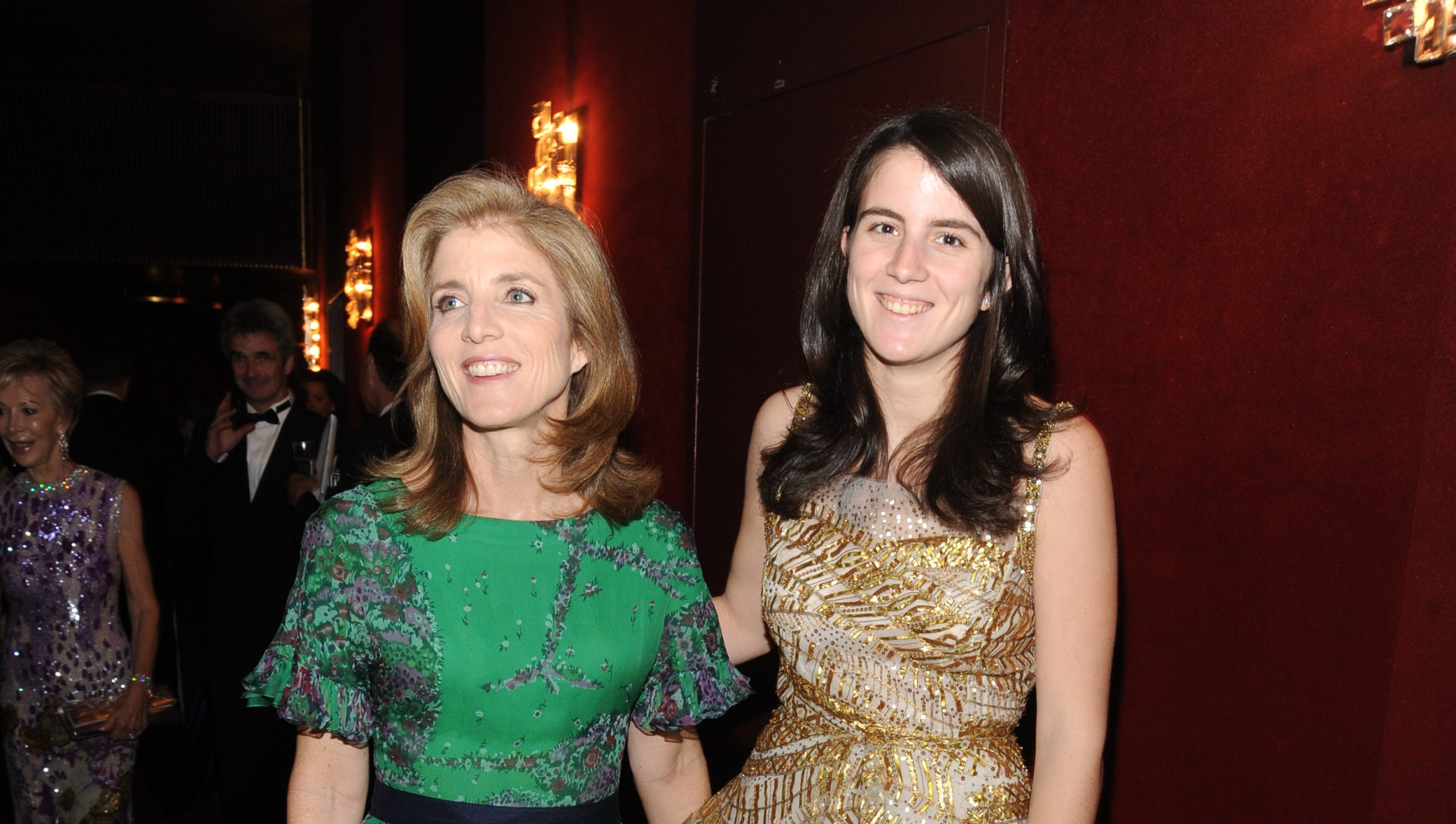
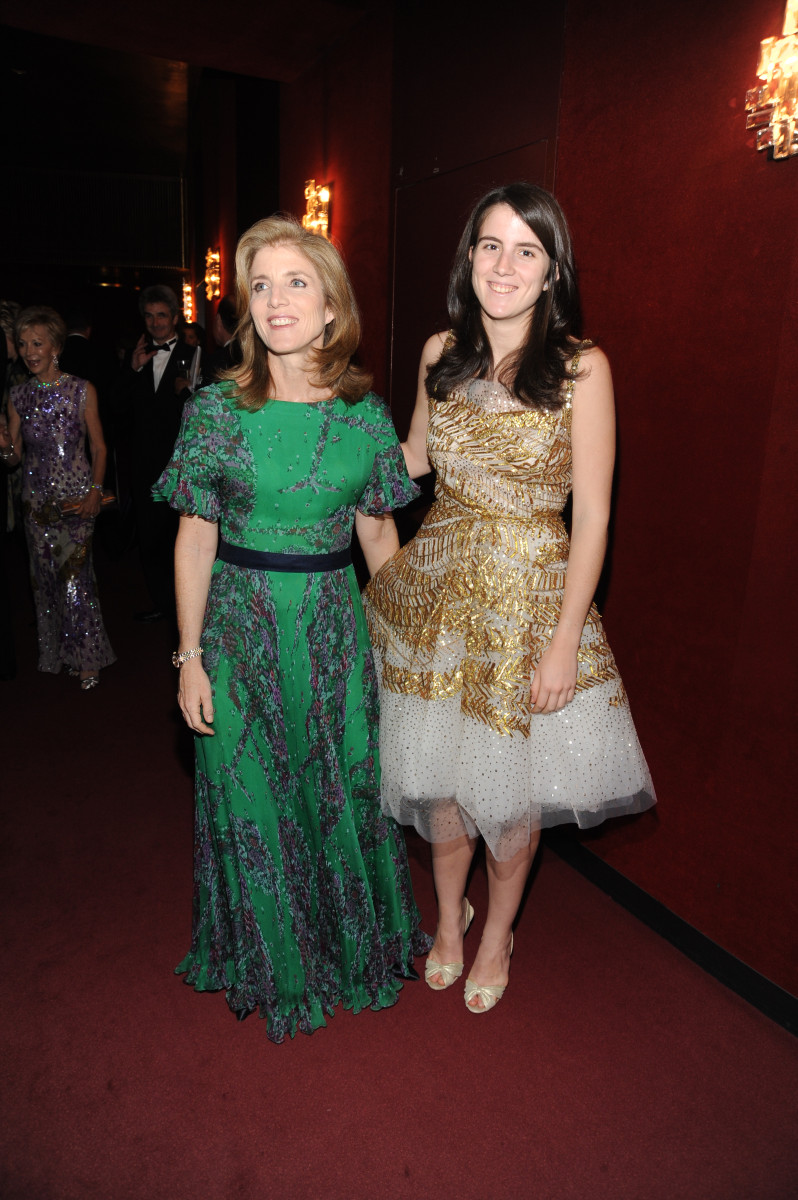
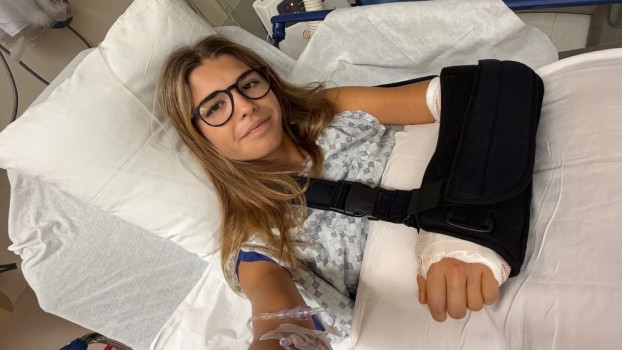
Tatiana Schlossberg, the granddaughter of John F. Kennedy and the daughter of Caroline Kennedy and Edwin Schlossberg, revealed that she has a rare incurable disease. She is 35 years old. Tatiana received her diagnosis last year, when she was 34, and she had just given birth to her second child.
«When I was diagnosed with leukemia, my first thought was that this couldn’t be happening to me, to my family», - Tatiana wrote in an essay published by The New Yorker on November 22, 2025.
Keep reading to learn about Tatiana’s illness and how she is coping with it.
Tatiana was diagnosed with acute myeloid leukemia (AML), a form of cancer, with a rare mutation called Inversion 3. She detailed her journey through her November 2025 essay, criticizing her cousin Robert F. Kennedy Jr. for «cutting nearly half a billion dollars in funding for mRNA vaccine research, a technology that could have been used against certain types of cancer».
Acute myeloid leukemia is a cancer that starts in the bone marrow, then moves into the blood, according to the American Cancer Society. Symptoms include weight loss, fever, and loss of appetite.
There is no simple treatment for AML, but with several treatment methods and possibly surgery, this form of cancer can be cured, Tatiana pointed out in her essay.
«I couldn’t be cured with the standard course of treatment. I needed several months, at least, of chemotherapy to reduce the number of explosive cells in my bone marrow», - Tatiana wrote. «Then I needed a bone marrow transplant, which could cure me. After the transplant, I will likely need more chemotherapy regularly to try to prevent the cancer from returning. I couldn’t — couldn’t — believe they were talking about me».
Stating that she never felt sick before her diagnosis, Tatiana insisted in her essay that «I was actually one of the healthiest people I knew».
«I regularly ran five to ten miles in Central Park», - she continued, adding, «Once I swam three miles across the Hudson River — strangely, to raise money for the Leukemia and Lymphoma Society. I work as an environmental journalist, and for one article I skied the Birkebeiner, a fifty-kilometer ski race in Wisconsin that took me seven and a half hours. I loved inviting people to dinner and baking cakes for my friends' birthdays. I went to museums and shows and could wade into a cranberry bog for work».
Yes, unfortunately, Tatiana is dying. She noted that her doctor told her she «may have» a year to live.
«When you’re dying, at least in my limited experience, you start to remember everything», - she admitted. «Images come in waves — people and places and random conversations — and refuse to leave. … Maybe my brain is now replaying my life because I have a terminal diagnosis, and all these memories will be lost».
Elsewhere in her essay, Tatiana noted: «My first thought was that my children, whose faces live constantly on the inside of my eyelids, won’t remember me. Now I have added a new tragedy to [my mother’s] life, to our family’s life, and I can’t do anything to stop it»
«When I was diagnosed with leukemia, my first thought was that this couldn’t be happening to me, to my family», - Tatiana wrote in an essay published by The New Yorker on November 22, 2025.
Keep reading to learn about Tatiana’s illness and how she is coping with it.
Tatiana was diagnosed with acute myeloid leukemia (AML), a form of cancer, with a rare mutation called Inversion 3. She detailed her journey through her November 2025 essay, criticizing her cousin Robert F. Kennedy Jr. for «cutting nearly half a billion dollars in funding for mRNA vaccine research, a technology that could have been used against certain types of cancer».
Acute myeloid leukemia is a cancer that starts in the bone marrow, then moves into the blood, according to the American Cancer Society. Symptoms include weight loss, fever, and loss of appetite.
There is no simple treatment for AML, but with several treatment methods and possibly surgery, this form of cancer can be cured, Tatiana pointed out in her essay.
«I couldn’t be cured with the standard course of treatment. I needed several months, at least, of chemotherapy to reduce the number of explosive cells in my bone marrow», - Tatiana wrote. «Then I needed a bone marrow transplant, which could cure me. After the transplant, I will likely need more chemotherapy regularly to try to prevent the cancer from returning. I couldn’t — couldn’t — believe they were talking about me».
Stating that she never felt sick before her diagnosis, Tatiana insisted in her essay that «I was actually one of the healthiest people I knew».
«I regularly ran five to ten miles in Central Park», - she continued, adding, «Once I swam three miles across the Hudson River — strangely, to raise money for the Leukemia and Lymphoma Society. I work as an environmental journalist, and for one article I skied the Birkebeiner, a fifty-kilometer ski race in Wisconsin that took me seven and a half hours. I loved inviting people to dinner and baking cakes for my friends' birthdays. I went to museums and shows and could wade into a cranberry bog for work».
Yes, unfortunately, Tatiana is dying. She noted that her doctor told her she «may have» a year to live.
«When you’re dying, at least in my limited experience, you start to remember everything», - she admitted. «Images come in waves — people and places and random conversations — and refuse to leave. … Maybe my brain is now replaying my life because I have a terminal diagnosis, and all these memories will be lost».
Elsewhere in her essay, Tatiana noted: «My first thought was that my children, whose faces live constantly on the inside of my eyelids, won’t remember me. Now I have added a new tragedy to [my mother’s] life, to our family’s life, and I can’t do anything to stop it»
© Artemenko Olga