Taylor Swift and Travis Kelce: the wedding everyone is talking about
8 june 2026 в 15:13
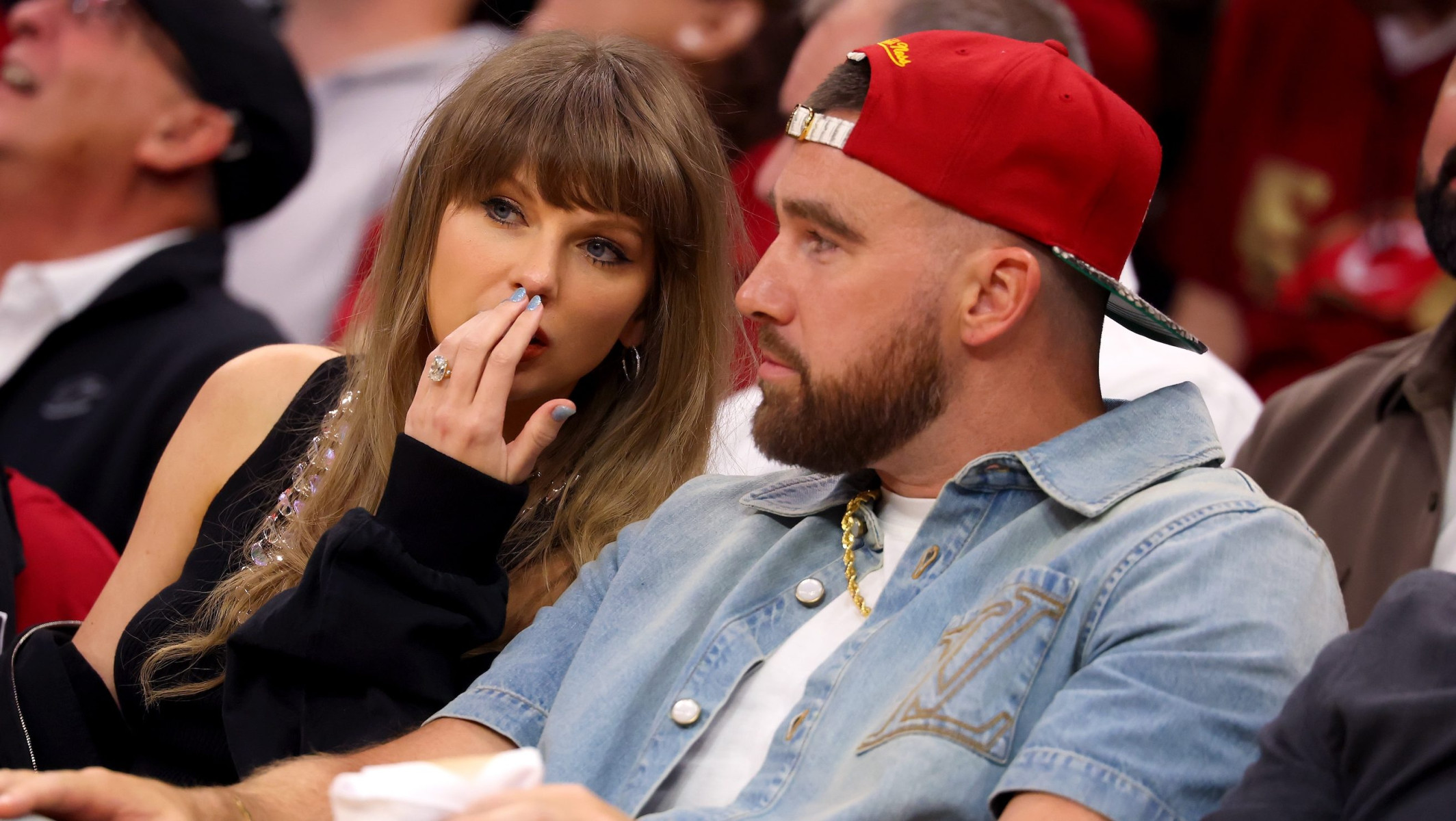

Taylor Swift and Travis Kelce are set to marry in New York this summer, and another celebrity has confirmed their invitation. The guest list continues to leak, and rumors about the venue are multiplying. Page Six has all the evidence.
However, the entire culture is focused on the wrong things.
We are captivated by the glamour, the seating arrangements, and the fantasy that when two brilliant, beautiful, and successful people finally find each other, love becomes an easy flight into the sunset. This is what everyone wants to believe.
As a couples therapist, I look at a wedding of this magnitude and do not see a beautiful party. I see a biological pressure cooker. And I want to tell you what is really happening beneath the surface because the same dynamics are likely unfolding in your living room.
In my view, from cradle to grave, humans are wired as an interdependent species. You are not a lone wolf who simply enjoys company. Your biology requires a primary attachment figure to feel safe in this world.
Your nervous system is constantly scanning your partner and asking two questions: «Are you here for me?» and «Am I good enough for you?»
In the infatuation stage, the answer seems to be an unbroken and easy «yes». I compare this to a dance battle. You see someone on the dance floor, they perform the perfect breakdance, you respond with a flawless moonwalk, and your nervous systems instantly conclude that you are made for each other.
But people confuse this initial biological synchronization with the relationship itself. They think that finding the perfect partner means that this easy feeling will last forever.
Herein lies the trap. When you plan a wedding of the decade, the unconscious expectation is that since everything looks perfect on the outside, you should feel completely confident on the inside. You should feel that you have reached your goal.
Biology does not care about your guest list or your status. Whenever there is an expectation that the event will go perfectly, the inevitable human moment of disconnection is felt much more acutely. Your sensitivity to pain actually increases when the stakes are so high, rather than decreases. This is something no one warns you about.
I see this every week in my office in San Francisco. Smart creators, executives, founders. They come in right before the wedding or immediately after a significant event, feeling depleted, viewing their relationship as a project they are failing.
They are masters at what I call «mango description». They give me a detailed, logical breakdown of their partner’s flaws: color, origin, texture, a full lecture. But describing a mango is completely different from the messy, vulnerable act of tasting it.
High achievers are intimidated by this, and they fear trying the raw vulnerability that lies beneath the surface. They want to solve logistical issues: schedules, vendors. They ignore the frightened nervous system that is driving the whole process.
As the pressure mounts, the easy connection begins to crack. One partner, whom I call the «Restless Lover», - feels a decrease in attention and protests through criticism or demands. They rise to the «penthouse» of the emotional building and bang on the floor, demanding their partner prove their love.
The other partner feels overwhelmed by the criticism. To survive the shame, they retreat to the «basement». They go silent, start to intellectualize, and shut down. This is the «Humble Lover», - and their quiet retreat often manifests as ignoring.
Then they hit the dance floor and begin the «Waltz of Pain». One, two, three. Reach out, criticize, retreat, defend. The more one reaches out, the deeper the other hides.
They both throw boomerangs at the same time. What you throw hurts your partner, then comes back and hits you in the face. Two people trapped in separate bubbles of suffering, each convinced the other is the villain.
If you have ever wondered what version of this dance you and your partner are performing…
However, the entire culture is focused on the wrong things.
We are captivated by the glamour, the seating arrangements, and the fantasy that when two brilliant, beautiful, and successful people finally find each other, love becomes an easy flight into the sunset. This is what everyone wants to believe.
As a couples therapist, I look at a wedding of this magnitude and do not see a beautiful party. I see a biological pressure cooker. And I want to tell you what is really happening beneath the surface because the same dynamics are likely unfolding in your living room.
In my view, from cradle to grave, humans are wired as an interdependent species. You are not a lone wolf who simply enjoys company. Your biology requires a primary attachment figure to feel safe in this world.
Your nervous system is constantly scanning your partner and asking two questions: «Are you here for me?» and «Am I good enough for you?»
In the infatuation stage, the answer seems to be an unbroken and easy «yes». I compare this to a dance battle. You see someone on the dance floor, they perform the perfect breakdance, you respond with a flawless moonwalk, and your nervous systems instantly conclude that you are made for each other.
But people confuse this initial biological synchronization with the relationship itself. They think that finding the perfect partner means that this easy feeling will last forever.
Herein lies the trap. When you plan a wedding of the decade, the unconscious expectation is that since everything looks perfect on the outside, you should feel completely confident on the inside. You should feel that you have reached your goal.
Biology does not care about your guest list or your status. Whenever there is an expectation that the event will go perfectly, the inevitable human moment of disconnection is felt much more acutely. Your sensitivity to pain actually increases when the stakes are so high, rather than decreases. This is something no one warns you about.
I see this every week in my office in San Francisco. Smart creators, executives, founders. They come in right before the wedding or immediately after a significant event, feeling depleted, viewing their relationship as a project they are failing.
They are masters at what I call «mango description». They give me a detailed, logical breakdown of their partner’s flaws: color, origin, texture, a full lecture. But describing a mango is completely different from the messy, vulnerable act of tasting it.
High achievers are intimidated by this, and they fear trying the raw vulnerability that lies beneath the surface. They want to solve logistical issues: schedules, vendors. They ignore the frightened nervous system that is driving the whole process.
As the pressure mounts, the easy connection begins to crack. One partner, whom I call the «Restless Lover», - feels a decrease in attention and protests through criticism or demands. They rise to the «penthouse» of the emotional building and bang on the floor, demanding their partner prove their love.
The other partner feels overwhelmed by the criticism. To survive the shame, they retreat to the «basement». They go silent, start to intellectualize, and shut down. This is the «Humble Lover», - and their quiet retreat often manifests as ignoring.
Then they hit the dance floor and begin the «Waltz of Pain». One, two, three. Reach out, criticize, retreat, defend. The more one reaches out, the deeper the other hides.
They both throw boomerangs at the same time. What you throw hurts your partner, then comes back and hits you in the face. Two people trapped in separate bubbles of suffering, each convinced the other is the villain.
If you have ever wondered what version of this dance you and your partner are performing…
© Puhova Marina