
Smart rings help diagnose sleep apnea in women
24 september 2026 в 13:28
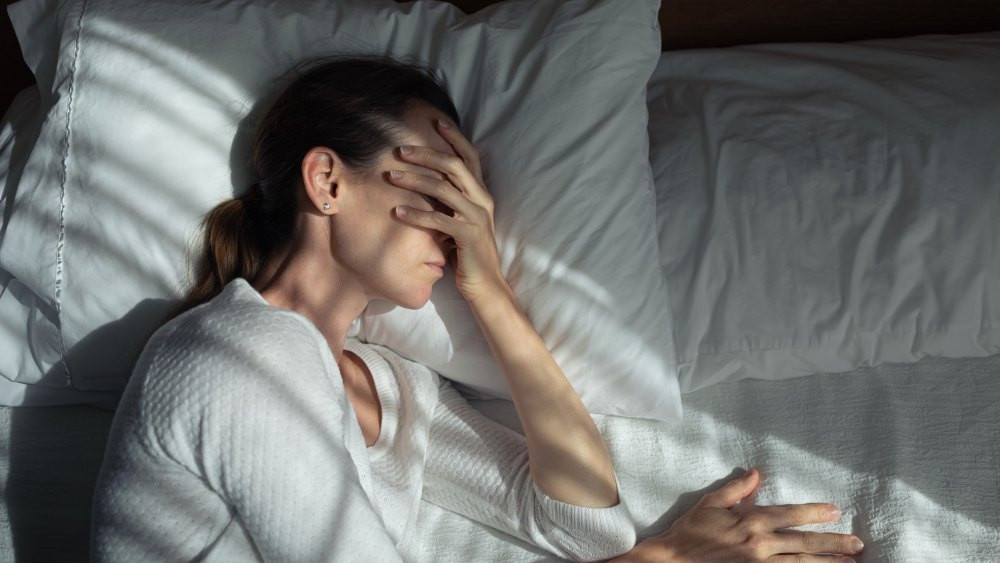
According to Us Weekly, about 90% of women with sleep apnea remain undiagnosed, which is a serious issue. Approximately 80% of all cases of apnea in the U.S. go undetected. In light of this, new devices are entering the market, such as smart rings from Samsung, Happy Health, and Belun Technology, which could change the approach to diagnosing this condition associated with cardiovascular diseases, strokes, and diabetes.
Sleep apnea is characterized by multiple pauses in breathing during sleep, often without the sleeper’s knowledge. Signs may include loud snoring, sudden gasping episodes, morning headaches, and excessive daytime sleepiness. If left untreated, it can negatively impact concentration, mood, and long-term cardiovascular health.
Women often do not receive a diagnosis of sleep apnea because their symptoms may differ from those of men. For example, women are less likely to snore loudly, and their apnea episodes tend to be shorter and less frequent. Symptoms are often attributed to other conditions, such as anemia or depression. Studies show that women are less frequently referred for sleep testing, and even when they undergo tests, the likelihood of diagnosis is lower.
In 2025, the FDA approved the Happy Ring smart ring as a medical device for diagnosing sleep apnea and other sleep disorders. It allows users to undergo testing at home and consult with specialists. The Samsung device, which received approval in 2026, also helps detect signs of sleep apnea using artificial intelligence.
According to the American Academy of Sleep Medicine, 23.5 million undiagnosed cases of apnea in the U.S. lead to significant economic losses, including healthcare costs and decreased productivity. Increasing the number of home tests, especially for women whose symptoms have long been overlooked, may help close this diagnostic gap.
Sleep apnea is characterized by multiple pauses in breathing during sleep, often without the sleeper’s knowledge. Signs may include loud snoring, sudden gasping episodes, morning headaches, and excessive daytime sleepiness. If left untreated, it can negatively impact concentration, mood, and long-term cardiovascular health.
Women often do not receive a diagnosis of sleep apnea because their symptoms may differ from those of men. For example, women are less likely to snore loudly, and their apnea episodes tend to be shorter and less frequent. Symptoms are often attributed to other conditions, such as anemia or depression. Studies show that women are less frequently referred for sleep testing, and even when they undergo tests, the likelihood of diagnosis is lower.
In 2025, the FDA approved the Happy Ring smart ring as a medical device for diagnosing sleep apnea and other sleep disorders. It allows users to undergo testing at home and consult with specialists. The Samsung device, which received approval in 2026, also helps detect signs of sleep apnea using artificial intelligence.
According to the American Academy of Sleep Medicine, 23.5 million undiagnosed cases of apnea in the U.S. lead to significant economic losses, including healthcare costs and decreased productivity. Increasing the number of home tests, especially for women whose symptoms have long been overlooked, may help close this diagnostic gap.
© Artemenko Olga