
Hurricane Milton is approaching the coast of Florida: what you need to know about hurricane classification
9 october 2024 в 20:37
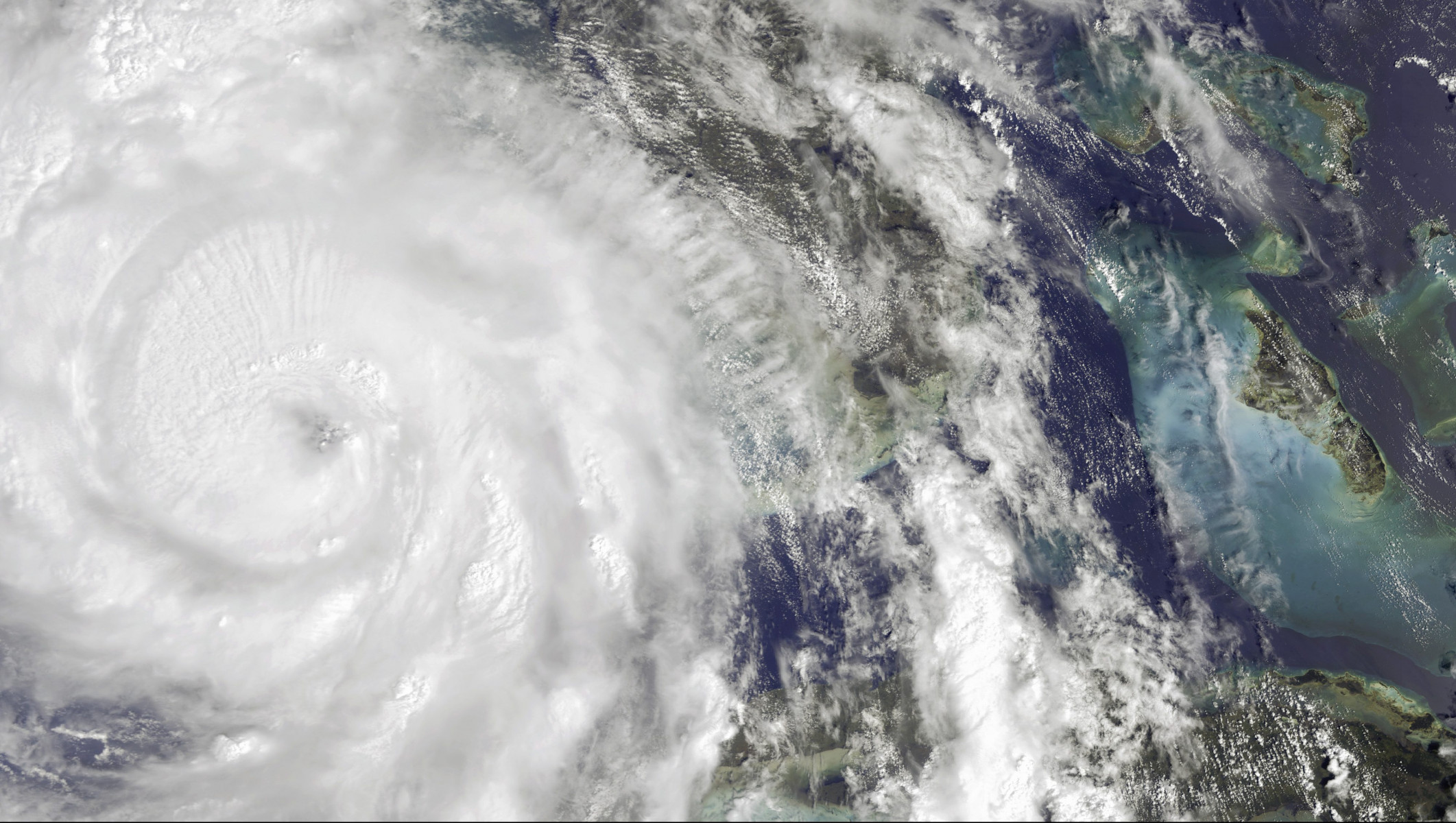
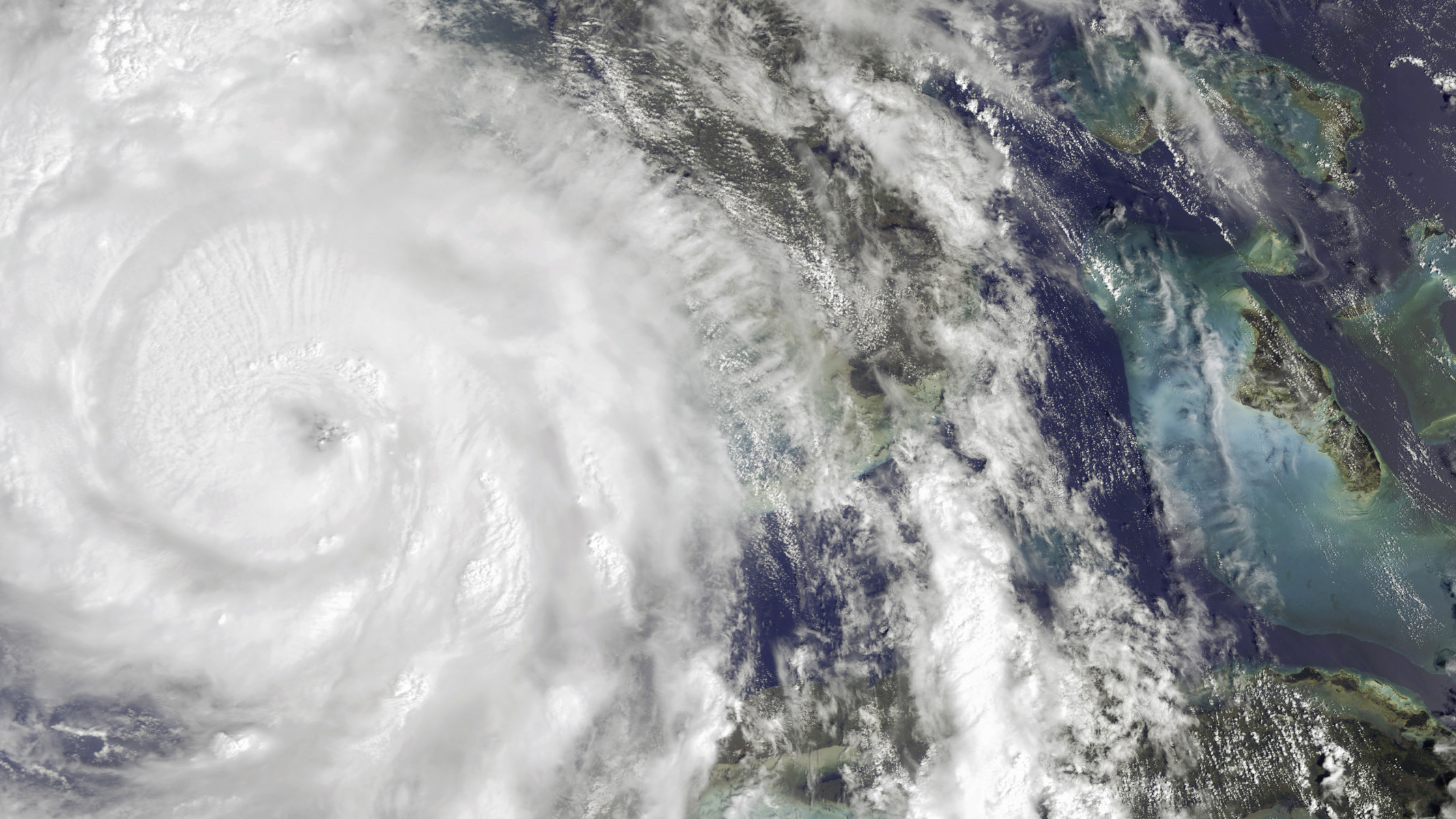
The morning forecast for Wednesday from the National Hurricane Center shows that Hurricane Milton is approaching the coast on Wednesday night as a Category 4 hurricane, with winds of around 130 miles per hour.
As Milton decreases to a Category 4, it is important to understand the classification system used for hurricanes. The Saffir-Simpson hurricane wind scale ranges from Category 1 to Category 5, based on sustained wind speed and potential damage.
The Saffir-Simpson scale correlates wind speed with examples of damage and consequences that these winds can cause in the United States. Typically, damage increases roughly fourfold with each category increase.
Developed by structural engineer Herbert Saffir in 1969 as part of a United Nations project, the scale was later adapted by meteorologist Robert Simpson in the early 1970s. Since then, it has become an essential tool for warning the public about the potential consequences of hurricanes of varying intensities, according to the National Hurricane Center.
«Milton's wind field is expected to continue expanding as it approaches Florida», - the hurricane center reported. «In fact, the official forecast shows that the hurricane and tropical storm force winds field will roughly double by the time it makes landfall. As a result, destructive winds, life-threatening flooding, and heavy rainfall will spread far beyond the forecast cone».
By Wednesday morning, Milton’s tropical storm force winds extended approximately 125 miles from the center and could reach up to 200 miles by the time it makes landfall
As Milton decreases to a Category 4, it is important to understand the classification system used for hurricanes. The Saffir-Simpson hurricane wind scale ranges from Category 1 to Category 5, based on sustained wind speed and potential damage.
The Saffir-Simpson scale correlates wind speed with examples of damage and consequences that these winds can cause in the United States. Typically, damage increases roughly fourfold with each category increase.
Developed by structural engineer Herbert Saffir in 1969 as part of a United Nations project, the scale was later adapted by meteorologist Robert Simpson in the early 1970s. Since then, it has become an essential tool for warning the public about the potential consequences of hurricanes of varying intensities, according to the National Hurricane Center.
«Milton's wind field is expected to continue expanding as it approaches Florida», - the hurricane center reported. «In fact, the official forecast shows that the hurricane and tropical storm force winds field will roughly double by the time it makes landfall. As a result, destructive winds, life-threatening flooding, and heavy rainfall will spread far beyond the forecast cone».
By Wednesday morning, Milton’s tropical storm force winds extended approximately 125 miles from the center and could reach up to 200 miles by the time it makes landfall
© Puhova Marina