
California authorities have declared a state of emergency due to an outbreak of avian flu among cows: details and precautions
20 december 2024 в 00:37
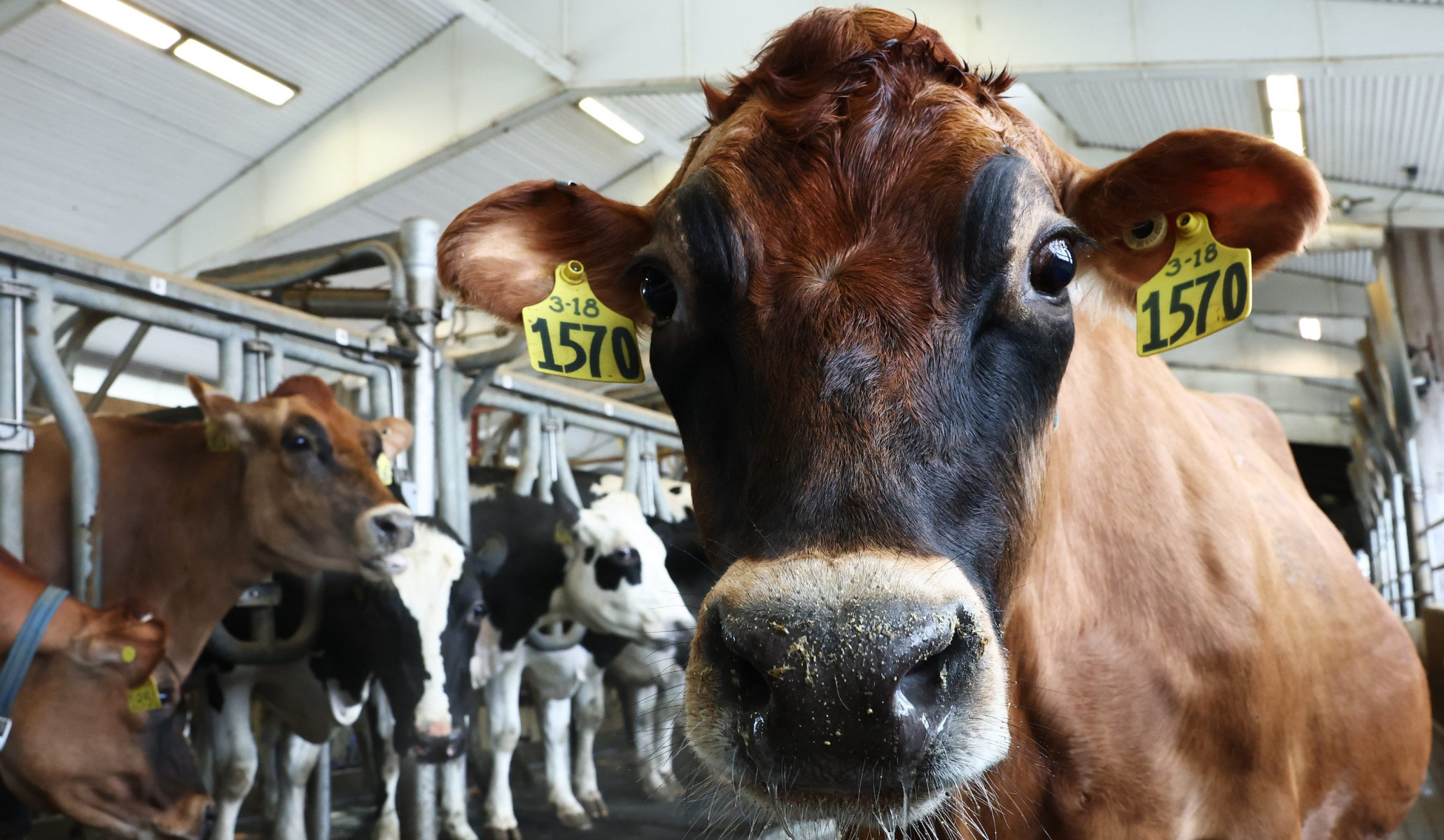

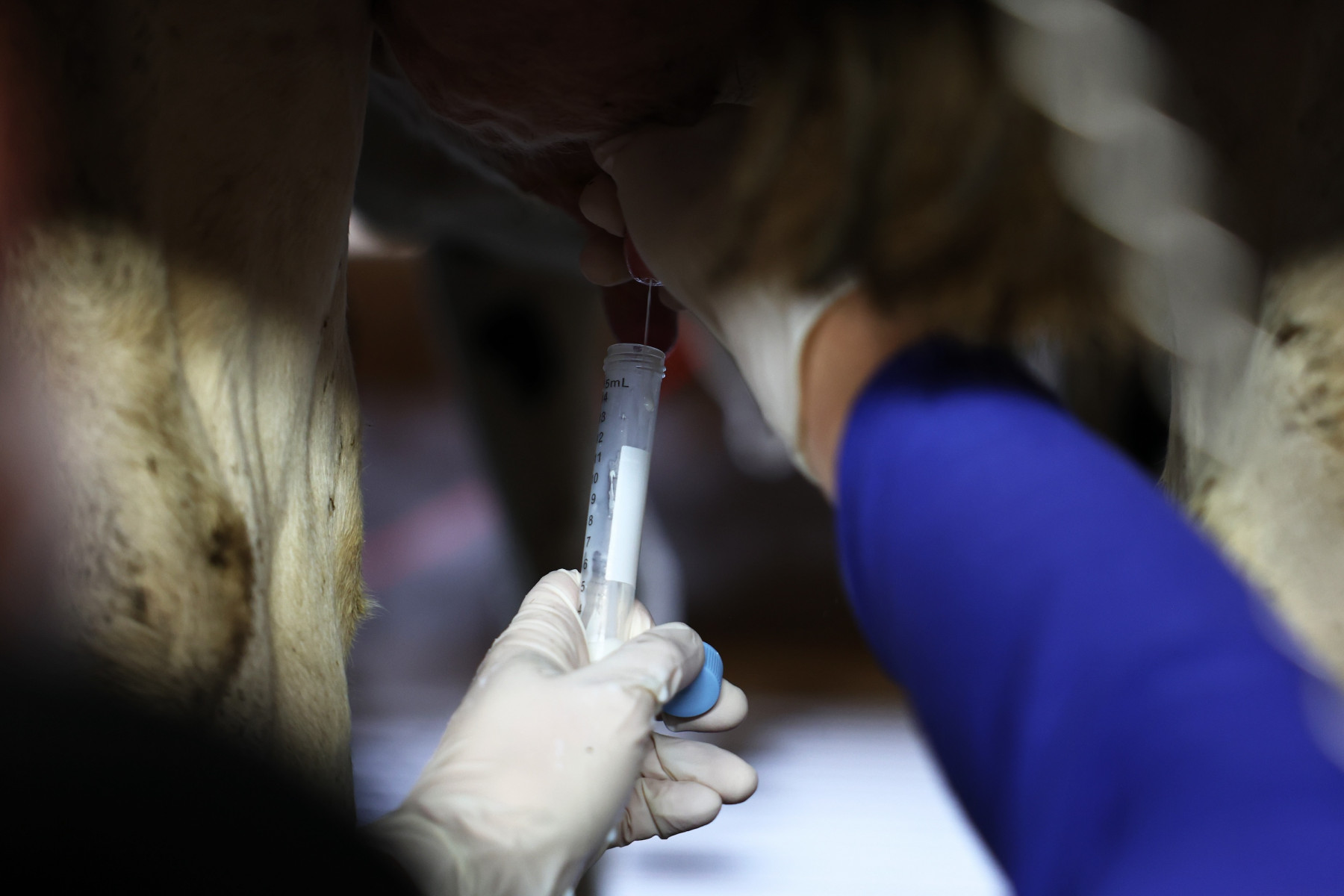

California Governor Gavin Newsom declared a state of emergency on Wednesday in response to a recent outbreak of avian flu among dairy cows.
Since August, officials have identified the virus in 645 herds of dairy cows across California — more than in any other state.
Since the detection of avian flu on dairy farms in the United States in 2022, it has spread to hundreds of herds of cows in 16 states and caused mild infections in some dairy farm workers.
The H5N1 virus strain was first detected in the US in March of this year. Since then, 61 people in seven states have reported being infected with the virus. The first severe case of H5N1 in the country was confirmed in Louisiana. The Centers for Disease Control and Prevention reported: «The Centers for Disease Control and Prevention confirm the first severe case of avian flu H5N1 in the US. During the investigation of the source of infection, it was determined that the patient had contact with sick and dead birds in backyard flocks».
H5N1 is considered the most pathogenic of avian flu strains, meaning it is particularly deadly, with a mortality rate of around 60% in humans.
Of the 61 registered cases of avian flu in the US this year, 34 cases were in California.
In response to the outbreak, Governor Newsom issued a statement regarding the state of emergency: «This proclamation is a targeted action to ensure that state agencies have the resources and flexibility needed to respond quickly to this outbreak. Building on California’s testing and monitoring system — the largest in the country — we are committed to further protecting public health, supporting our agricultural industry, and providing access to accurate, up-to-date information. While the risk to the public remains low, we will continue to take all necessary steps to prevent the spread of this virus».
A state of emergency is an official declaration by the governor or government that temporarily expands its powers to address a crisis or emergency situation. It is invoked when local resources are insufficient to manage the scale of the crisis, and state intervention is required to prevent or mitigate damage, losses, or suffering.
This declaration allows the governor to expedite assistance from state agencies to affected communities, providing immediate access to necessary resources such as rescue operations, evacuations, shelters, and supplies (e.g. heating fuel, food, etc.). It also allows the state to take measures to control disorder and maintain order in affected areas.
Additionally, a state of emergency can help the state request federal assistance if the scale of the situation exceeds the state’s resources.
Avian flu, also known as bird flu, is a viral disease primarily affecting birds, but can also spread to humans and other animals under certain circumstances. The virus is usually transmitted through direct contact with infected birds, their droppings, or contaminated surfaces.
According to the Centers for Disease Control and Prevention, people should avoid contact with surfaces contaminated with infected materials from birds or other animals suspected of having avian flu.
In humans, symptoms of avian flu can range from mild to severe and may include:
In some cases, the virus can lead to serious respiratory illnesses or even death, especially in people with weakened immune systems or underlying health conditions
Since August, officials have identified the virus in 645 herds of dairy cows across California — more than in any other state.
Since the detection of avian flu on dairy farms in the United States in 2022, it has spread to hundreds of herds of cows in 16 states and caused mild infections in some dairy farm workers.
The H5N1 virus strain was first detected in the US in March of this year. Since then, 61 people in seven states have reported being infected with the virus. The first severe case of H5N1 in the country was confirmed in Louisiana. The Centers for Disease Control and Prevention reported: «The Centers for Disease Control and Prevention confirm the first severe case of avian flu H5N1 in the US. During the investigation of the source of infection, it was determined that the patient had contact with sick and dead birds in backyard flocks».
H5N1 is considered the most pathogenic of avian flu strains, meaning it is particularly deadly, with a mortality rate of around 60% in humans.
Of the 61 registered cases of avian flu in the US this year, 34 cases were in California.
In response to the outbreak, Governor Newsom issued a statement regarding the state of emergency: «This proclamation is a targeted action to ensure that state agencies have the resources and flexibility needed to respond quickly to this outbreak. Building on California’s testing and monitoring system — the largest in the country — we are committed to further protecting public health, supporting our agricultural industry, and providing access to accurate, up-to-date information. While the risk to the public remains low, we will continue to take all necessary steps to prevent the spread of this virus».
A state of emergency is an official declaration by the governor or government that temporarily expands its powers to address a crisis or emergency situation. It is invoked when local resources are insufficient to manage the scale of the crisis, and state intervention is required to prevent or mitigate damage, losses, or suffering.
This declaration allows the governor to expedite assistance from state agencies to affected communities, providing immediate access to necessary resources such as rescue operations, evacuations, shelters, and supplies (e.g. heating fuel, food, etc.). It also allows the state to take measures to control disorder and maintain order in affected areas.
Additionally, a state of emergency can help the state request federal assistance if the scale of the situation exceeds the state’s resources.
Avian flu, also known as bird flu, is a viral disease primarily affecting birds, but can also spread to humans and other animals under certain circumstances. The virus is usually transmitted through direct contact with infected birds, their droppings, or contaminated surfaces.
According to the Centers for Disease Control and Prevention, people should avoid contact with surfaces contaminated with infected materials from birds or other animals suspected of having avian flu.
In humans, symptoms of avian flu can range from mild to severe and may include:
In some cases, the virus can lead to serious respiratory illnesses or even death, especially in people with weakened immune systems or underlying health conditions
© Zhinobaeva Margarita