
The authorities of China are closely monitoring the outbreak of the Chikungunya virus: what is important to know
6 august 2025 в 18:37
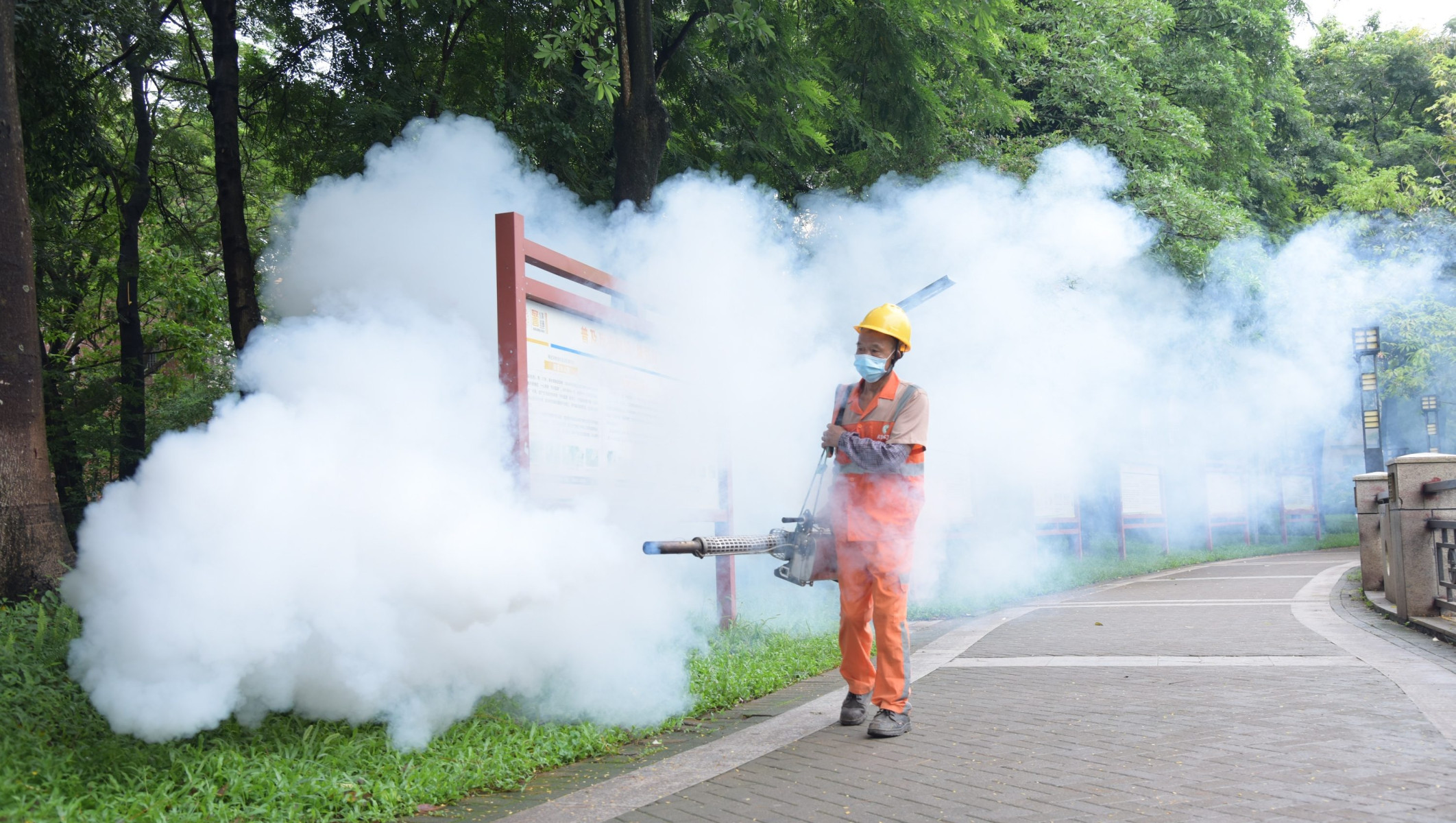
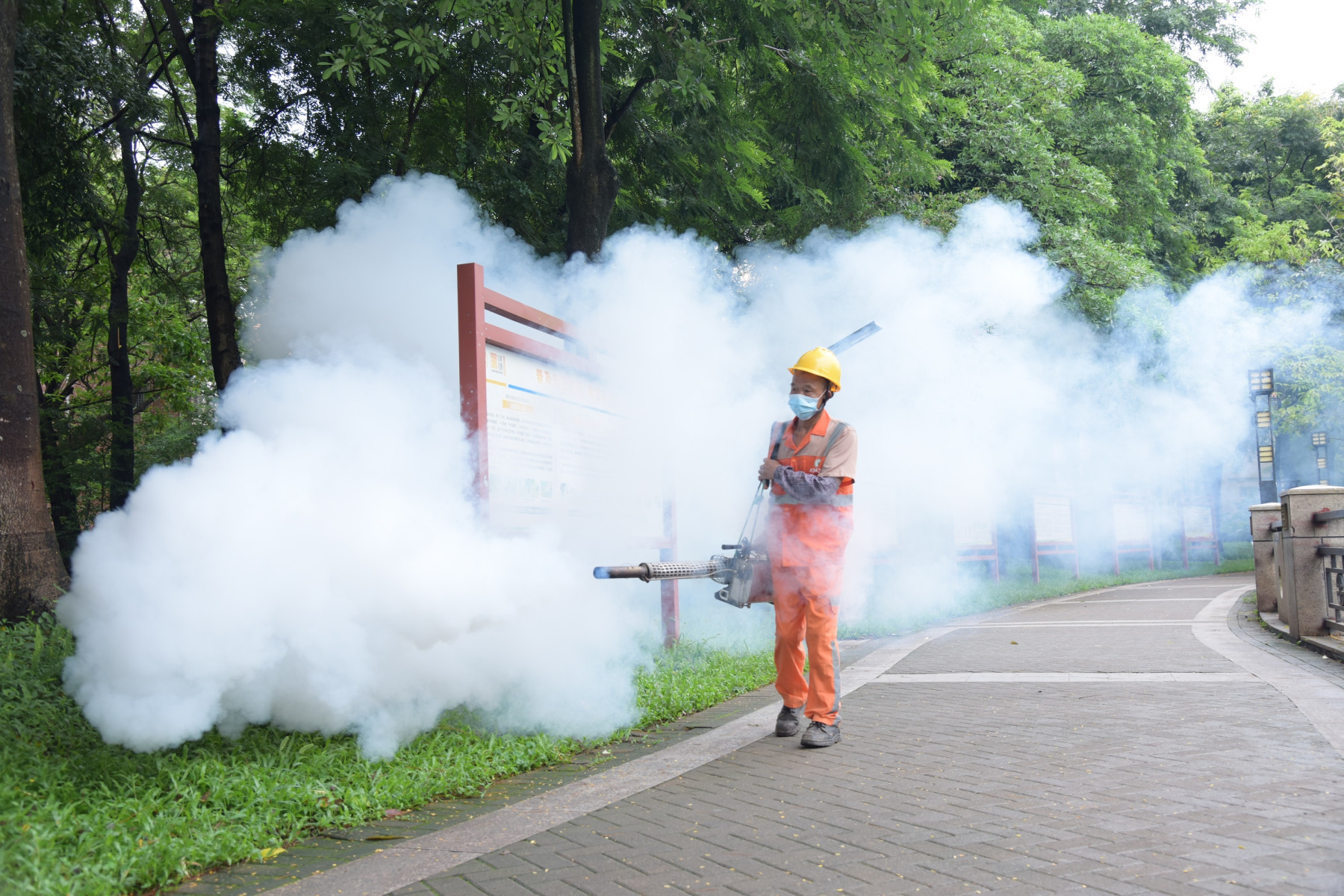
Health authorities in China are closely monitoring the outbreak of the Chikungunya virus, transmitted by mosquitoes, which is causing concern due to its rapid spread and flu-like symptoms. Although the virus is usually found in tropical regions, recent cases registered in various parts of China have prompted increased surveillance and public health measures to prevent further spread. The US Centers for Disease Control and Prevention have also issued a travel warning, recommending precautions for those visiting affected areas. Officials are urging residents to take preventive measures while investigations into the source and scale of the outbreak continue.
Chikungunya is a virus transmitted by mosquitoes that causes fever, joint and muscle pain, headache, and rash. It is mainly transmitted by Aedes aegypti and Aedes albopictus mosquitoes, the same species responsible for spreading dengue and Zika. Although it rarely leads to death, the virus can cause severe and sometimes long-lasting joint pain, especially in elderly people or those with underlying health conditions.
The name «Chikungunya» comes from a word in the Kimakonde language meaning «to bend over», - referring to the joint pain that can hinder movement.
Chinese health authorities are strengthening surveillance, vector control, and information campaigns in response to the outbreak, with local officials reporting more than 8000 cases. Efforts include targeted mosquito eradication programs in affected areas, distribution of mosquito repellents, and recommendations for citizens to avoid standing water and wear protective clothing.
Hospitals have been advised to monitor symptoms and quickly isolate suspected cases to prevent further spread.
There is no specific antiviral treatment for Chikungunya. Treatment focuses on relieving symptoms, especially joint pain and fever, through rest, fluids, and medications such as acetaminophen or paracetamol. Nonsteroidal anti-inflammatory drugs (NSAIDs) may be used cautiously after ruling out dengue, as both viruses have similar symptoms but require different management strategies. Most patients recover within a week, although joint pain may persist for months in some cases.
Yes, prevention mainly involves avoiding mosquito bites.
Since a vaccine is not currently approved for general use, individual protection and public health efforts to control mosquitoes are the most effective ways to prevent infection
Chikungunya is a virus transmitted by mosquitoes that causes fever, joint and muscle pain, headache, and rash. It is mainly transmitted by Aedes aegypti and Aedes albopictus mosquitoes, the same species responsible for spreading dengue and Zika. Although it rarely leads to death, the virus can cause severe and sometimes long-lasting joint pain, especially in elderly people or those with underlying health conditions.
The name «Chikungunya» comes from a word in the Kimakonde language meaning «to bend over», - referring to the joint pain that can hinder movement.
Chinese health authorities are strengthening surveillance, vector control, and information campaigns in response to the outbreak, with local officials reporting more than 8000 cases. Efforts include targeted mosquito eradication programs in affected areas, distribution of mosquito repellents, and recommendations for citizens to avoid standing water and wear protective clothing.
Hospitals have been advised to monitor symptoms and quickly isolate suspected cases to prevent further spread.
There is no specific antiviral treatment for Chikungunya. Treatment focuses on relieving symptoms, especially joint pain and fever, through rest, fluids, and medications such as acetaminophen or paracetamol. Nonsteroidal anti-inflammatory drugs (NSAIDs) may be used cautiously after ruling out dengue, as both viruses have similar symptoms but require different management strategies. Most patients recover within a week, although joint pain may persist for months in some cases.
Yes, prevention mainly involves avoiding mosquito bites.
Since a vaccine is not currently approved for general use, individual protection and public health efforts to control mosquitoes are the most effective ways to prevent infection
© Zhinobaeva Margarita