
Outbreak of hantavirus on cruise ship: three deaths in May 2026
4 may 2026 в 18:13
In May 2026, a shocking health incident occurred at sea involving a rare outbreak of hantavirus, which led to several fatalities on a cruise ship. This disease made headlines last year when renowned actor Gene Hackman and his wife Betsy Arakawa died from the virus.
Here’s what you need to know about the disease, treatment options, and what exactly happened aboard the cruise ship in May 2026.
Hantavirus is a rare, potentially life-threatening virus that is primarily transmitted through contact with the urine, feces, or saliva of infected rodents, according to the World Health Organization (WHO) and the Centers for Disease Control and Prevention (CDC). In humans, it can cause severe illnesses, including hantavirus pulmonary syndrome, which often begins with flu-like symptoms before escalating into serious respiratory problems.
Although hantavirus cases are rare, the disease can quickly become severe.
— World Health Organization (WHO) (@WHO) May 3, 2026
Health experts note that human-to-human transmission of hantavirus is extremely rare, and most infections occur due to environmental exposure related to rodents and their biological fluids.
However, one type of hantavirus, known as the Andes virus, can be transmitted from person to person, but this occurs infrequently. This virus is primarily found in Chile and Argentina, from where the cruise ship departed.
Currently, there is no specific medication or antiviral treatment for hantavirus. Medical care typically focuses on supportive treatment, such as oxygen therapy or intensive care for severe cases.
Early detection of the virus is crucial. Patients who receive timely medical attention—especially before the onset of severe respiratory symptoms—usually recover. Nevertheless, the virus can be fatal in some cases, and certain strains have high mortality rates.
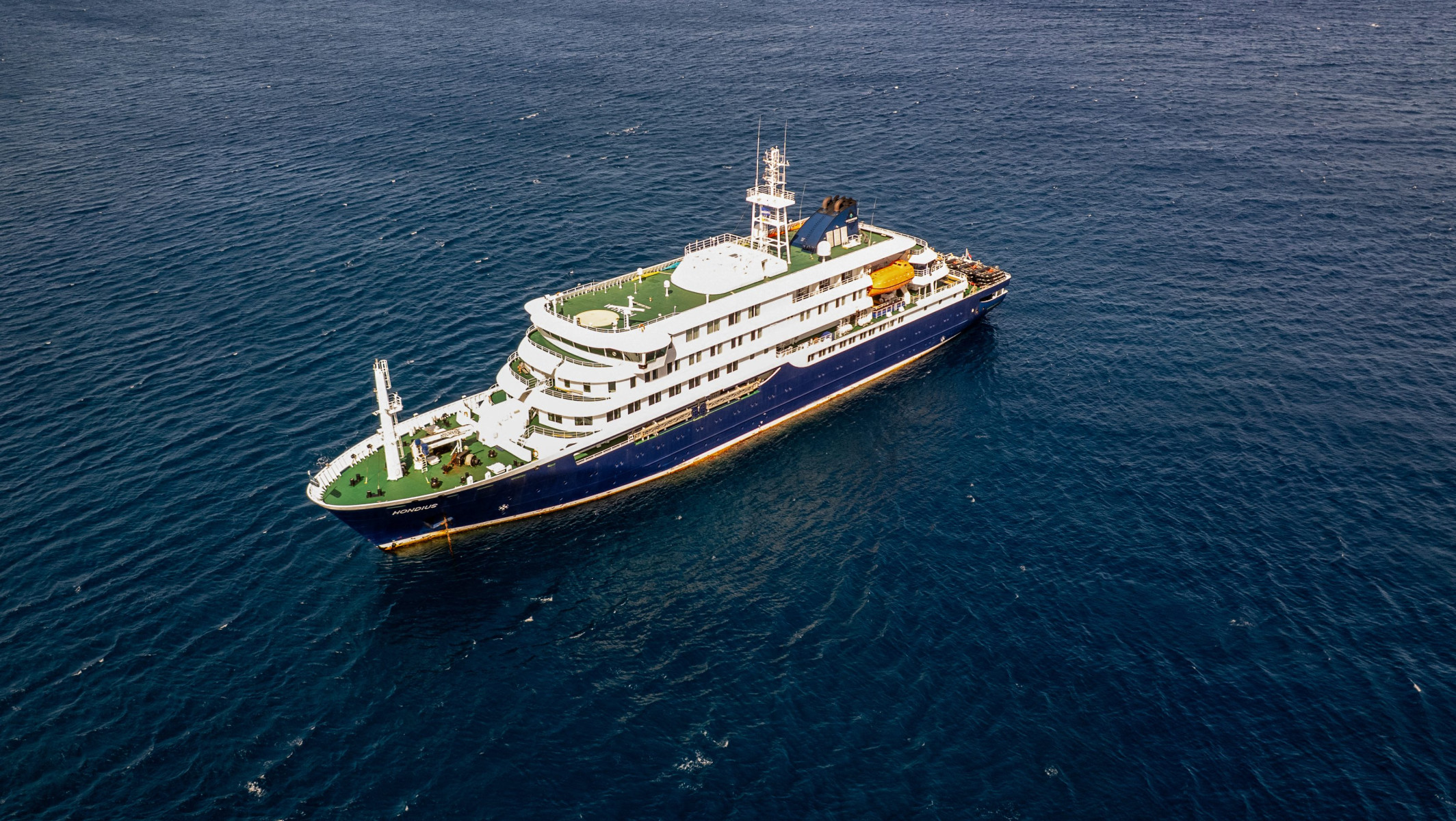
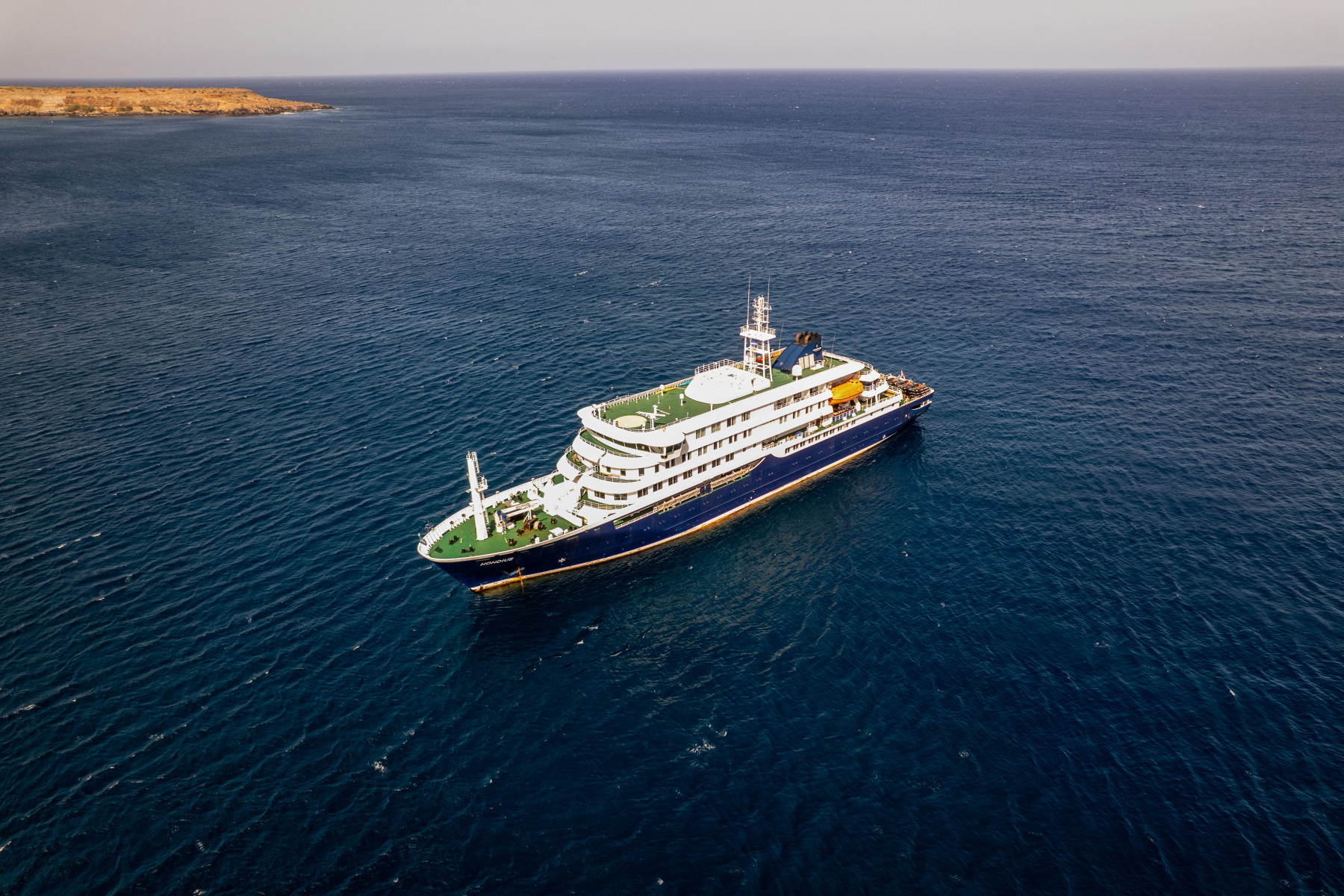
The outbreak occurred aboard the MV Hondius, a polar expedition vessel operated by Oceanwide Expeditions. The ship was crossing the Atlantic Ocean from Argentina towards Cape Verde when passengers began to exhibit symptoms of the illness, with reports emerging on May 3.
Health authorities, including WHO, initiated an investigation, coordinating medical evacuations and testing to determine the source of the infections.
At least three people died during the outbreak, and several additional suspected or confirmed cases were reported among the passengers
Here’s what you need to know about the disease, treatment options, and what exactly happened aboard the cruise ship in May 2026.
Hantavirus is a rare, potentially life-threatening virus that is primarily transmitted through contact with the urine, feces, or saliva of infected rodents, according to the World Health Organization (WHO) and the Centers for Disease Control and Prevention (CDC). In humans, it can cause severe illnesses, including hantavirus pulmonary syndrome, which often begins with flu-like symptoms before escalating into serious respiratory problems.
Although hantavirus cases are rare, the disease can quickly become severe.
— World Health Organization (WHO) (@WHO) May 3, 2026
Health experts note that human-to-human transmission of hantavirus is extremely rare, and most infections occur due to environmental exposure related to rodents and their biological fluids.
However, one type of hantavirus, known as the Andes virus, can be transmitted from person to person, but this occurs infrequently. This virus is primarily found in Chile and Argentina, from where the cruise ship departed.
Currently, there is no specific medication or antiviral treatment for hantavirus. Medical care typically focuses on supportive treatment, such as oxygen therapy or intensive care for severe cases.
Early detection of the virus is crucial. Patients who receive timely medical attention—especially before the onset of severe respiratory symptoms—usually recover. Nevertheless, the virus can be fatal in some cases, and certain strains have high mortality rates.
The outbreak occurred aboard the MV Hondius, a polar expedition vessel operated by Oceanwide Expeditions. The ship was crossing the Atlantic Ocean from Argentina towards Cape Verde when passengers began to exhibit symptoms of the illness, with reports emerging on May 3.
Health authorities, including WHO, initiated an investigation, coordinating medical evacuations and testing to determine the source of the infections.
At least three people died during the outbreak, and several additional suspected or confirmed cases were reported among the passengers
© Puhova Marina